The best AI voice agent for your business is the one that handles your most common calls start to finish, hands the rest to a person cleanly, and writes what happened into the systems you already use. You find it by testing your finalists on recordings and scripts of your own calls before you sign anything. A smooth voice in a vendor demo tells you very little about how the agent handles a caller who interrupts, changes their mind, or asks something your website never answers.
TL;DR
- Sort 20 to 30 real calls by type before you talk to any vendor.
- Run every finalist through the same scenarios, messy calls included.
- Score the handoff and what lands in your systems, not only the voice.
What should you gather before you compare voice agents?
Your own calls. Pull 20 to 30 recent ones, from recordings if you have them or from notes if you don't, and sort them by what the caller wanted: booking, rescheduling, pricing, a status check, a complaint, a wrong number.
For each type, write one line on what a good outcome looks like. "Appointment booked with name, address and reason" is testable. "Caller is happy" isn't. Then mark which types should always reach a person.
Before you use recordings, check the rules where you and your callers are. In many places one party's consent is enough to record a call, but not everywhere, and when the people on a call are in different places the safer course is consent from everyone. A short notice at the start of the call covers the agent's recordings too.
This list does double duty. It becomes your test plan, and it tells you whether a voice agent fits at all. If most of your calls are custom conversations, an answering service might be the better buy.
How do you test a voice agent on your own calls?
Turn each call type into a short script: who's calling, what they want, and one complication. Then run every finalist through the same set, more than once, because the same agent can handle a call well on one try and stumble on the next.
Include the calls that go wrong in real life:
- A caller who interrupts halfway through the agent's answer.
- A phone number or address read out fast, with a correction.
- A question your business information doesn't cover.
- Someone who asks for a person in the first ten seconds.
- An upset customer with a problem from last week.
Some platforms build this kind of testing in. Retell, for example, lets you save scenarios as graded test cases and run them one at a time or as a batch, and its documentation recommends placing a real phone call to check transfers and carrier audio before going live. Ask each vendor how you'd run your scenarios on their platform. If the answer is "watch the demo," call the test number yourself and work through your list.
What should you score besides how natural it sounds?
Voice quality is the easiest thing to judge and the least likely to decide whether the agent pays off. Score each test call on:
- Finished the job. The booking was made, or every detail you need was captured.
- Stayed accurate. It answered from your information and said so when it didn't know, instead of guessing.
- Handed off well. The transfer or message reached the right person with a summary they could act on.
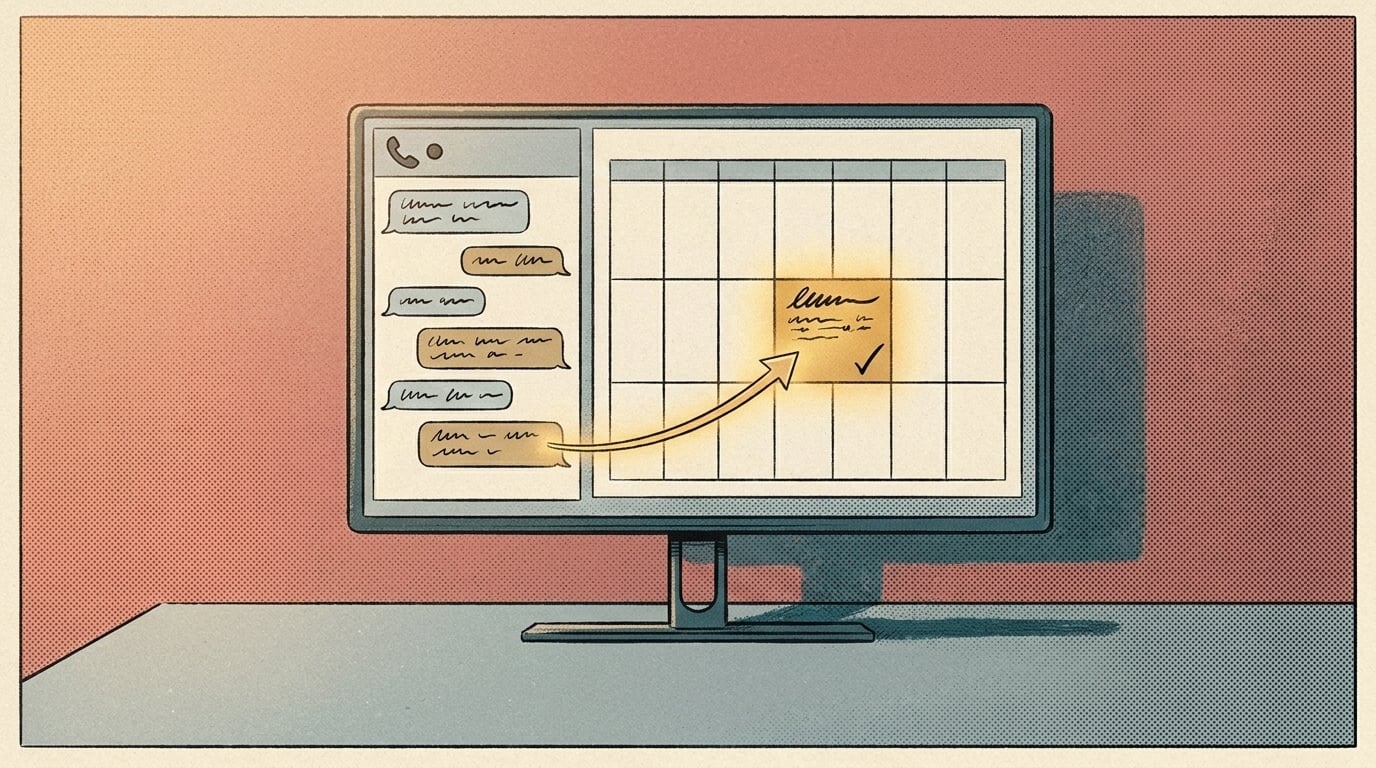
- Wrote it down. The call result landed in your calendar, CRM or job list without anyone retyping it.
- Cost per call. If a platform bills by the minute, a slow, rambling agent costs more. How voice agent pricing works covers the math.
Some questions depend on more than the agent. It can't tell a caller whether their job is finished unless there's a status system behind it that your team keeps up to date. If that system doesn't exist, plan for the agent to take a message on those calls.
How should the handoff to a person work?
Decide the rules before launch, not after the first complaint. Which call types transfer right away, who they go to during business hours, and what happens after hours. The caller should be able to reach a person at any point by asking.
Every handoff should carry a short summary: who called, what they wanted, and what the agent already did. A transfer that makes the caller repeat everything wastes their time and yours. Where a customer service agent should hand off goes further into those rules.
When is a voice agent the wrong buy?
When your call volume is low, when nearly every call needs judgment, or when the systems the agent would write into don't exist yet. In those cases, fix the systems first or start with a simpler option, such as an AI receptionist that takes messages and books appointments.
If you'd like a second set of eyes on your call list or your test results, AI Marketing Labs' consulting covers anything from one question to a full evaluation of your shortlist.
Related articles
Frequently asked questions
How long should a voice agent trial last?
Long enough to run every scenario on your list several times and then take a week of real calls with a person reviewing each one. Ask for a trial or a short first contract that covers both.
Should callers be told they're talking to an AI?
Yes. Say it in the greeting and offer a person on request. It sets expectations from the first sentence and saves an awkward moment if they ask.
Can one voice agent handle both incoming and outgoing calls?
Some platforms do both, but test them separately. Outgoing calls such as reminders and follow-ups have their own scripts, rules and failure points.