An AI customer service agent is only as good as the records it answers from. Point it at the repeat questions those records cover, like hours, policies, where an order stands, and how to book, and have it hand anything upset, unusual, or involving money to a person. Then plan on keeping those records current, because the agent repeats whatever they say.
TL;DR
- Scope the agent to questions your written records answer, and nothing more.
- You own what it tells customers, mistakes included.
- Build the hand-off to a person before you build the answers.
Which questions can an AI customer service agent handle well?
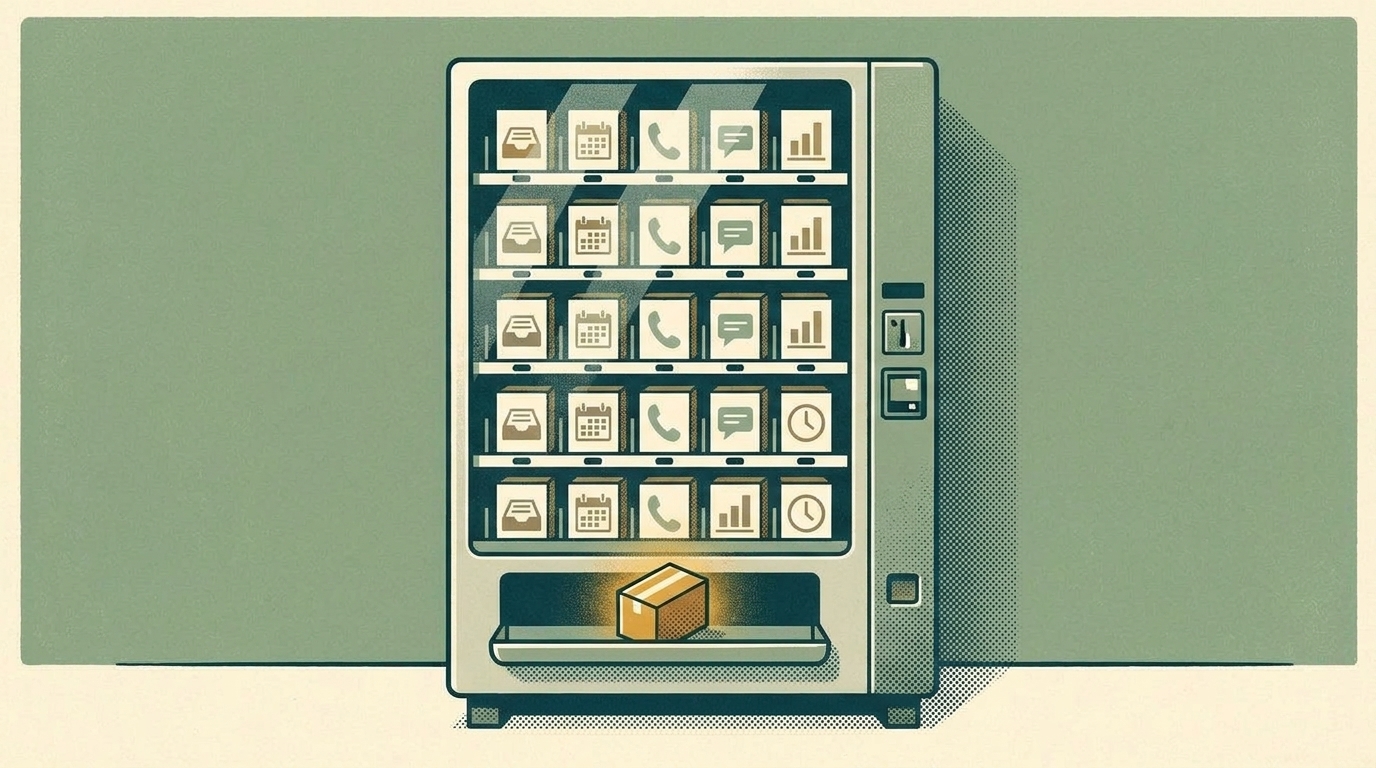
The ones you answer the same way every week, from something written down. Business hours and service areas. Return, warranty, and cancellation policies. What a service includes. Where an order or a job stands. How to book or reschedule. Customer questions like these are one of the jobs AI agents can run in a small business right now.
A quick test: could a new hire answer it correctly on day one with access to your files? If yes, an agent can too. If the right answer depends on who's asking, what happened last time, or a judgment call, it isn't a job for the agent yet. Gartner's customer service research makes the same split, noting that AI "often struggles with exceptions and high-risk scenarios."
Why do status answers depend on your team?
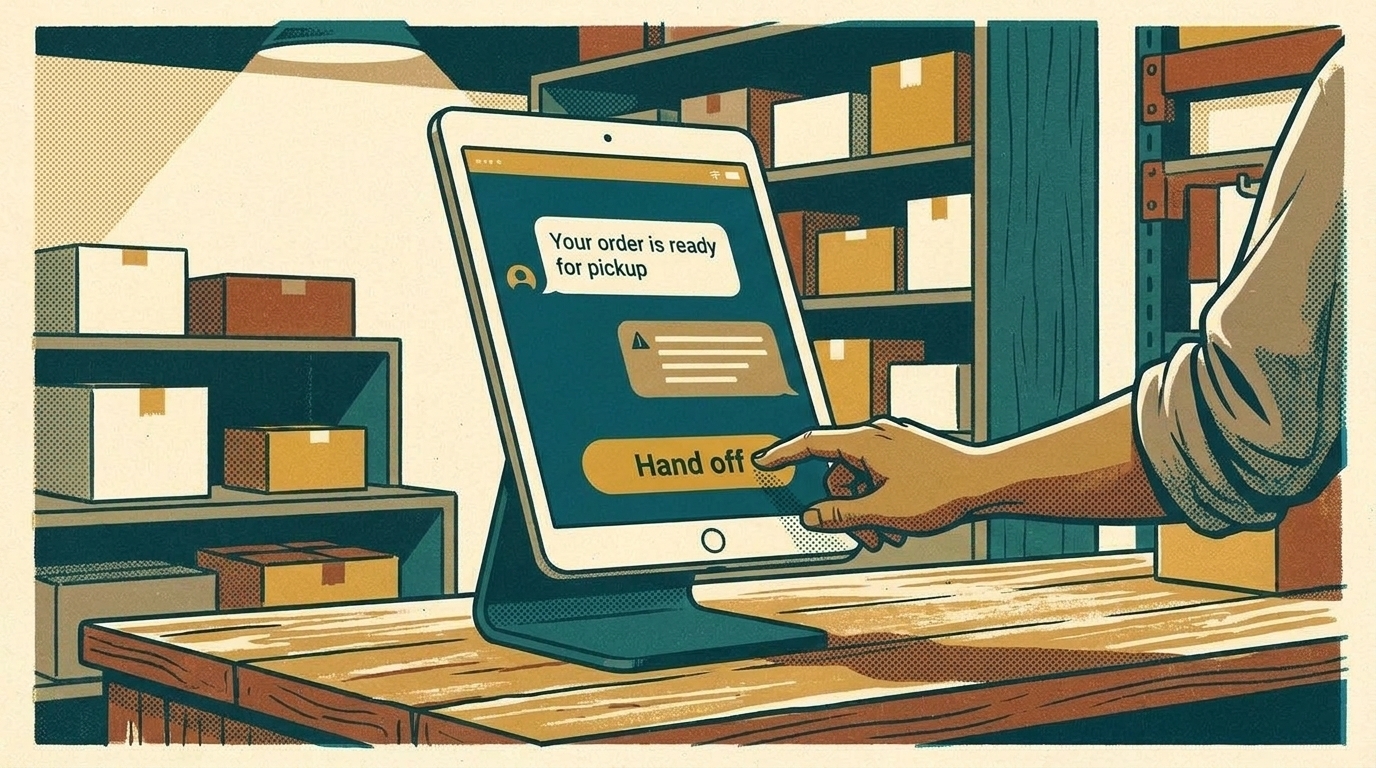
An agent can't tell a customer their order is ready unless the system it reads says so, and that system only knows what your people entered. If a job wraps up at 3 p.m. and nobody updates the record until the next morning, the agent will tell every customer who asks that evening that it's still in progress. Before you let an agent answer "where's my order?", check how current that field is right now. If it lags, fix the habit first. No AI fixes that for you.
The same goes for policies and how-to answers. AI Marketing Labs' RAG System is built on that rule: it turns scattered documents into a private system your team can ask in plain English, every answer links to where it came from, and when the answer isn't in your data it says so instead of making something up. Get your own answers in order like that before a customer-facing agent leans on them.
When should the agent hand the conversation to a person?
- The customer is upset, or says the agent isn't helping.
- The question involves money: refunds, billing disputes, price exceptions, payment changes.
- The request is unusual or doesn't match anything in your records.
- The agent isn't confident in its answer.
- The customer asks for a person. Once is enough.
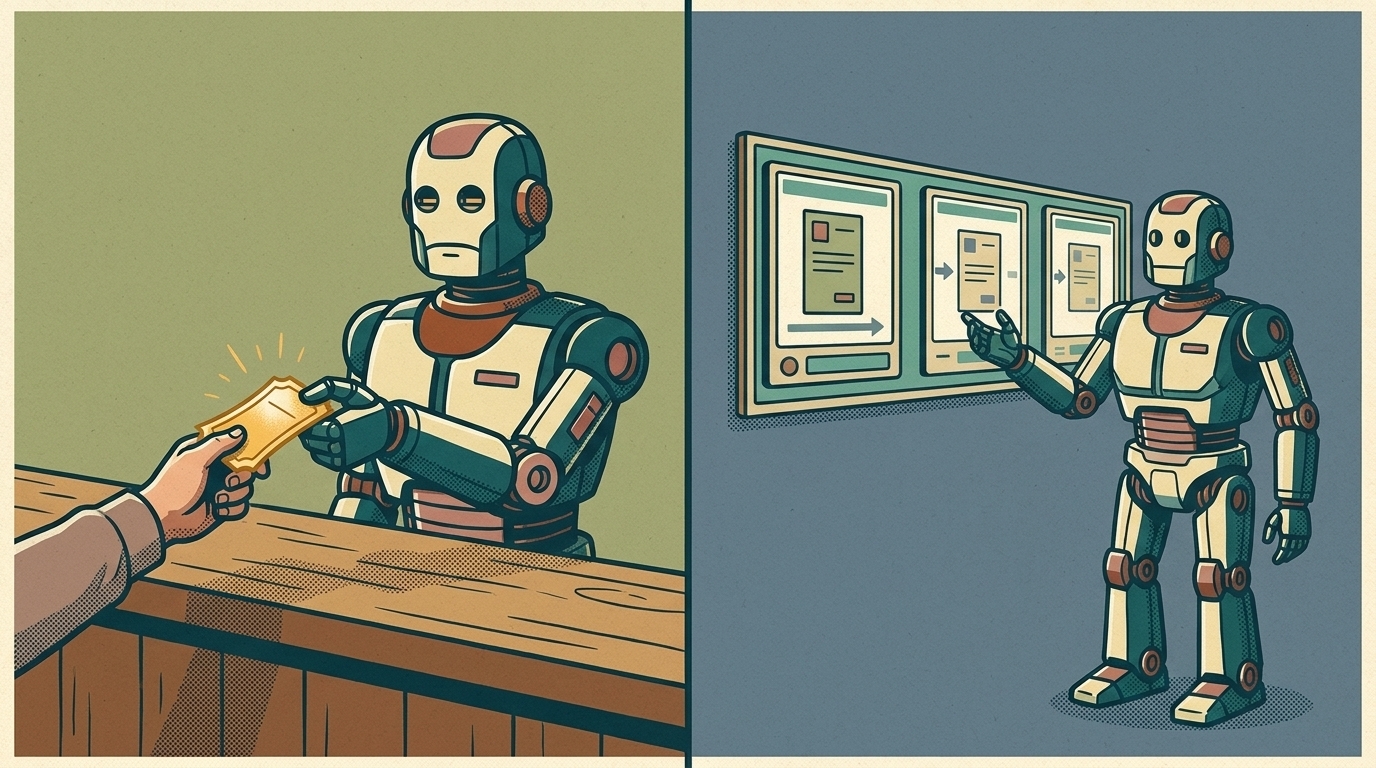
Gartner's advice after its 2026 customer survey: if the chatbot "cannot resolve an issue with high confidence, it should provide a visible path to a human agent and pass along the information and context already collected." The second half matters as much as the first. A hand-off that makes the customer explain everything again feels worse than no bot at all.
Who is responsible when the agent gets it wrong?
You are. In 2024 a Canadian tribunal ruled against Air Canada after its website chatbot told a customer they could apply for a bereavement fare after traveling, which contradicted the airline's own policy. Air Canada argued the chatbot was a separate legal entity responsible for its own actions. The tribunal member disagreed: "It should be obvious to Air Canada that it is responsible for all the information on its website. It makes no difference whether the information comes from a static page or a chatbot." The airline was ordered to pay the customer $812.
One small-claims case in one country isn't a rule everywhere, and this isn't legal advice. It's still the right assumption to plan around: whatever the agent tells a customer, you said.
How do you start without annoying customers?
Start small, and let customers see the way out. People who have one bad bot experience are slow to come back. Gartner's 2026 survey of 3,566 customers found that only 27 percent would be willing to try a chatbot again after a negative experience, and 87 percent said access to a human agent is essential when companies use generative AI in service.
So launch on one channel, web chat or email, covering the five or ten questions you get most, with the hand-off working from day one. Read every conversation for the first couple of weeks. Add a new kind of question only after you've seen it handle the current ones well. The same step-by-step trust applies to any agent; there's more on that in how much an autonomous AI agent should do without you.
Frequently asked questions
Is an AI customer service agent the same as a chatbot?
Older chatbots follow a script and match keywords. An AI agent reads the question in plain language and can look things up in your systems to answer. Either way, it should stick to what your records say.
Can an AI customer service agent issue refunds?
It can be connected to do that. We'd keep a person on anything that moves money until you've watched the agent handle the easy cases for a good while.
Should customers know they're talking to AI?
Tell them up front and show them how to reach a person. It sets the right expectation and makes the hand-off feel like part of the service rather than a failure.