AI training for employees who don't trust AI yet starts with their worry, not the features. Show one task it handles well on their own work, say plainly what it won't replace, and let them check its output before anyone relies on it. Trust comes from watching it work, and from watching it get caught when it doesn't, not from a slide about productivity.
TL;DR
- Start with one task from their own job, not a tour of features.
- Say what it won't do, and keep a person checking.
- Make it safe to say "this got it wrong."
Why are so many employees wary of AI?
Because worry outweighs hope for a lot of workers. In Pew Research Center's survey of US workers, published in February 2025, 52% said they're worried about the future impact of AI use in the workplace, against 36% who felt hopeful, and a third said they feel overwhelmed. Globally, trust is thin too: the 2025 KPMG and University of Melbourne study found only 46% of people are willing to trust AI systems.
Those aren't irrational positions. People worry about their jobs, about being blamed for an AI mistake, about looking slow next to a colleague, and about what happens to the data they type in. Training that skips those questions doesn't land.
Why does typical AI training miss them?
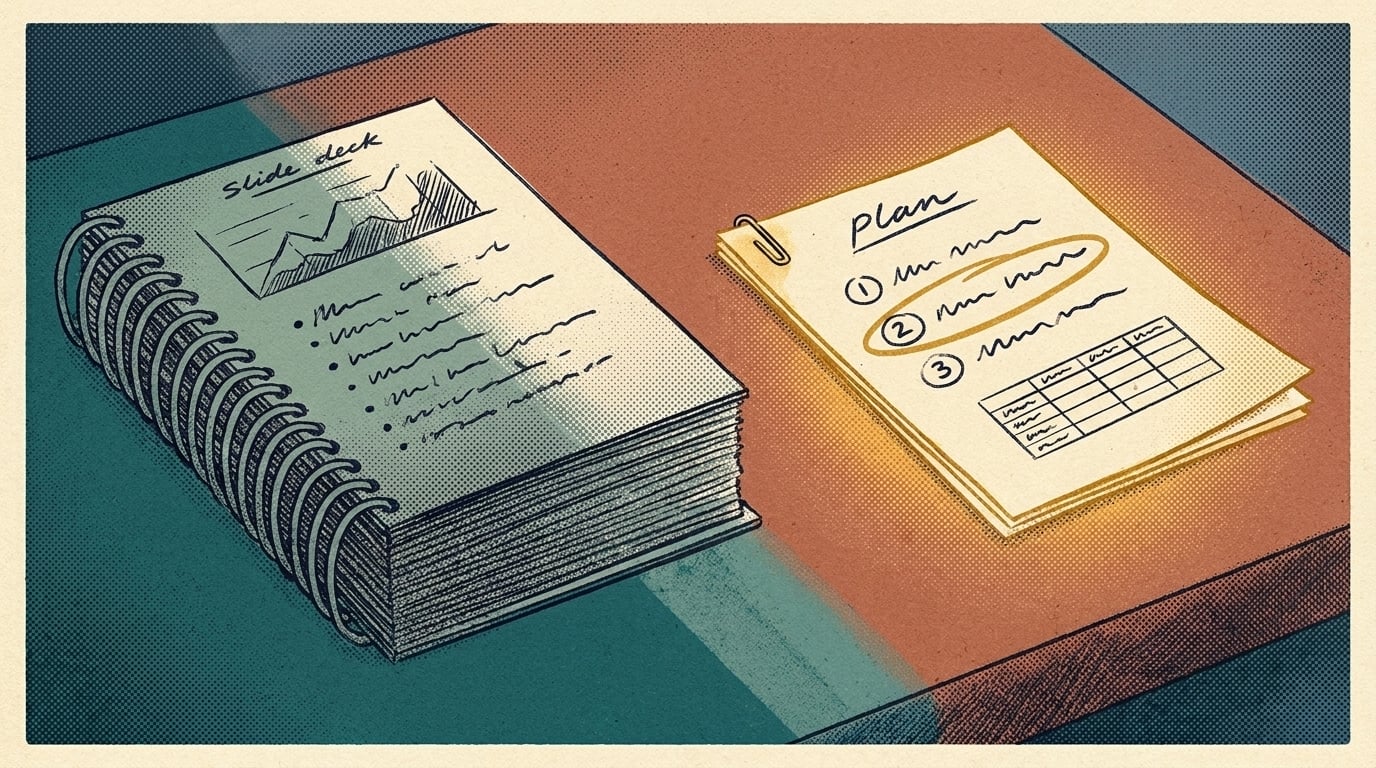
It shows features instead of their work. A tour of what a tool can do, with generic examples, leaves a skeptical person exactly where they started, plus one more thing to feel behind on. Many people never get training at all. Microsoft and LinkedIn's 2024 Work Trend Index found only 39% of users have received AI training from their company, and 78% of AI users were bringing their own tools to work.
Some don't even know where their employer stands. When Gallup asked US workers in 2025 whether their organization had integrated AI, 23% said they didn't know. It's hard to trust something nobody has explained.
How do you start with their worry?
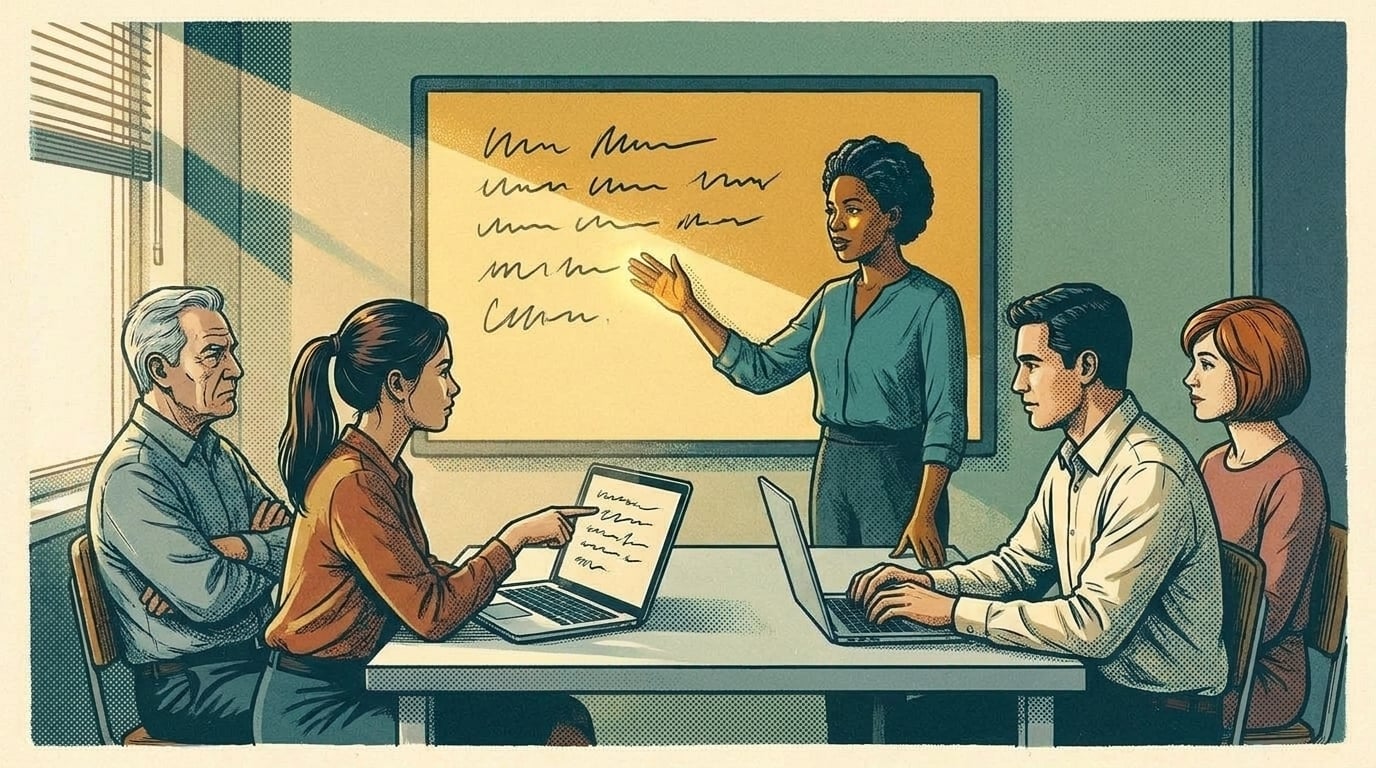
Ask. One-on-one or in a small group, ask what worries them about AI in their job, and answer each one plainly. If the plan is to free up their time for other work, say what that work is. If nobody's role is being cut, say so. If you don't know yet, say that too. A vague reassurance does more damage than an honest "we haven't decided."
Then set the ground rules: which tools are approved, what data stays out, and that a person checks anything AI writes before it goes to a customer.
What does a first session look like?
- They bring one task from their own week, with three or four real examples.
- You run it together, side by side, and put the AI's output next to what they would have written.
- They judge it. Where it's wrong, they say why, and that becomes an instruction.
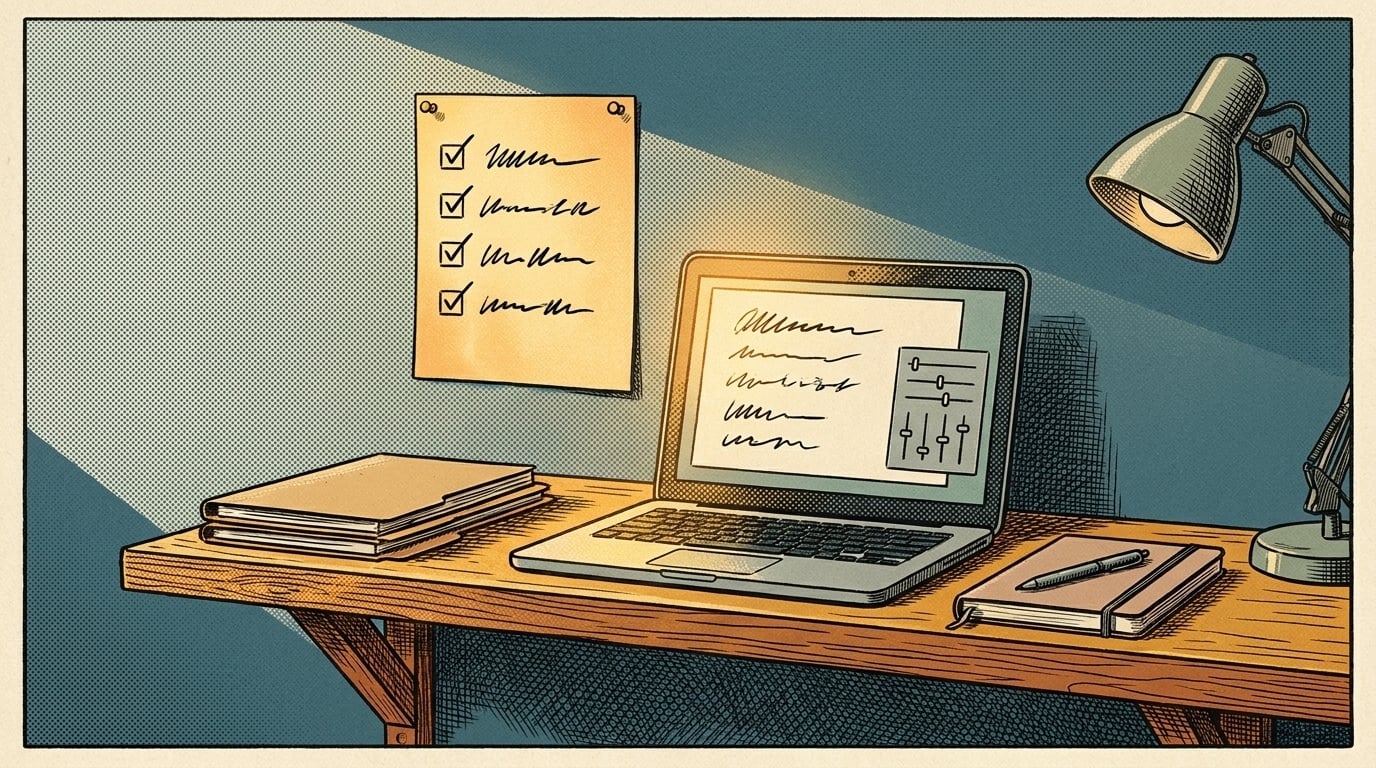
- They leave with the saved instructions and the task still in their hands.
Keep it to one task. A skeptic who sees it save twenty minutes on something they dislike doing is further along than one who watched an hour of features.
What if the worry is really about their job?
Then training won't fix it, and pretending otherwise burns trust. Be specific about what changes. If AI takes the first draft of a weekly report off someone's plate, say what they'll do with that time, and mean it. If you don't know yet, say that, and say when you'll know. People can work with an honest "we're still deciding." They can't work with a cheerful message that turns out to be wrong.
It also helps to let the worried person shape how it's used in their role. They know which parts of the job a machine shouldn't touch, and which parts they'd happily hand over. Ask them both questions, and build the first session around the second answer.
Why should checking be the main skill you teach?
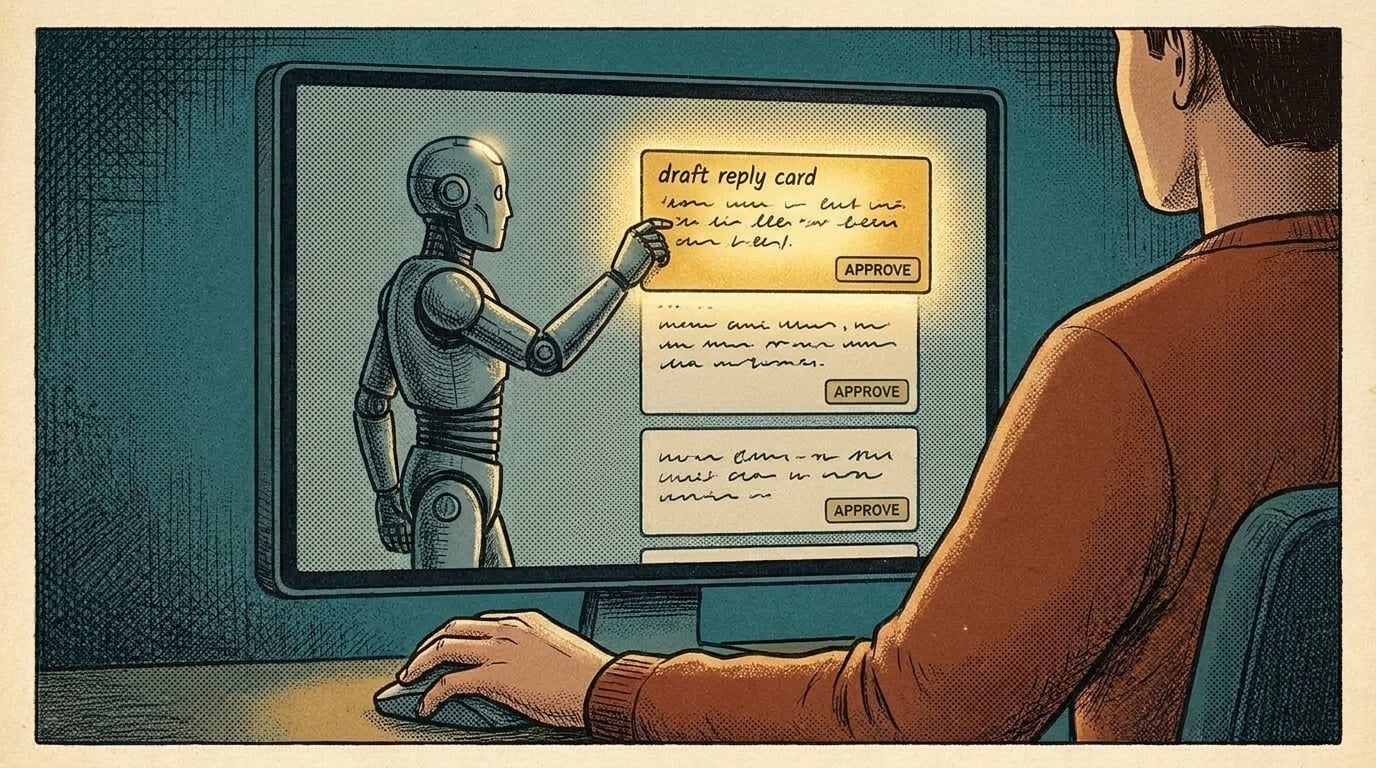
Because the bigger risk is the opposite of distrust. The same KPMG study found that 66% rely on AI output without evaluating accuracy. Your wary employee can be the one who catches a confident wrong answer. Teach checking as the skill, praise the catches, and the skeptic becomes your quality control.
How do you know the training worked?
Not by attendance. Look at whether the person uses it on the task you practiced, a week and a month later, without being reminded. Ask them how much time it saves and where it still gets things wrong. Their answer to the second question tells you more than the first: someone who can name its weak spots is using it with judgment.
How do you keep it going after the first session?
Add one task at a time, chosen by them. Set a short check-in after a couple of weeks to fix what isn't working. Let people share the instructions that work for them, so the team builds on each other instead of starting from scratch. And keep the door open for "this doesn't help with my job." Sometimes that's true, and saying so builds more trust than pushing.
What should managers avoid?
- Counting AI usage as a performance measure.
- Rolling out a tool by announcement, with no time set aside to learn it.
- Using the first mistake as proof it was a bad idea, in either direction.
- Asking people to train the tool without telling them why.
How do you get the whole team using it?
One person at a time, on their own tasks, until the new way is faster than the old one. That's the approach in getting a team using AI every day. AI Marketing Labs consulting can include this: Rick Kranz works with your team on the tasks they actually handle, demonstrating as they go so it sticks after he leaves. For what that work should leave behind, see what a good AI consultant should leave you with.
Related articles
Frequently asked questions
Should AI training for employees be mandatory?
Make the basics mandatory: the approved tools, what data stays out, and the review step. Make everything beyond that practical and tied to their own work, so it doesn't feel like a box to tick.
What if someone still refuses to use AI?
Find out why. If it's a task where AI doesn't help, they may be right. If it's fear, give them the checking role first; reviewing AI output is a low-pressure way in.
Who should run AI training in a small business?
Someone who knows the work, ideally alongside someone who knows the tools. Training from a person who does the same job carries more weight with a skeptic than training from a vendor.