An AI agent consultant is worth paying for when the agent has to work across several of your systems, handle exceptions, or act without someone checking each step. A simple agent that lives inside one tool, on a task with rules you could write down, is a reasonable first build to try yourself. The parts worth paying for are the connections, the testing on real cases, and deciding what the agent may do on its own.
TL;DR
- One tool, clear rules, a person checking: try it yourself first.
- Several systems, exceptions, or nobody watching: that's where help pays.
- Ask whether a simpler workflow would do before paying for an agent.
Do you need an agent, or a simpler workflow?
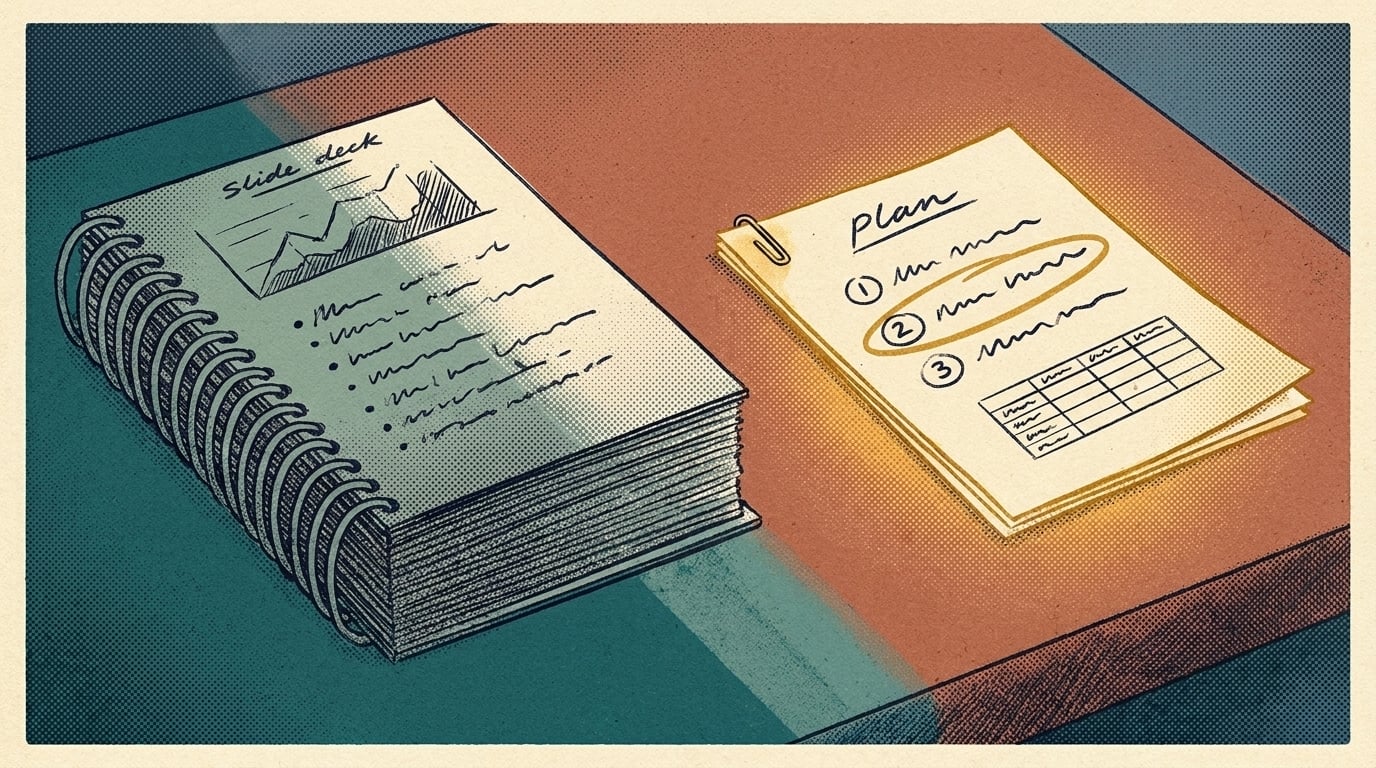
Ask this first, because the answer changes the price. A workflow follows steps you set in advance. An agent decides its own next step. Anthropic's guidance for builders puts the trade-off plainly: workflows "offer predictability and consistency for well-defined tasks," while the autonomy of agents brings "higher costs, and the potential for compounding errors."
Agents are spreading fast at larger companies. In PwC's May 2025 survey of US senior executives, 79% said AI agents are already being adopted in their companies. That says nothing about whether your task needs one. A good consultant will tell you when a fixed workflow does the job for less. If you want a sense of what's realistic now, here's what AI agents for business can actually run.
When can you build an agent yourself?
- It works inside one tool you already use, like your email or your CRM.
- You could write the rules on one page.
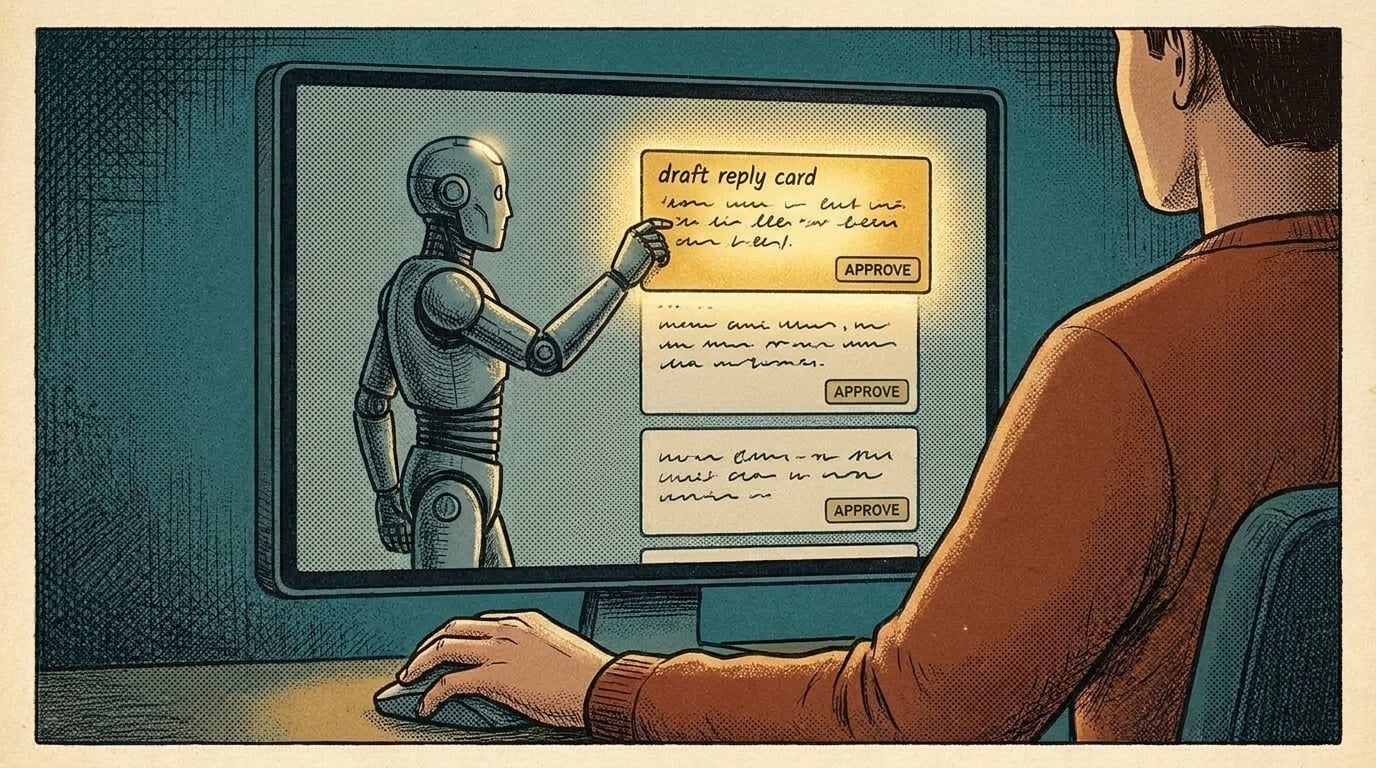
- A person reads its output before anything goes to a customer.
- A mistake is cheap to spot and cheap to fix.
That covers more than people expect: sorting an inbox, drafting replies from your own past answers, summarizing call notes into a standard format. OpenAI's practical guide to building agents gives similar advice from the vendor side: "maximize a single agent's capabilities first" before adding more. Building one yourself also teaches you what to ask for if you hire help later.
When is an AI agent consultant worth the fee?
- Several systems. The agent has to read from one tool and write to another, with logins and permissions in each.
- Real exceptions. The task has cases nobody wrote down, and getting them wrong costs money or a customer.
- No one watching. It will send, book or change records on its own, so the rules about what it may do alone matter more than the prompt.
- Sensitive data. It touches client files, payment details or anything you'd be uneasy to see leak.
- You tried and stalled. You built a first version and it breaks on real inputs.
The same OpenAI guide suggests agents fit best where you "prioritize workflows that have previously resisted automation." If simple automation already handles the task, an agent is extra cost.
What should the consultant do before building anything?
Watch the task done by the person who does it, and collect real examples, including the awkward ones. Then write down three things with you: what the agent may do on its own, what needs a person's approval, and how you'll know when it's wrong. Only after that should anyone pick a platform. For how to compare the options once you're there, see how to judge AI agents before you pay.
Ask for the first version to run alongside your team for a while, with every action reviewed, before it acts alone. That's where the exceptions show up.
What should the first version be allowed to do?
Less than you'll eventually want. Start it on reading and drafting: it can look things up, prepare a reply or fill in a form, and a person approves before anything is sent or changed. Give it access only to the systems and fields the task needs, not a whole account. Make sure every action it takes is logged somewhere you can read, and that someone on your side knows how to switch it off.
Then loosen it one step at a time. Once it has handled a few weeks of real work correctly, let it act alone on the simplest cases and keep the review for the rest. That staged approach costs a little speed at the start and saves you from finding a problem in front of a customer.
What does an agent cost after it's built?
More than the build if nobody plans for it. Each run uses the AI model, and an agent that takes several steps per task uses more than a single prompt would. Connected tools may need paid plans. Someone has to review its work, at least at first, and fix it when an app it relies on changes. Ask for a monthly running cost before you approve the build, and how that number moves if volume doubles.
What should you ask an AI agent consultant?
- Would a fixed workflow do this job? If not, why not?
- What will it be allowed to do without asking a person?
- How will we know when it gets something wrong?
- Whose accounts will it run on, and who can switch it off?
- What will it cost each month to run, and to maintain?
Write the answers into the scope, so they're part of what you're paying for. The first answer tells you the most. Someone who never suggests the simpler option may be selling agents, not solving your problem.
Who can help you build one?
AI Marketing Labs offers consulting as one-on-one work with Rick Kranz. If you have an idea for an agent, you work out together what it needs to do and how to build it; Rick guides the parts you can't do alone and stays out of the parts you can. If you started one and got stuck, bring what you have. For what that help should leave behind, see what a good AI consultant should leave you with.
Related articles
Frequently asked questions
Is an AI agent consultant the same as an AI developer?
Not quite. A consultant helps decide whether you need an agent, what it should do, and what it may do alone, and may build it with you. A developer builds to a plan that's already set.
Do I need to code to build a simple agent myself?
Not always. No-code builders can handle simple agents inside one tool. Once an agent needs several systems or careful permissions, expect some technical work or outside help.
Can an AI agent run without anyone checking it?
Some can, for low-risk tasks, after they've handled real work correctly for a while. Start with a person reviewing every action, then loosen it step by step.