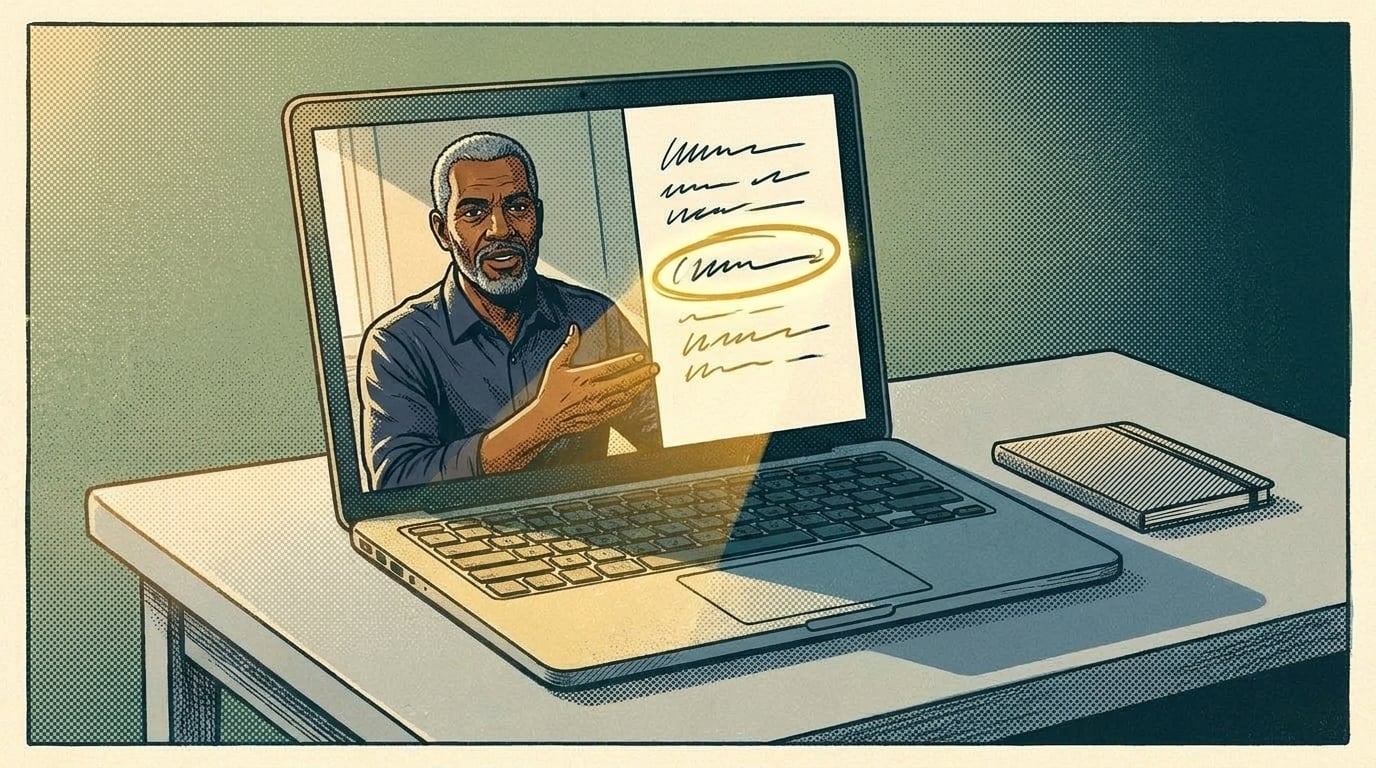
One session of small business AI consulting can get you a clear first project, a straight answer on whether the tools you already pay for fit the work, and a next step you can take on your own. It won't get you a finished build. A session pays off when you bring one task, real examples of it, and a decision you need made.
TL;DR
- A session settles decisions. Builds, data cleanup and team training take longer.
- Good fits: where to start, a stalled build, tools that aren't paying off.
- Judge it by whether you leave with one next step you can act on this week.
What can one session realistically settle?
Decisions. A capable consultant who sees your real work can answer one of these in a sitting:
- Which task to start with, out of the three or four you've been circling.
- Whether the AI tool you're paying for fits the work, or whether to drop it.
- Whether a build that stalled halfway is worth finishing, and what's actually blocking it.
- Whether to buy something off the shelf or build around your own tools.
- What a first version would need: which data, which software, and who would run it.
Notice what those have in common. Each ends in a choice you can act on. A session that ends in "it depends" on all of them didn't settle anything.
Why is the decision so often the real blocker?
Because plenty of small businesses have tried AI and stopped short of using it in the work. In the Federal Reserve's 2026 survey of small employer firms, just 7% of AI users had fully integrated AI into their business. Among firms planning to use it, the top challenges were finding tools that meet their needs (54%) and the time it takes to implement or train people (37%).
A separate 2026 survey of owners in Goldman Sachs' 10,000 Small Businesses program found the same pattern: owners named a lack of technical expertise (49%) and difficulty choosing the right AI tools (48%) as barriers. Those are program alumni, not every small business. Both barriers come down to knowing what to pick and how to set it up, and the first half of that is what a single session is good at.
What can't one session do?
Anything that depends on hours of hands-on work. It can't build a system that connects your inbox to your CRM, clean up a customer list that lives in three places, or get a team using a new process. It can tell you whether those are worth doing and roughly what they involve. If the honest next step is a build, the session's job is to scope it, with a price, before anyone starts.
Be wary of a session that tries to do more. A consultant who starts building before understanding the task is guessing on your time.
Which problems fit a single session?
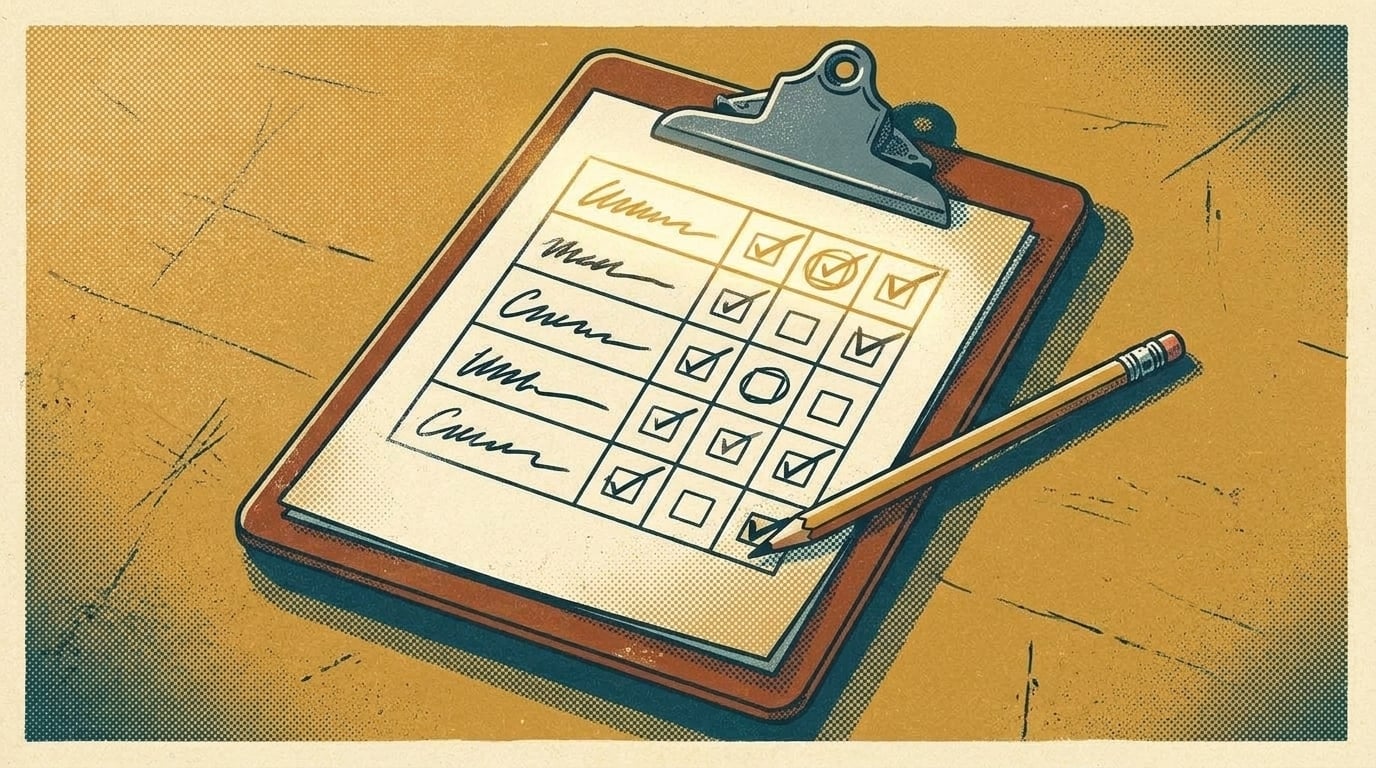
| What you bring | Can one session settle it? | What you should leave with |
|---|
| "I don't know where to start" | Yes | One task to start with, and why that one |
| "We pay for AI tools and don't use them" | Yes, if you show how you use them now | What to keep, what to drop, and what to change |
| "I started building and got stuck" | When it's one roadblock, yes | The fix, or a clear read on why it won't work |
| "Connect AI to our CRM and inbox" | Only the scoping | What it would take, and a scoped next step |
| "Get my team using AI" | It can start it | Which tasks to begin with and who goes first |
How do you get the most out of the hour?
Narrow it to one problem before you show up, send examples ahead if you can, and bring whoever makes the decision. A lot of a session's value is lost when the first half goes to the consultant asking questions you could have answered at your desk. There's a full list of what to bring to a first AI strategy session, from the before number to the examples worth pulling.
One more thing to decide in advance: what would make the hour worth it to you. "I'll know which task to start on" is a good answer. "I'll understand AI better" isn't, because you can't tell at the end whether you got it.
Who should be in the session?
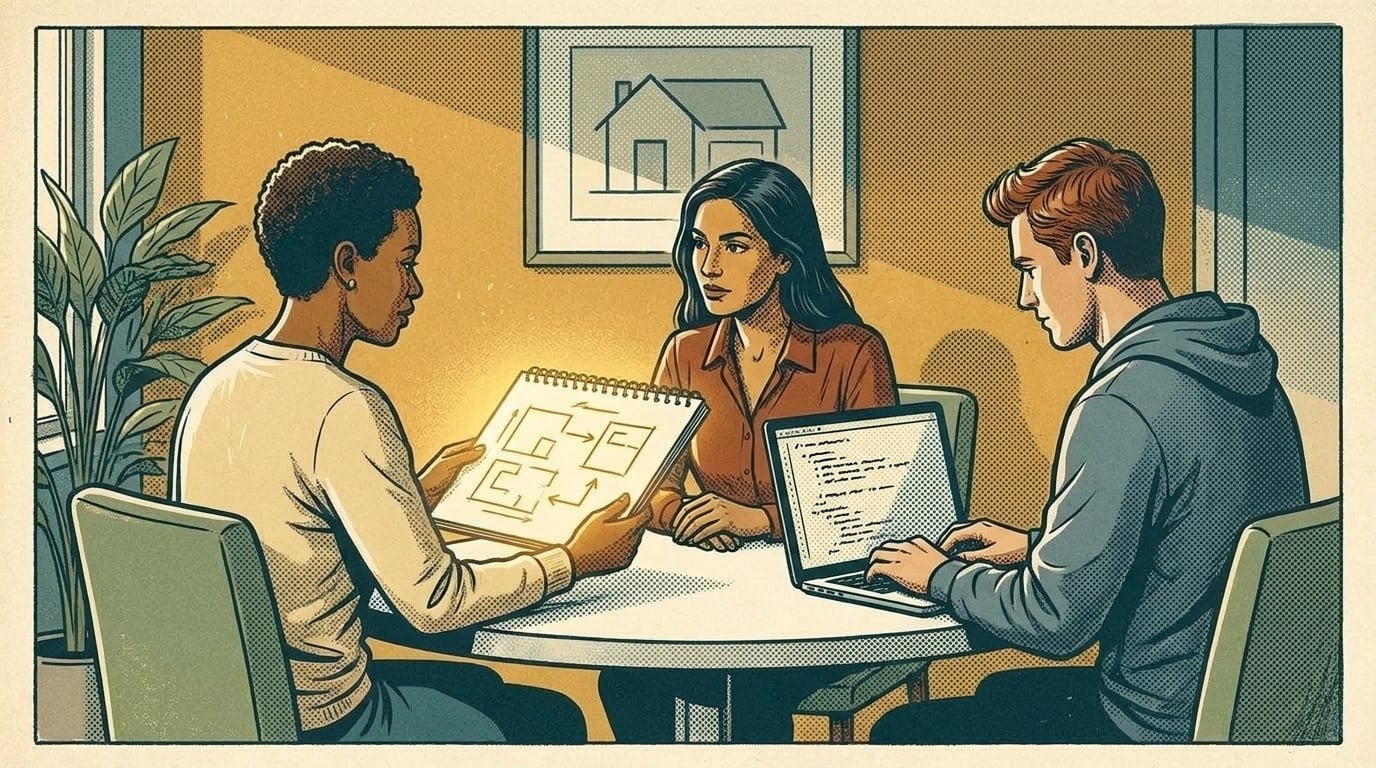
The person who makes the call, and the person who does the task, if that's someone else. The owner can approve a direction; the person who does the work knows where the inputs really live, which exceptions come up every week, and what a good result looks like. Without them, the consultant is working from a description, and descriptions leave out the messy parts that decide whether AI fits.
Keep it small. Two or three people is plenty. A session with the whole team turns into a demo, and decisions get harder to make when everyone has a favorite tool.
How do you know the session was worth it?
Check what you're holding when it ends:
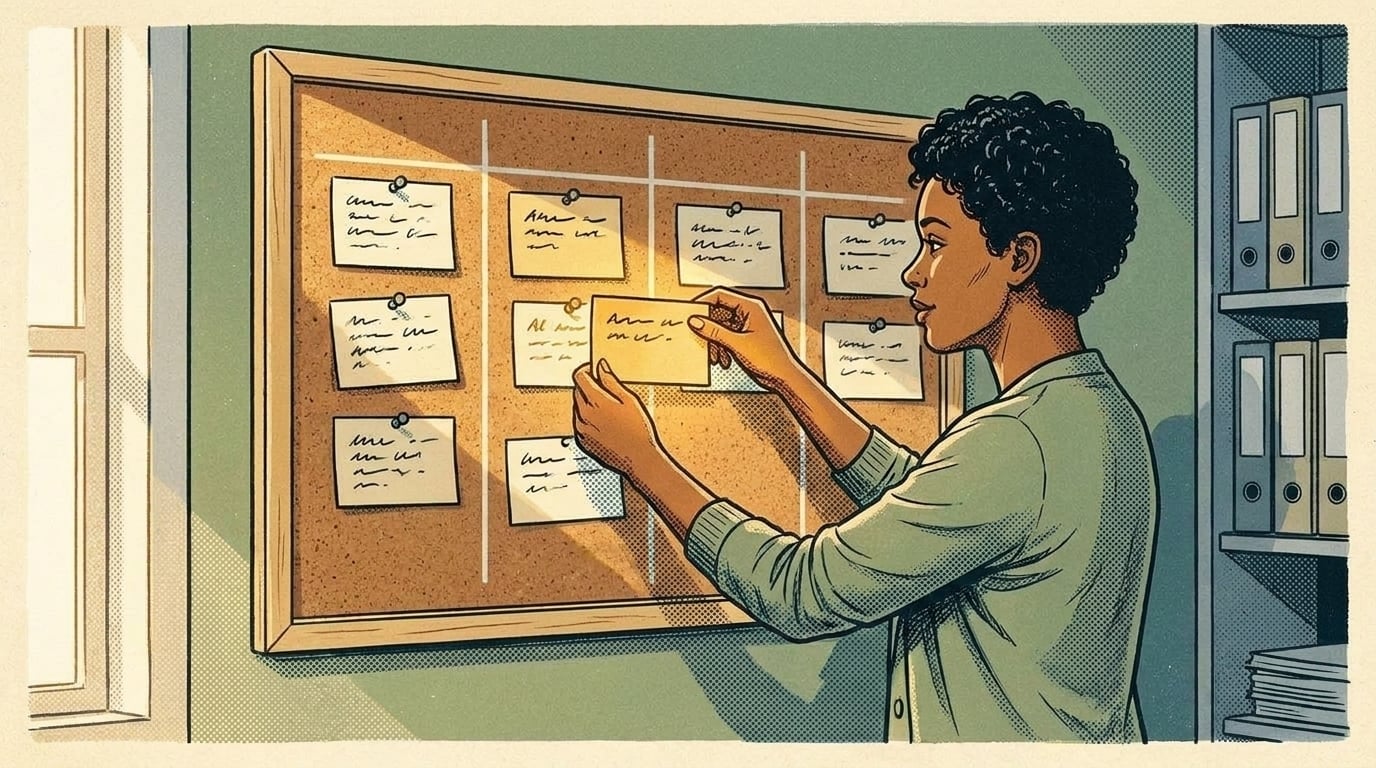
- One named next step, small enough to start this week.
- A straight answer on any tool you asked about.
- The reasoning, in writing or clear enough to repeat to someone else.
- If the next step needs help, a scope and a price, not a vague offer to "keep working together."
The warning signs are just as easy to spot. A general overview of what AI can do, a pitch for a product before anyone looked at your work, or a list of twelve initiatives with no first one picked.
What happens after the session?
One of three things. You do the next step yourself, which is often the right call once the decision is made. You get some practice first, through free workshops or a community where people build on real tasks. Or you agree on a scoped engagement for the part you can't do alone. For what that kind of work should leave behind, see what a good AI consultant should leave you with.
AI Marketing Labs runs consulting as one-on-one work with Rick Kranz on the project that's stalled or the process eating your week. It starts with the problem, and the scope and fee are agreed before any work begins, so a single session can stay a single session.
Related articles
Frequently asked questions
Can a small business AI consulting session be done remotely?
Yes. Screen sharing covers most of it: you show the task, the tools and real examples, and the consultant can test ideas live. Being in the same room matters only when the work happens away from a computer.
Is one session worth paying for if I'm not sure AI fits my business?
It can be, as long as you bring a specific task. Finding out that AI isn't the right fix for it is a useful answer, and cheaper than learning it after a build.
What if I need more help after the first session?
Ask for the next step to be scoped in writing, with what's included and what it costs, before you agree to it. A good consultant will tell you which parts you can do on your own.