What we're learning, shipping, and arguing about.
Field notes from operators building production AI. No takes. No theory. The thing that broke last week and how we fixed it.

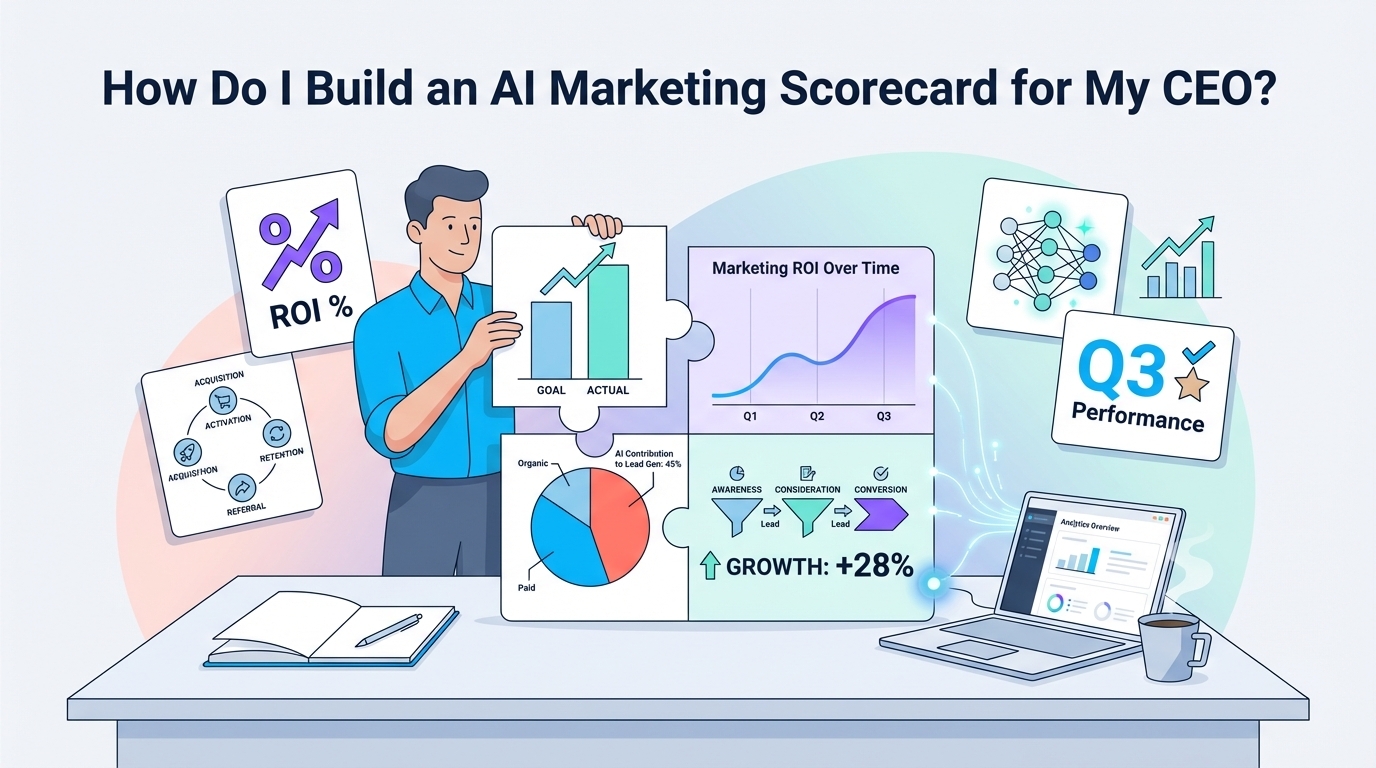
To build an AI marketing scorecard for your CEO, create a one-page document focused on three core pillars: Efficiency, Effectiveness, and Risk. For each ...
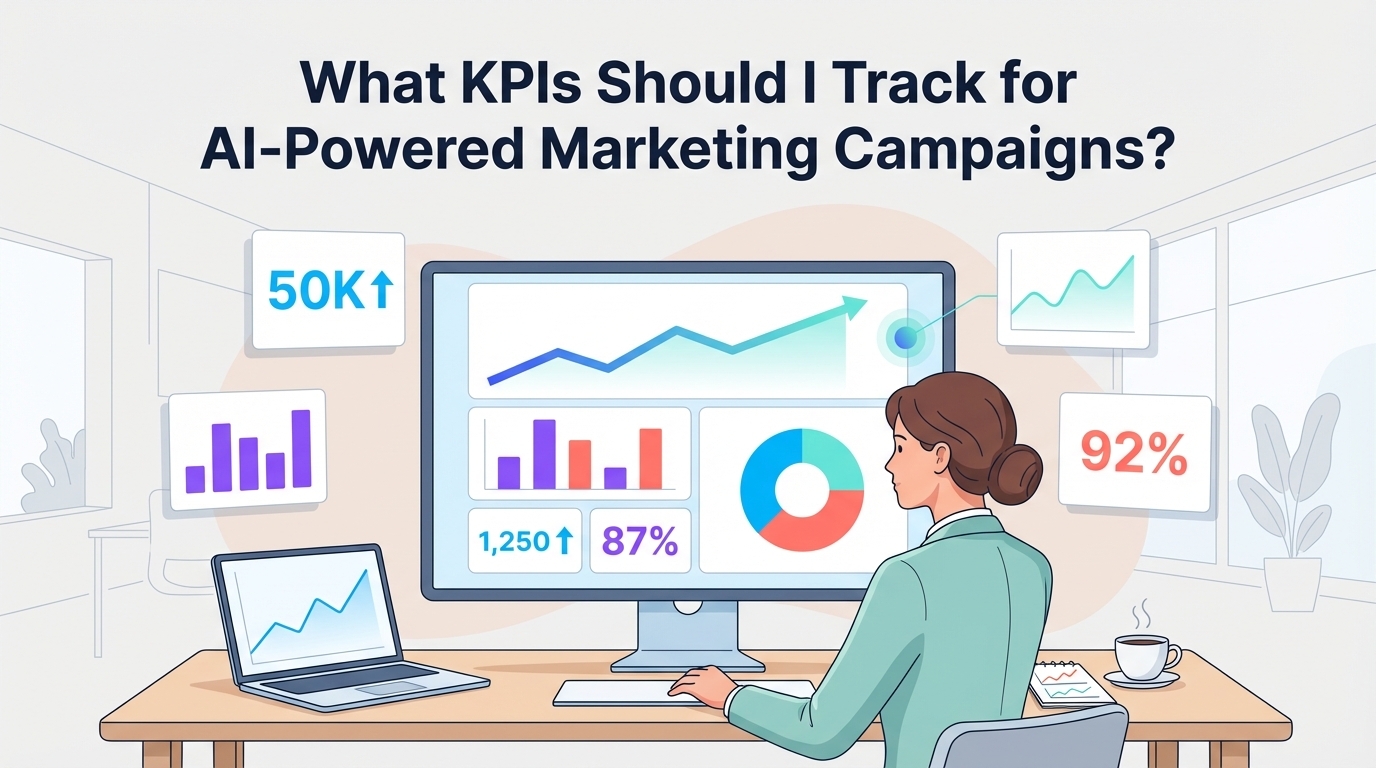
To measure AI-powered marketing effectively, track a blend of efficiency and performance KPIs. Focus on content velocity, time to launch, and cost per asset ...
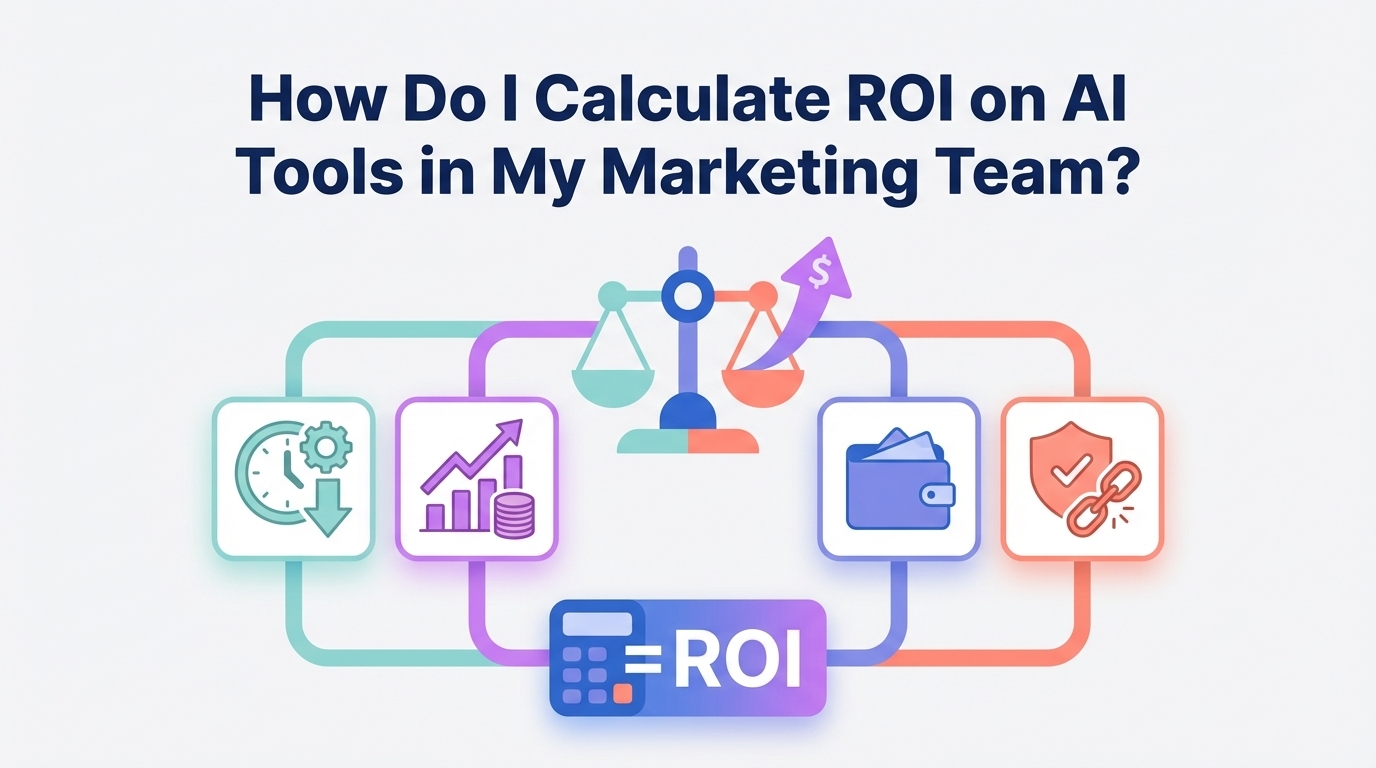
To calculate the ROI of AI marketing tools, you must tie their use to measurable business outcomes. The most direct method is to quantify time saved, revenue ...
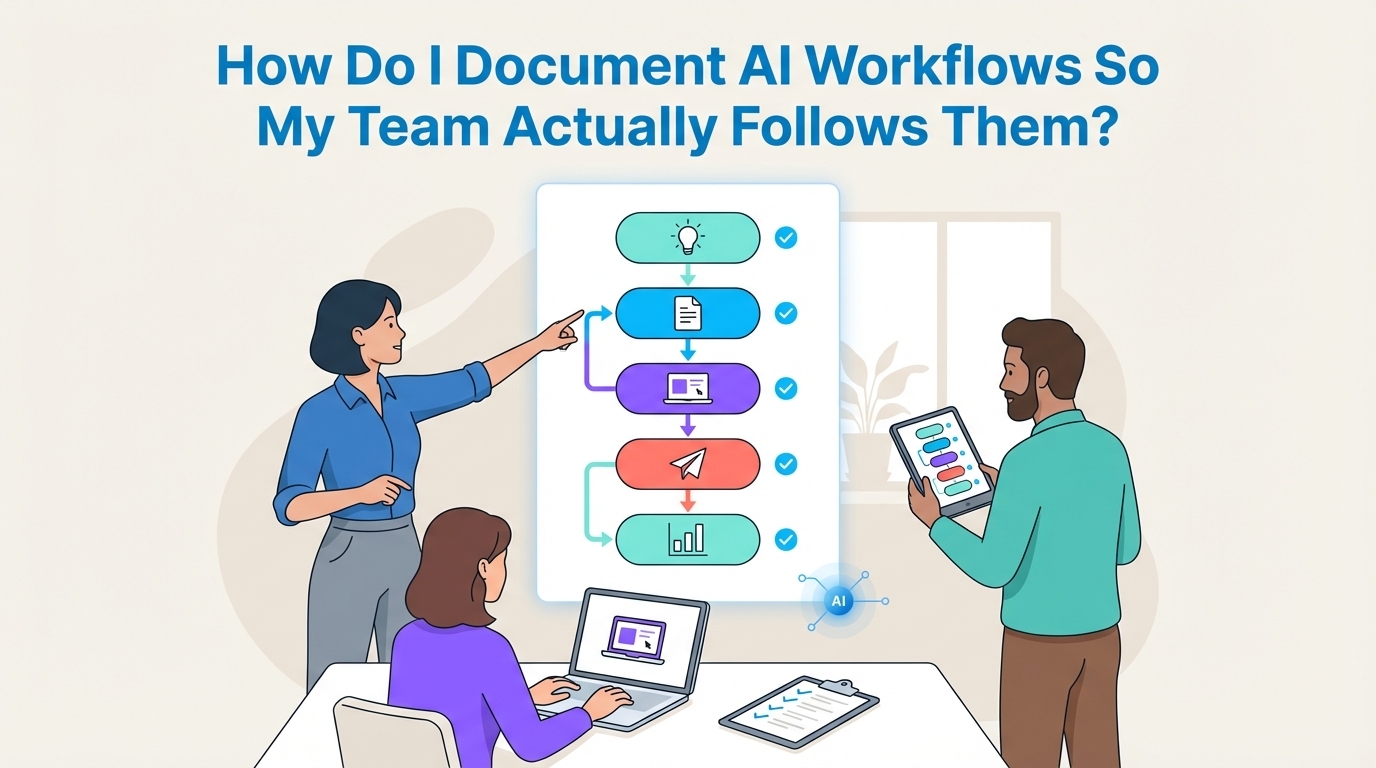
To create AI workflow documentation that your team will use, standardize it into a simple Standard Operating Procedure (SOP) format. Define the purpose, ...
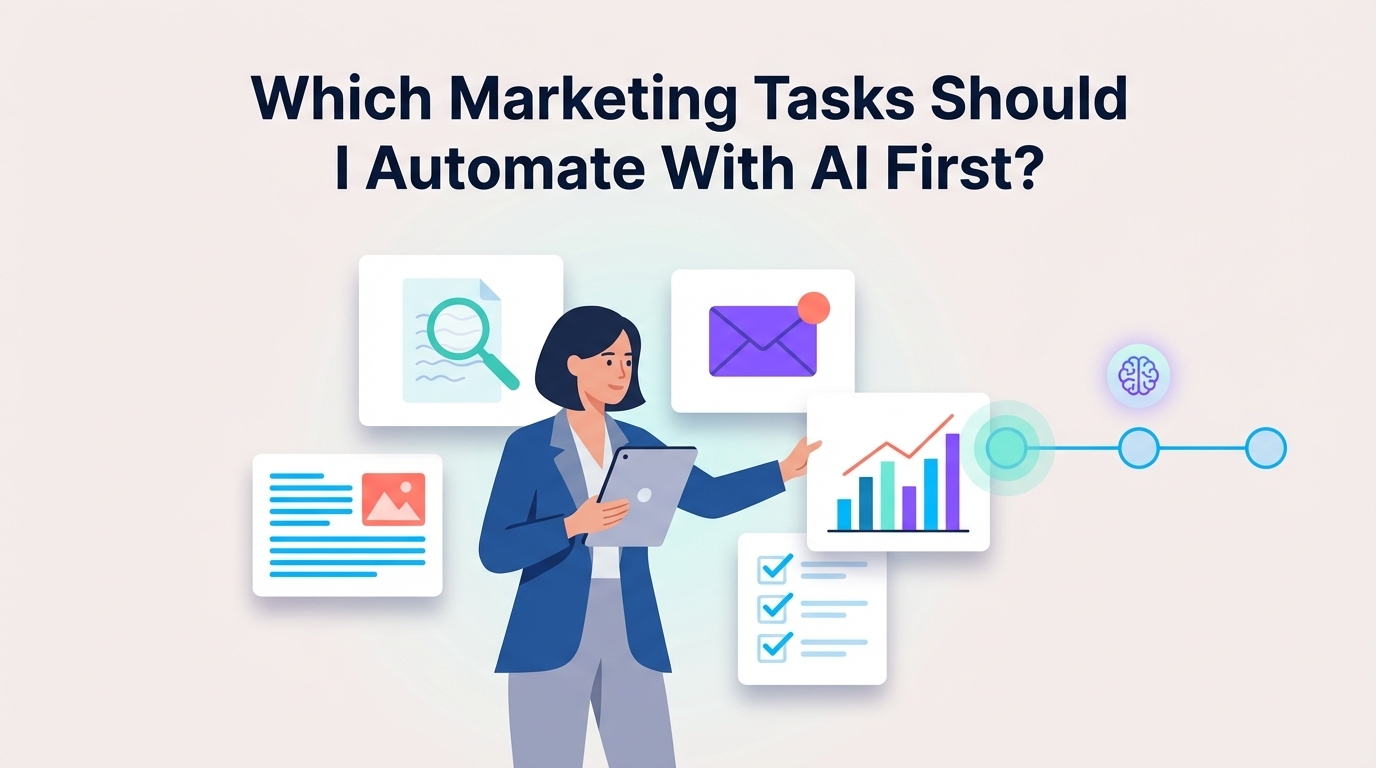
Start by automating high-volume, repetitive tasks that carry low strategic risk. Focus on content ideation, first draft generation, and repurposing. This ...
AIO, AEO, and GEO are partly a naming problem, but they are also signs of a real shift in how search works because AI systems are changing how information is ...
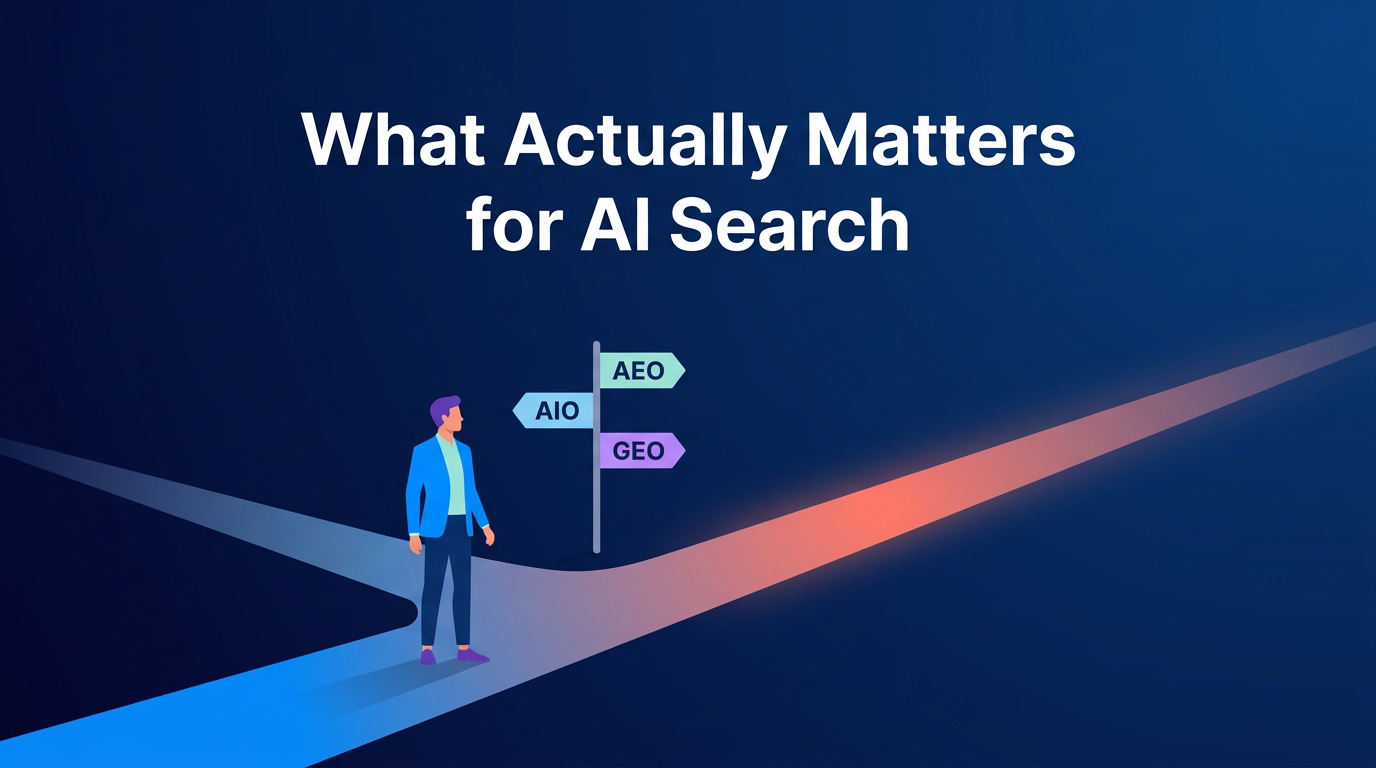
You should focus on building an AI search strategy that works, because AIO, AEO, and GEO describe the same shift in how visibility works, not separate ...
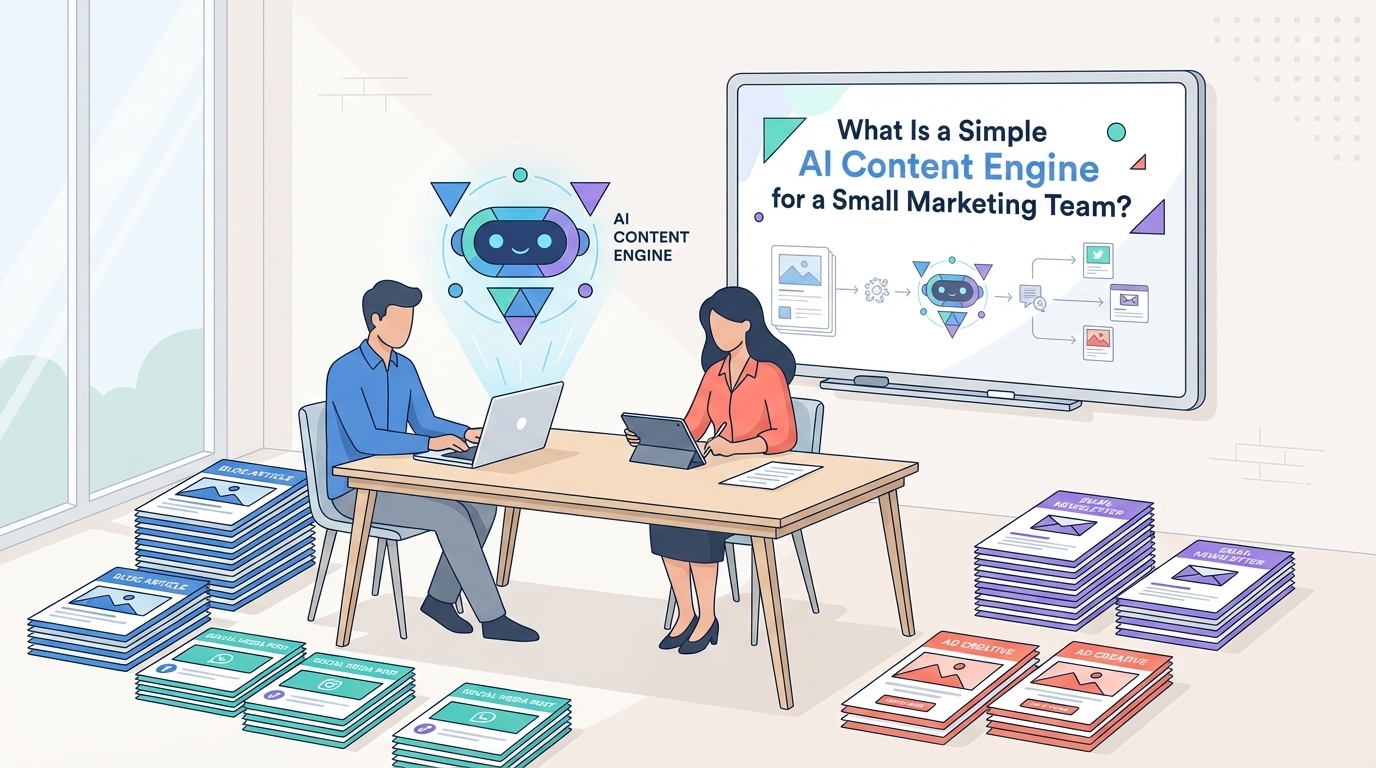
An AI content engine is a repeatable system that combines research, brief generation, drafting, and repurposing into one streamlined flow using large language ...
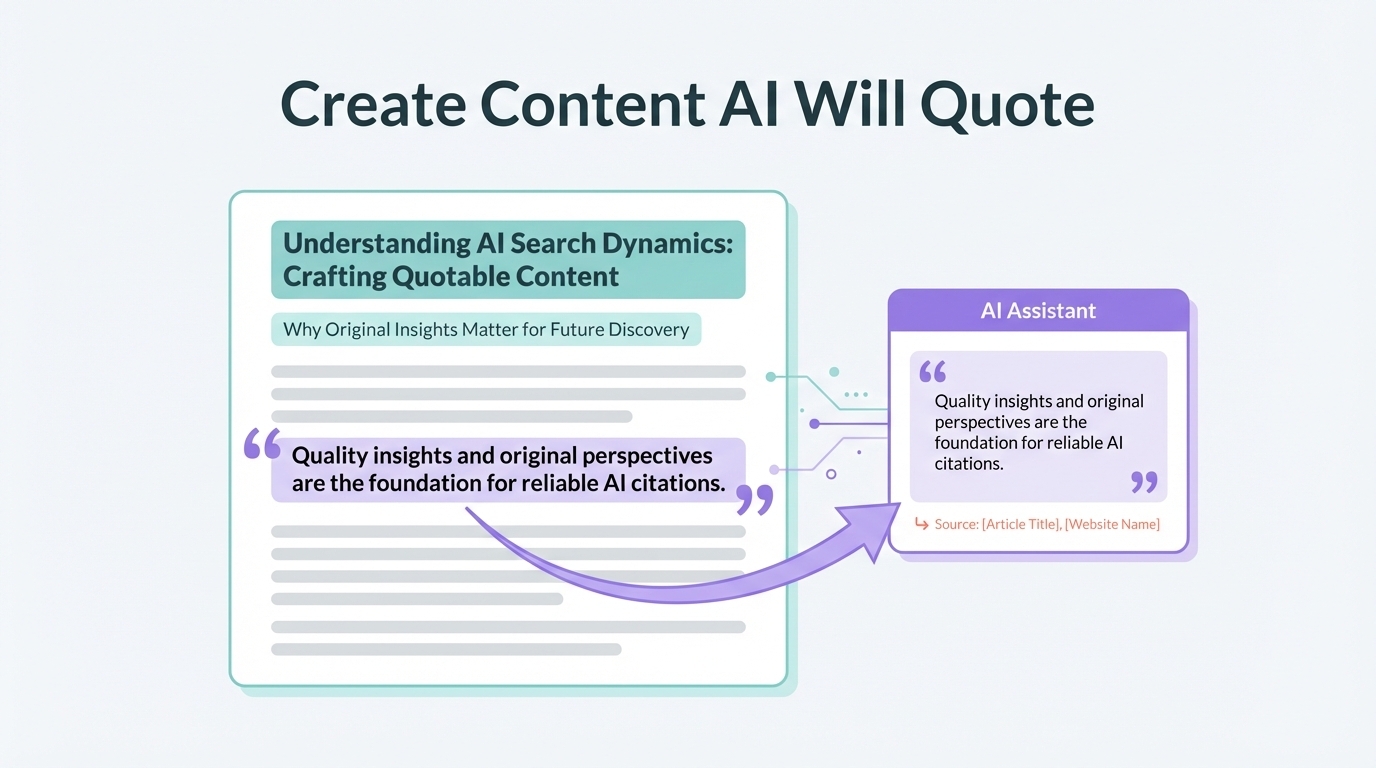
You create content that AI search engines will quote as an answer by building each page around one real question, answering it immediately in plain language, ...

Schema markup provides AI models with structured, semantic context that transforms raw content into machine-readable data, enabling accurate citations and ...
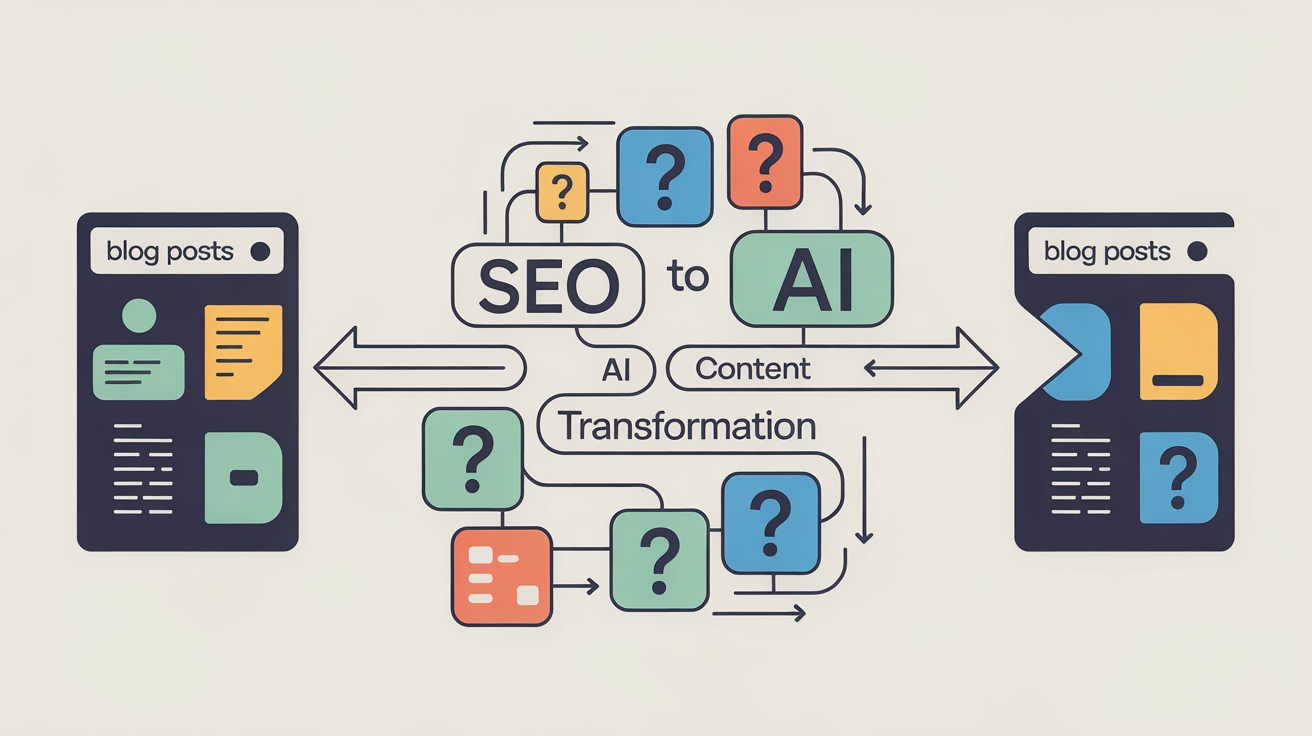
Transform your legacy content by restructuring it around direct answers, adding AI-friendly formatting, and integrating structured data. This strategic ...
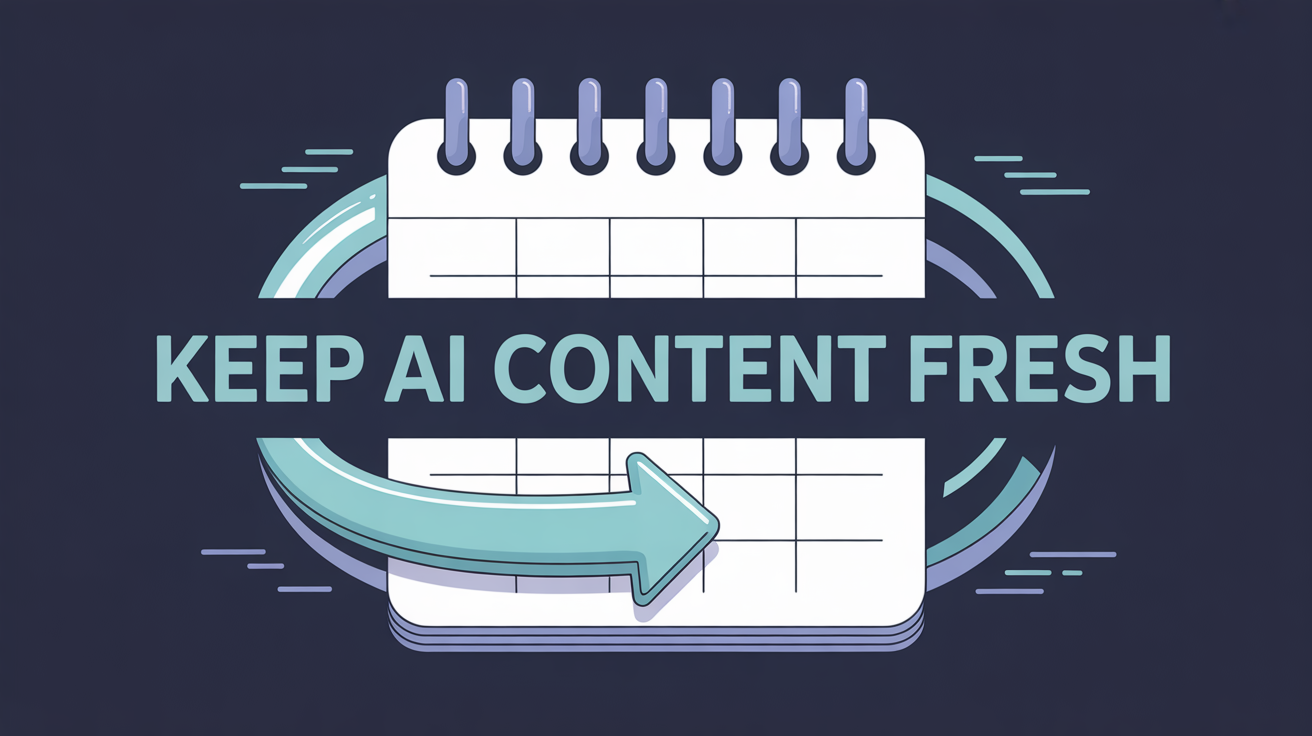
Update AI-optimized content quarterly by refreshing statistics, links, and sources. AI search engines prioritize fresh, validated content as a trust signal for ...
Traditional SEO analytics don't reveal AI visibility. You need specialized tools that track AI citations, answer engine placement, and zero-click snippet ...
Sales teams can drive leads from AI search by creating AI-optimized case studies, solution summaries, and product-specific content that answers precise buyer ...
Write in short, fact-based sentences with clear transitions and immediate answers. AI systems extract meaning most accurately from conversational clarity and ...

AI-optimized content increases brand visibility in chat-based search by providing direct, structured answers that AI assistants can quote verbatim. Focus on ...
AI-optimized content requires structured data, semantic relationships, immediate answers, and proprietary insights—not traditional SEO factors—to earn ...
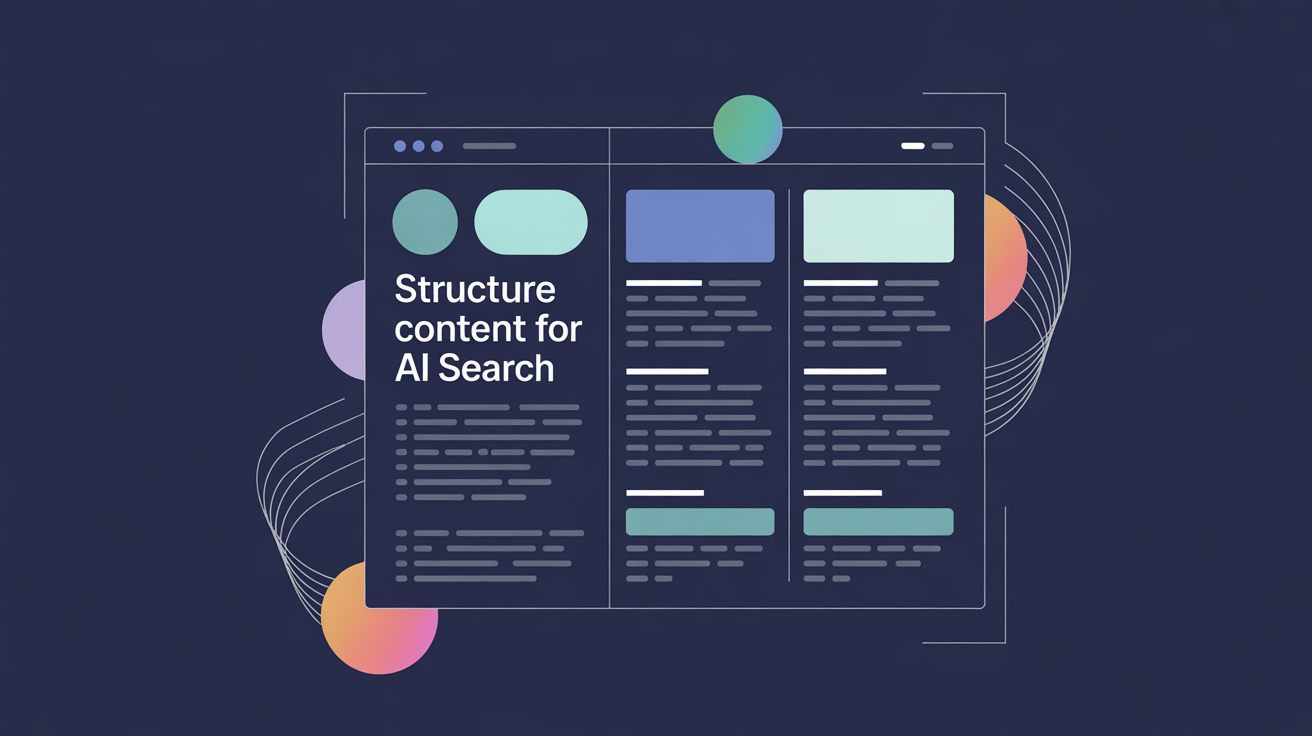
Use question-based headings, short paragraphs under 50 words, bulleted lists, and schema markup to make content AI-readable. Structure answers with immediate ...
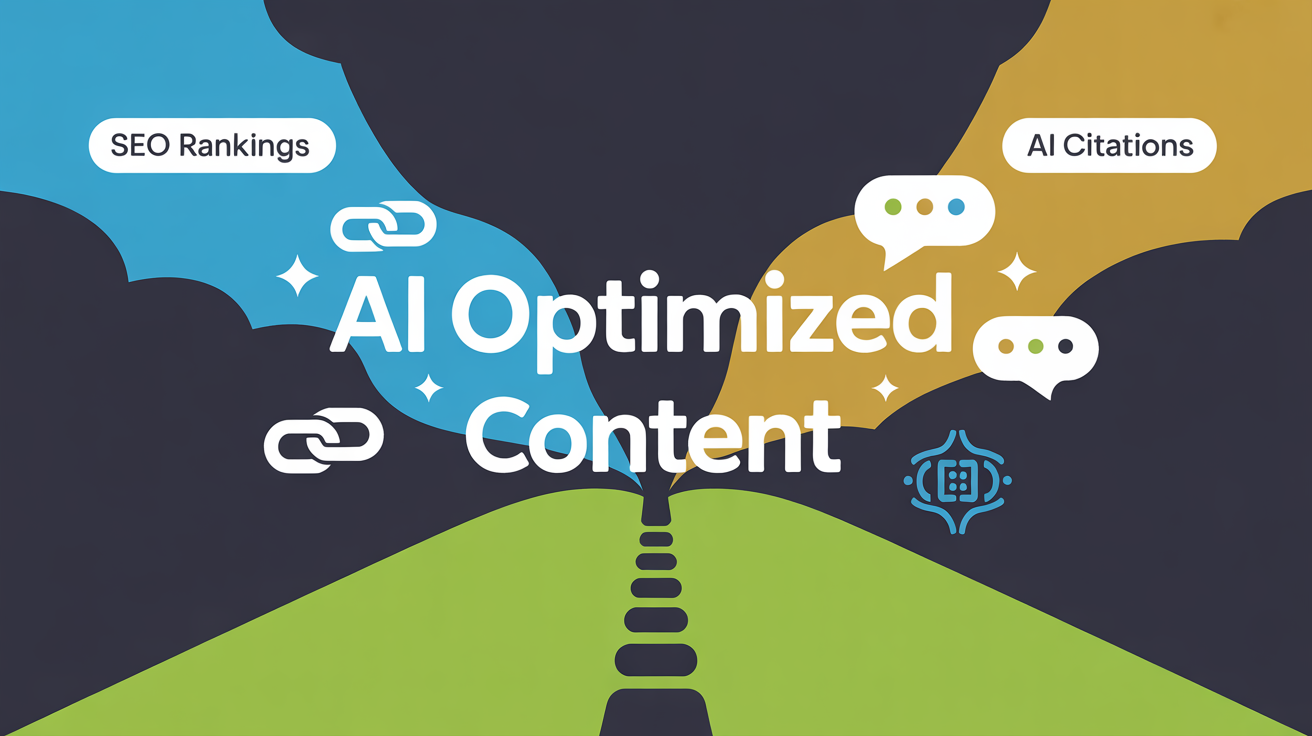
AI-optimized content (AIO) focuses on clarity, structure, and factual precision to help AI search engines understand and cite your content, while traditional ...
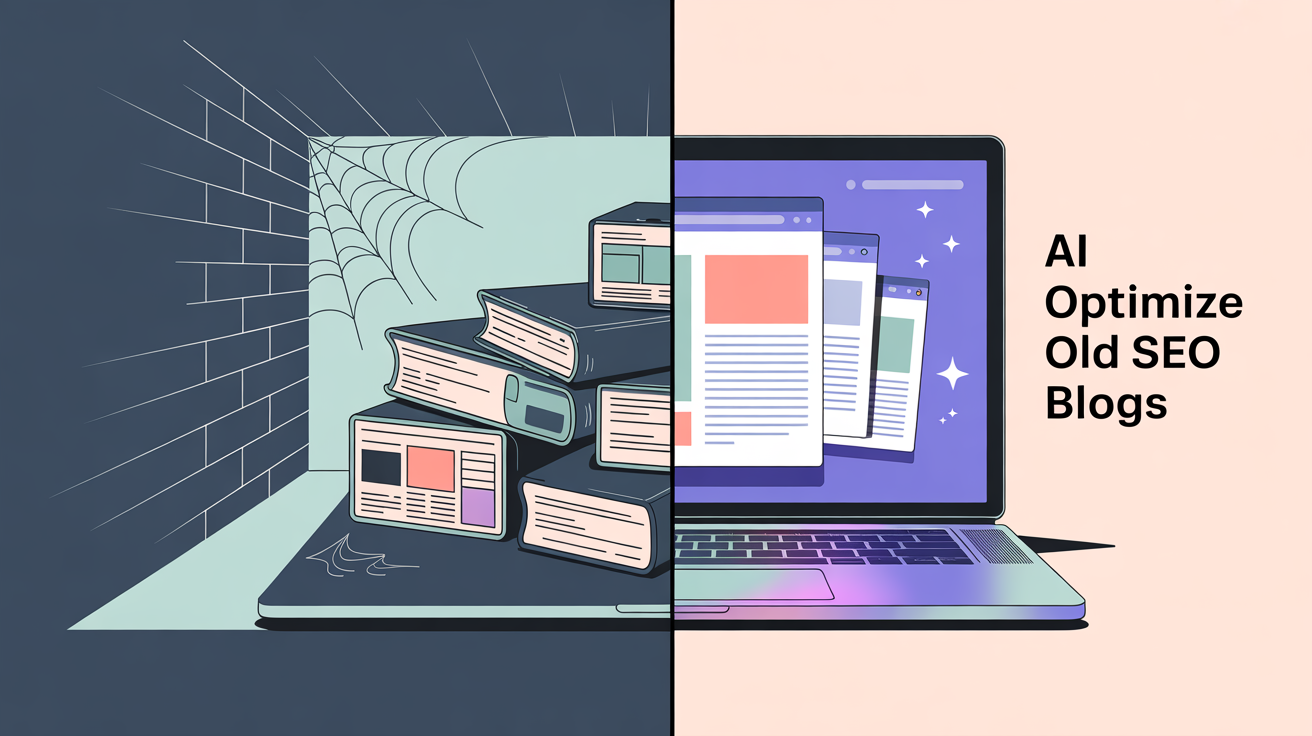
Transform existing SEO content by restructuring into Q&A format, adding schema markup, and implementing AI-friendly elements like direct answers and ...

To get featured when people ask AI, implement structured data (especially LocalBusiness schema), maintain consistent NAP (Name, Address, Phone) across all ...
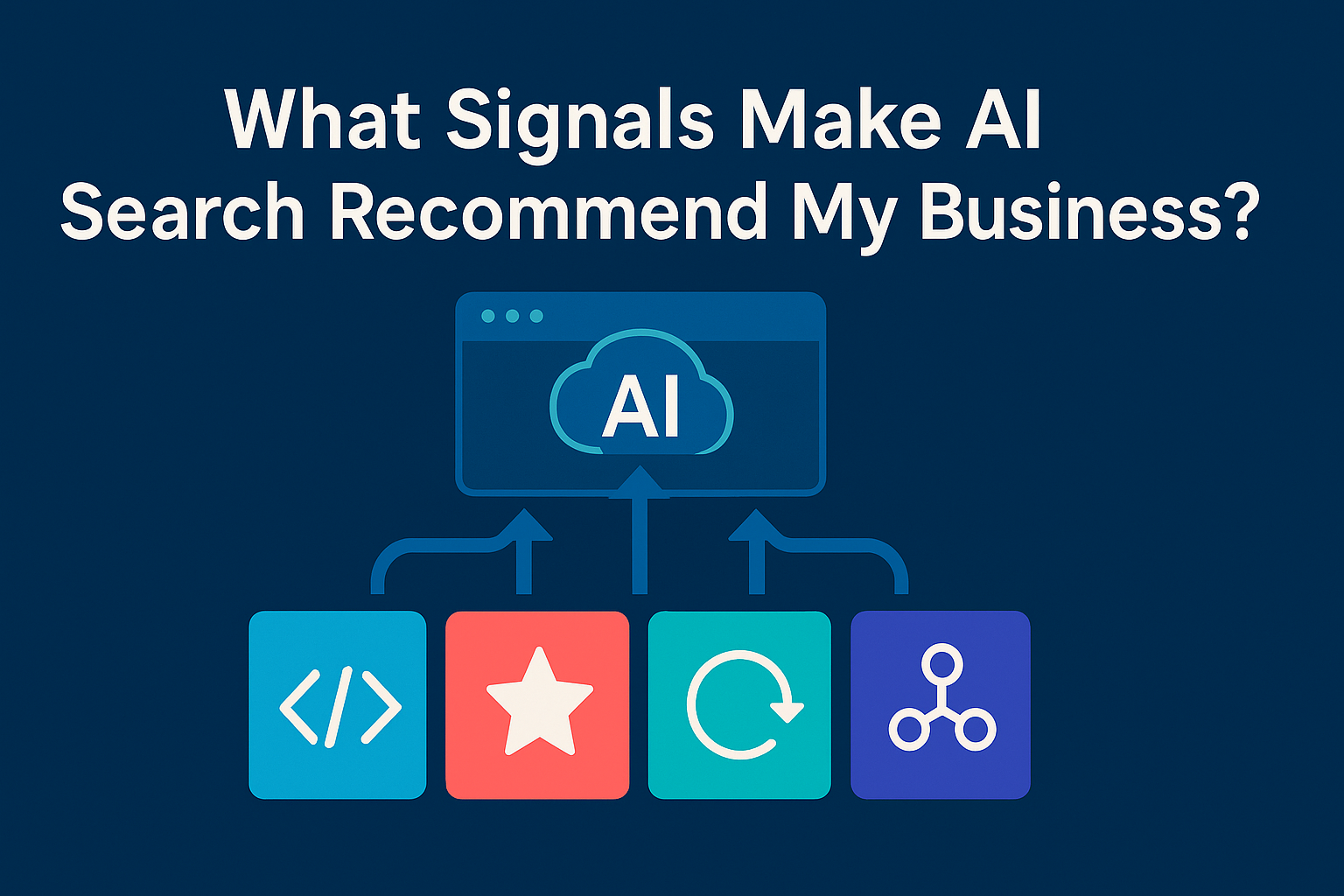
AI search engines favor sources with consistent structured data, authentic review signals, regular content updates, and clear product entity definitions. These ...

Sales teams can leverage AI search to warm leads by creating AI-optimized content that prospects discover during their research phase. By publishing vendor ...
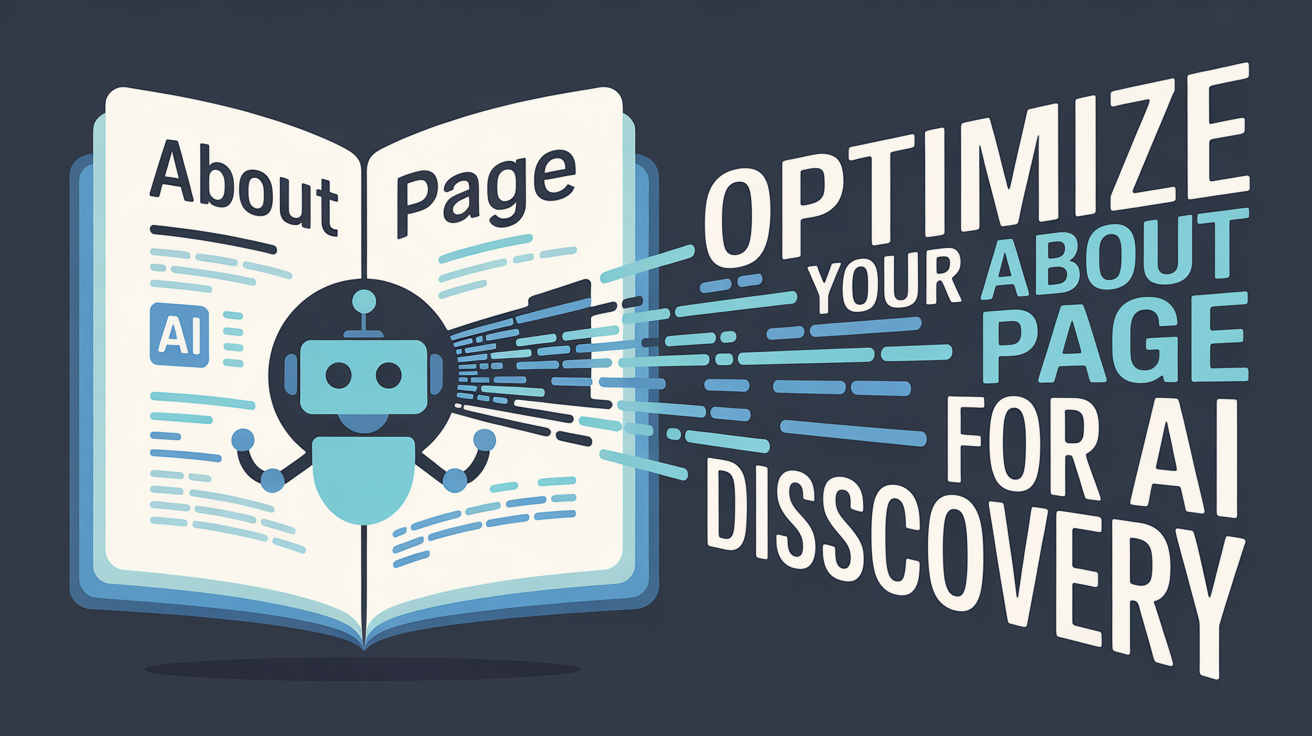
To optimize your brand's About page for AI discovery, include clear credentials, core services, schema markup, and entity-rich content that helps AI engines ...
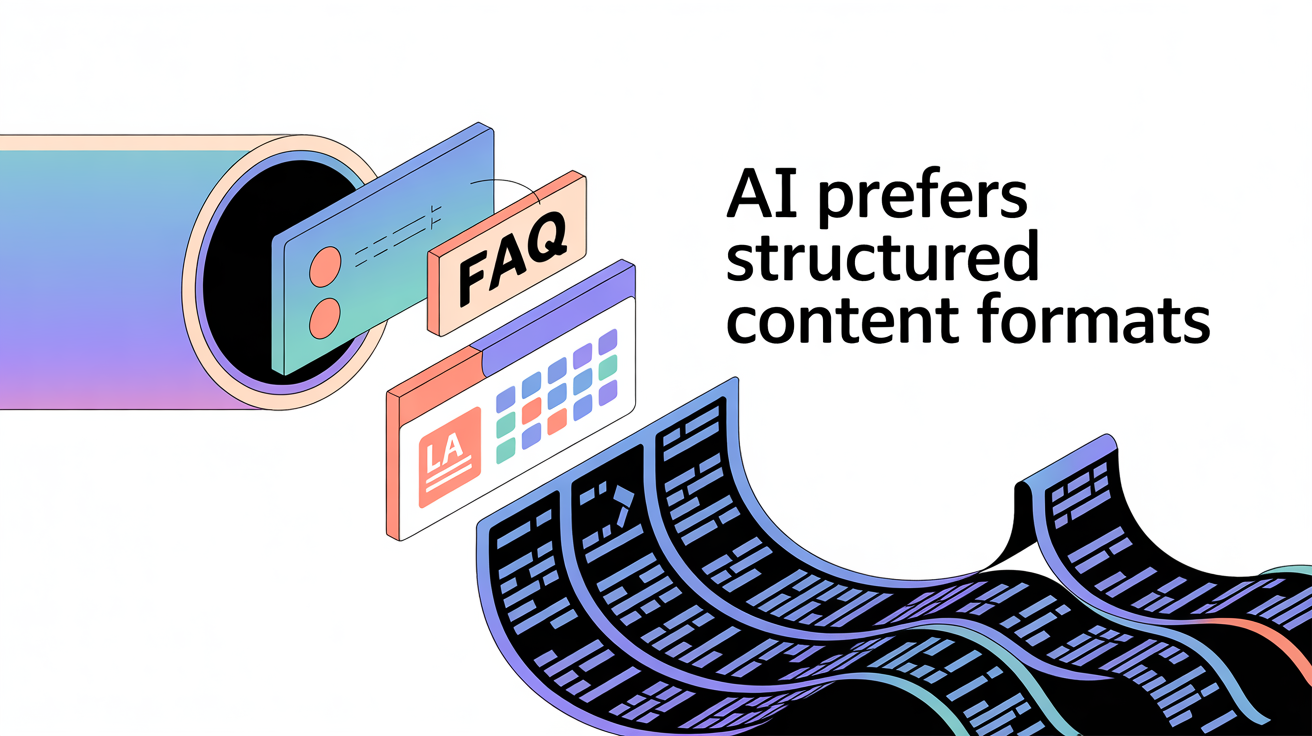
AI engines prioritize structured, scannable content formats including FAQs, bulleted lists, case studies, comparison guides, and step-by-step tutorials over ...

Agencies can make AI search mention their client brands by implementing entity linking strategies, building topical authority across multiple digital assets, ...

The best way to structure a blog for AI quotability is to start with a direct answer within the first 50 words, use clear H2/H3 headings, employ bulleted ...
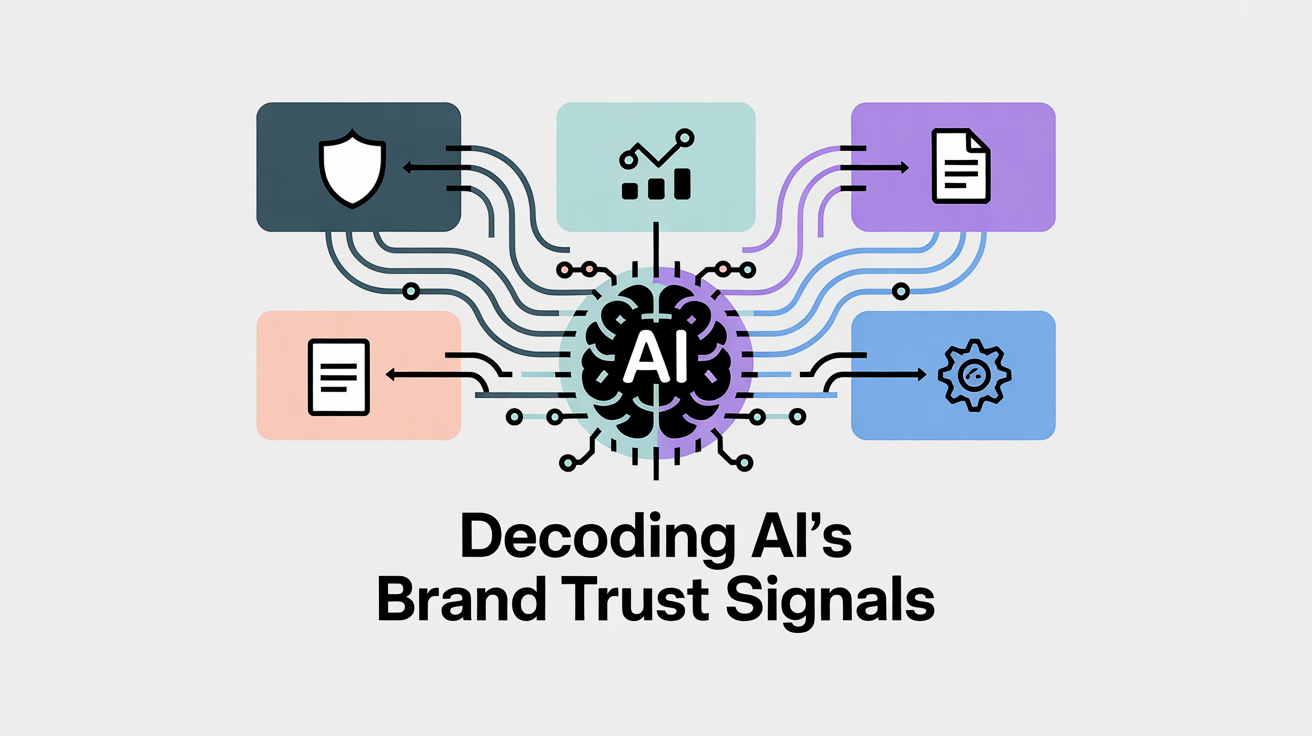
AI search engines evaluate brands through trust signals, including citation quality, content transparency, author authority, and data verifiability. Brands ...
To appear in AI search results, structure your content for how large language models (LLMs) understand and cite information — not just how humans read it. Use ...
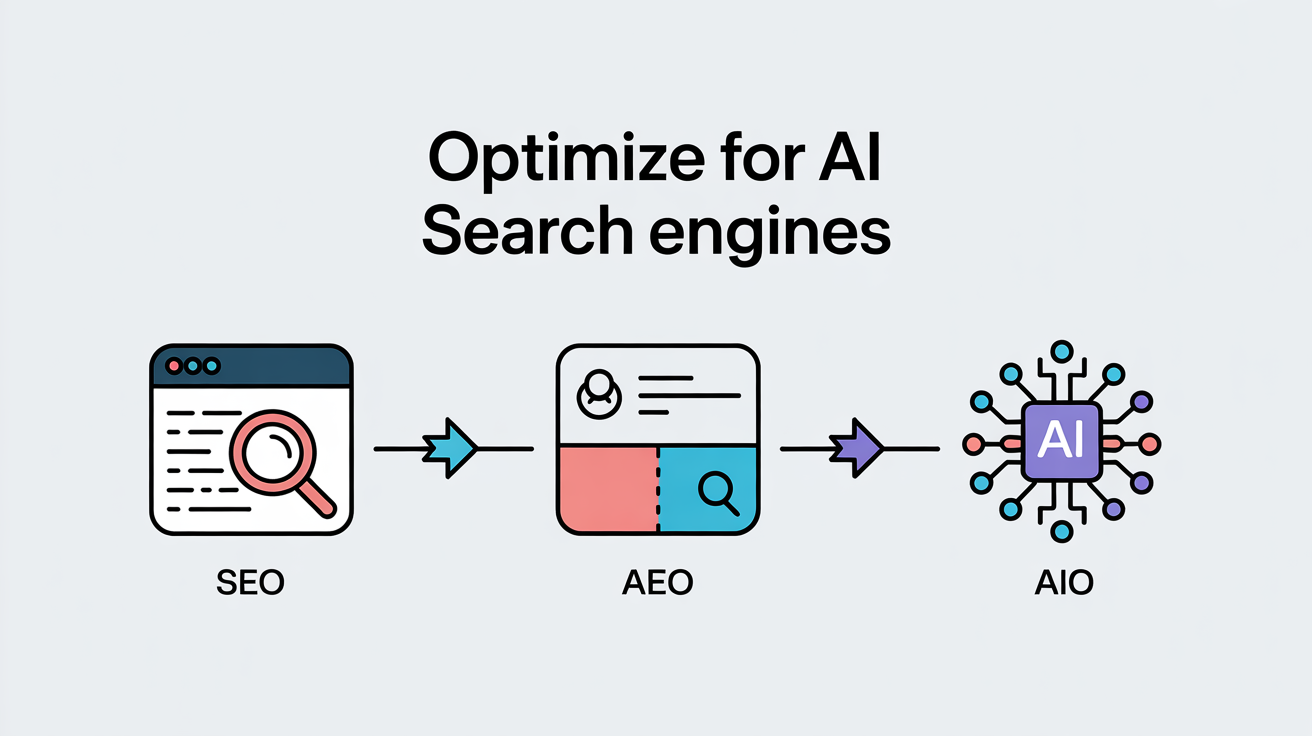
AI Optimization (AIO) is the more critical long-term strategy, as it ensures your entire brand is semantically understood and cited by all Large Language ...

AI Optimization (AIO) is the future of online content discovery because AI search engines are replacing traditional links with single, synthesized answers, ...

The introduction of the Perplexity Search API represents a pivotal moment for the marketing and sales technology landscape. It is not merely an incremental ...
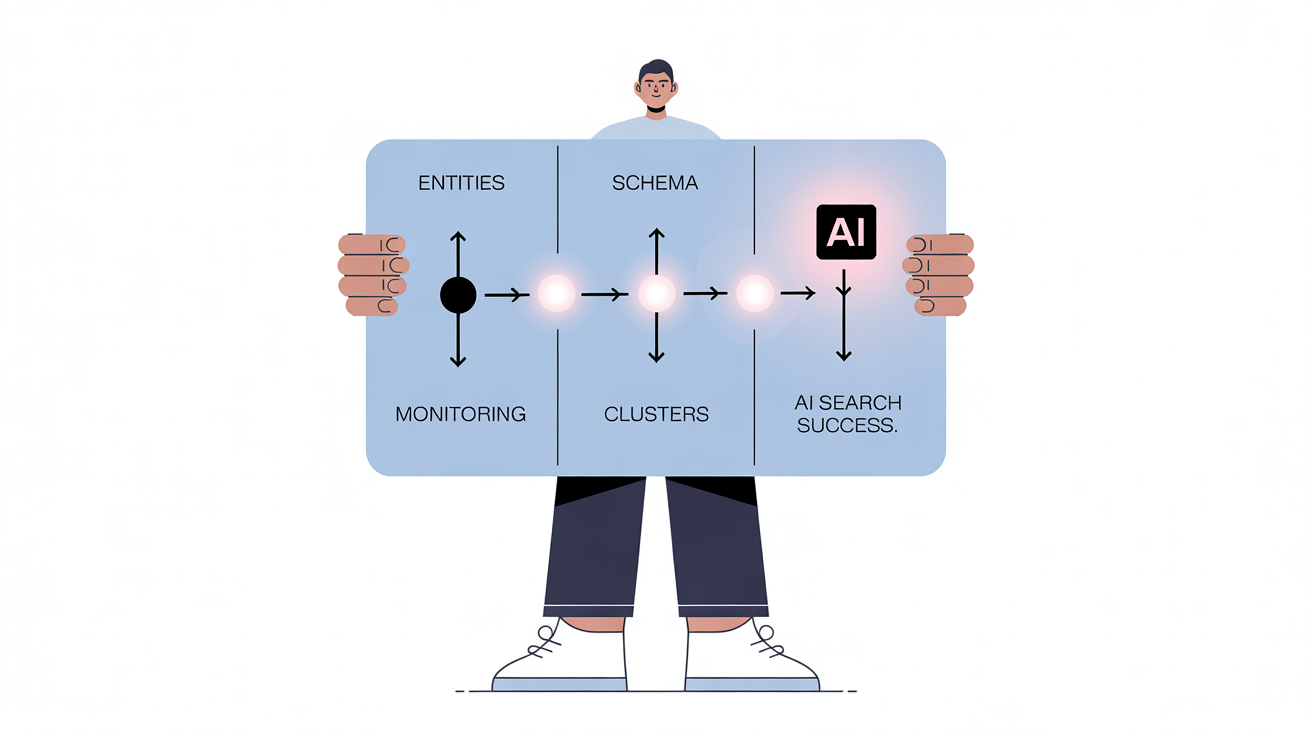
You create a roadmap for AI Search Optimization (AIO) success by defining clear phases—foundation, structure, scaling, and monitoring—and aligning them to ...

The best way to structure content for AI Search Overviews is to combine clear hierarchy (H2/H3 headings), semantic completeness, schema markup, and concise ...
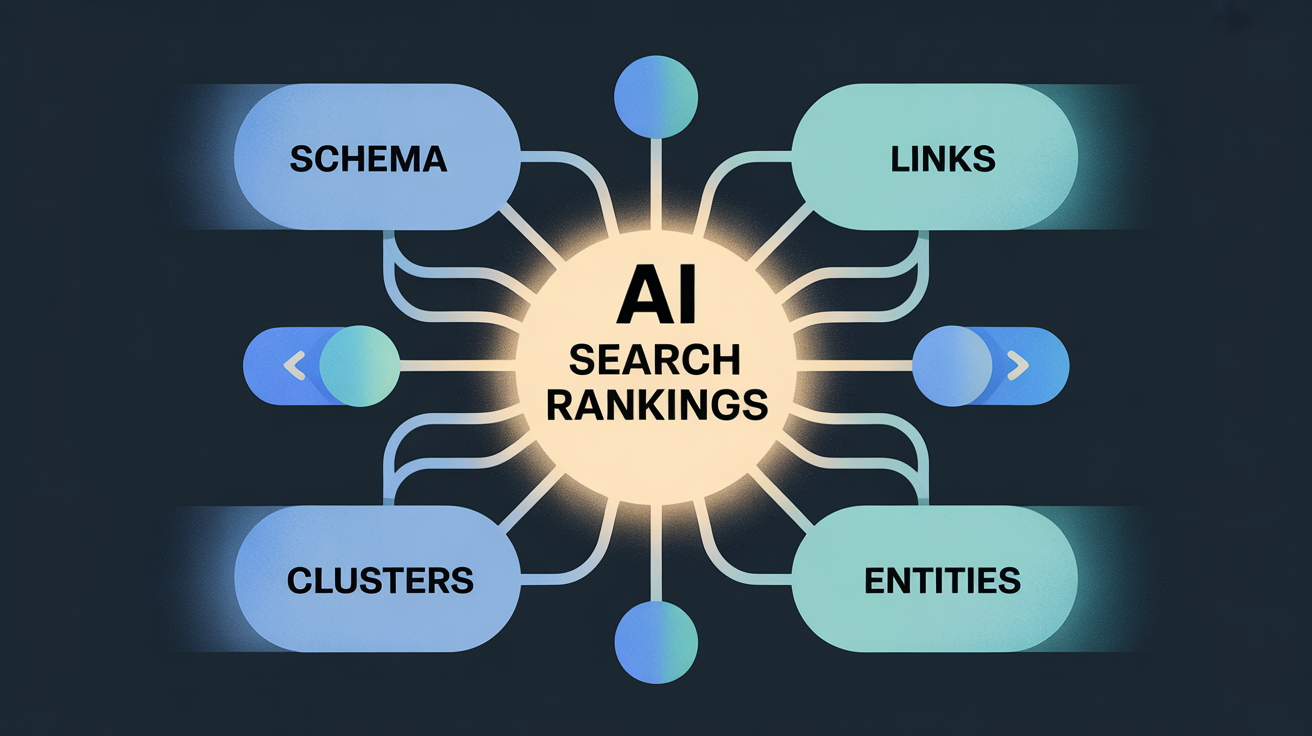
You use entities to improve AI search rankings by making your content explicitly machine-readable through schema, internal linking, and semantic coverage. ...

You make AI Search Optimization (AIO) more reliable by using Retrieval-Augmented Generation (RAG) systems to ground answers in authoritative data, ensure ...
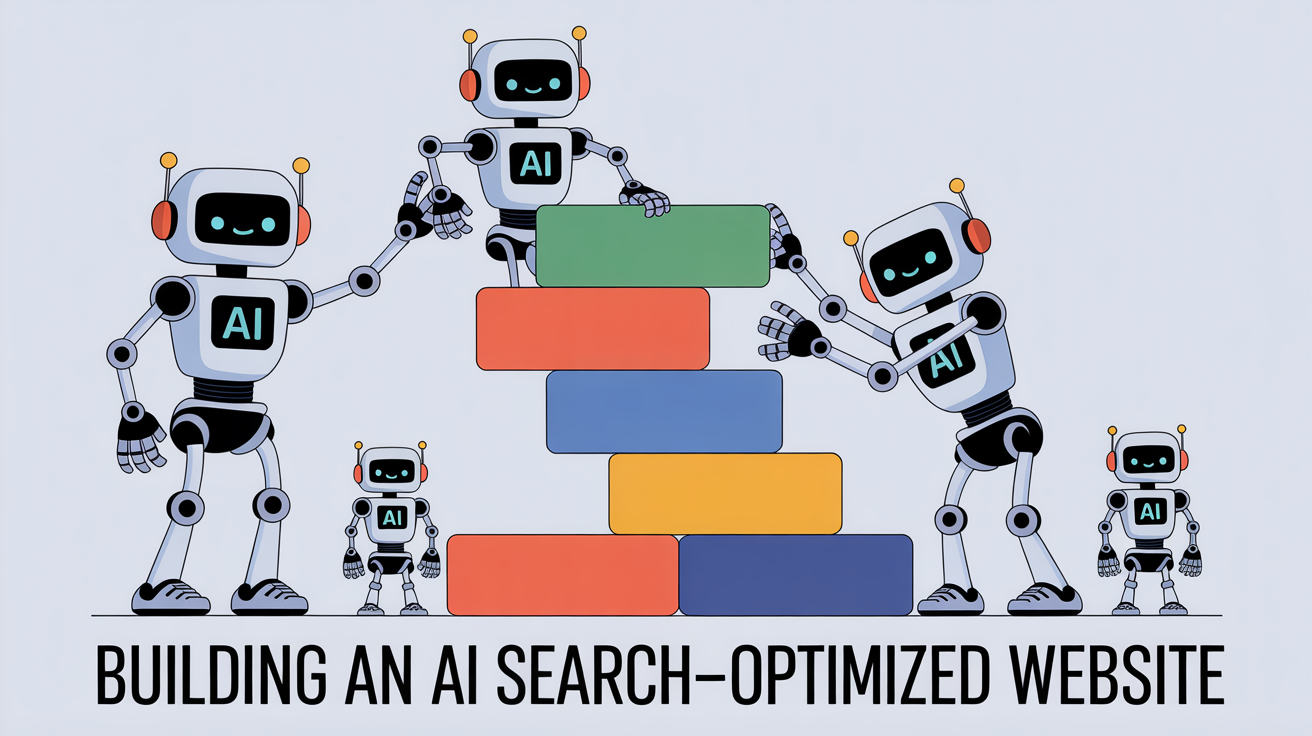
You build an AI search–optimized website by combining entity-rich content, structured data, and internal linking with strong technical foundations like ...
Search engine optimization (SEO) has long been measured by one main signal: rankings in search engine results pages (SERPs). But with AI search optimization ...
AI search optimization (AIO) makes your content discoverable and trustworthy inside AI-driven answers—Google AI Overviews, Perplexity, ChatGPT Browse, and the ...
The best strategies for ranking in AI search results are to create content that answers user questions directly, structure information with clarity, use schema ...
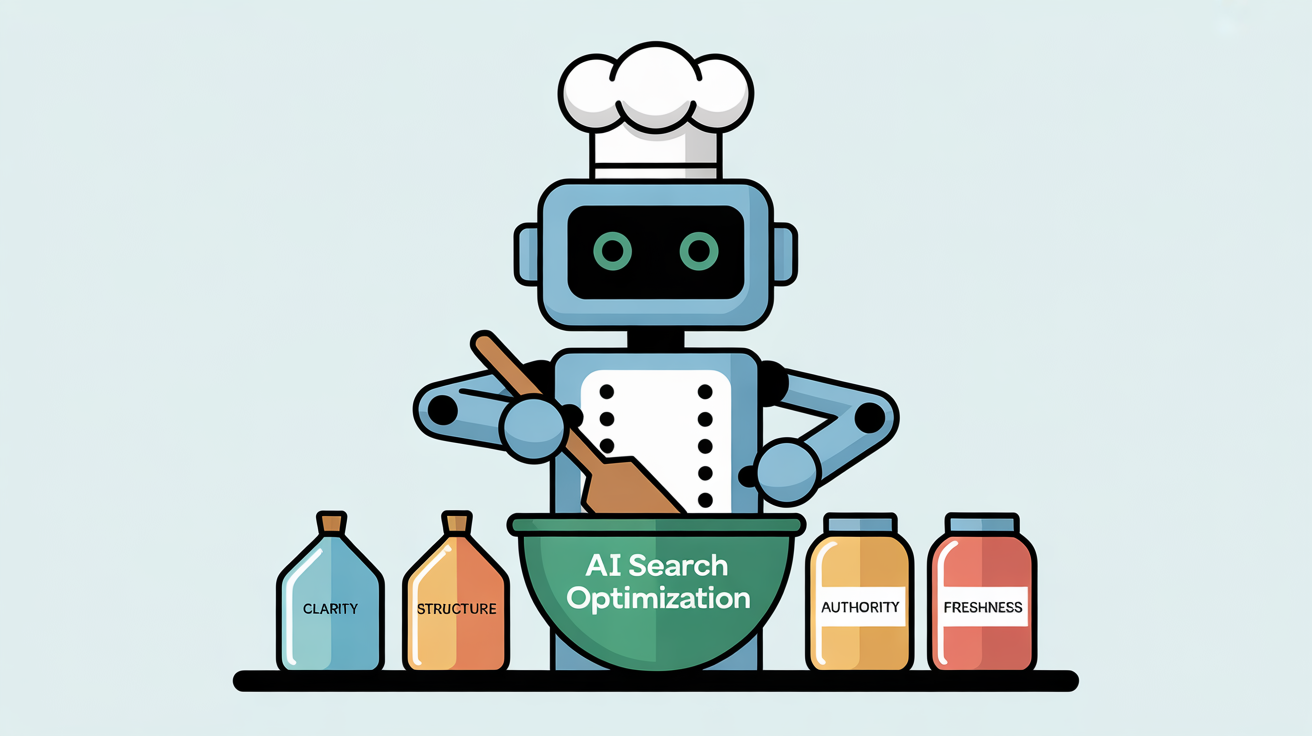
You create content that AI search engines prefer by writing in a clear question-and-answer format, structuring information with tables and lists, and providing ...

Marketers can use AI Search Optimization (AIO) to get found by structuring content so that AI-driven engines like ChatGPT, Google AI Overviews, and Perplexity ...
AI Search Optimization (AIO) is the practice of shaping your content so that artificial intelligence systems can understand, select, and surface it inside ...
AIO (AI Optimization) = making your content legible to humans and to AI systems (search, recommenders, assistants) through intent coverage, semantic clarity, ...

To win visibility in a zero-click era with AIO (Artificial Intelligence Optimization), lead with a two-sentence answer, add a dated facts card, one simple ...
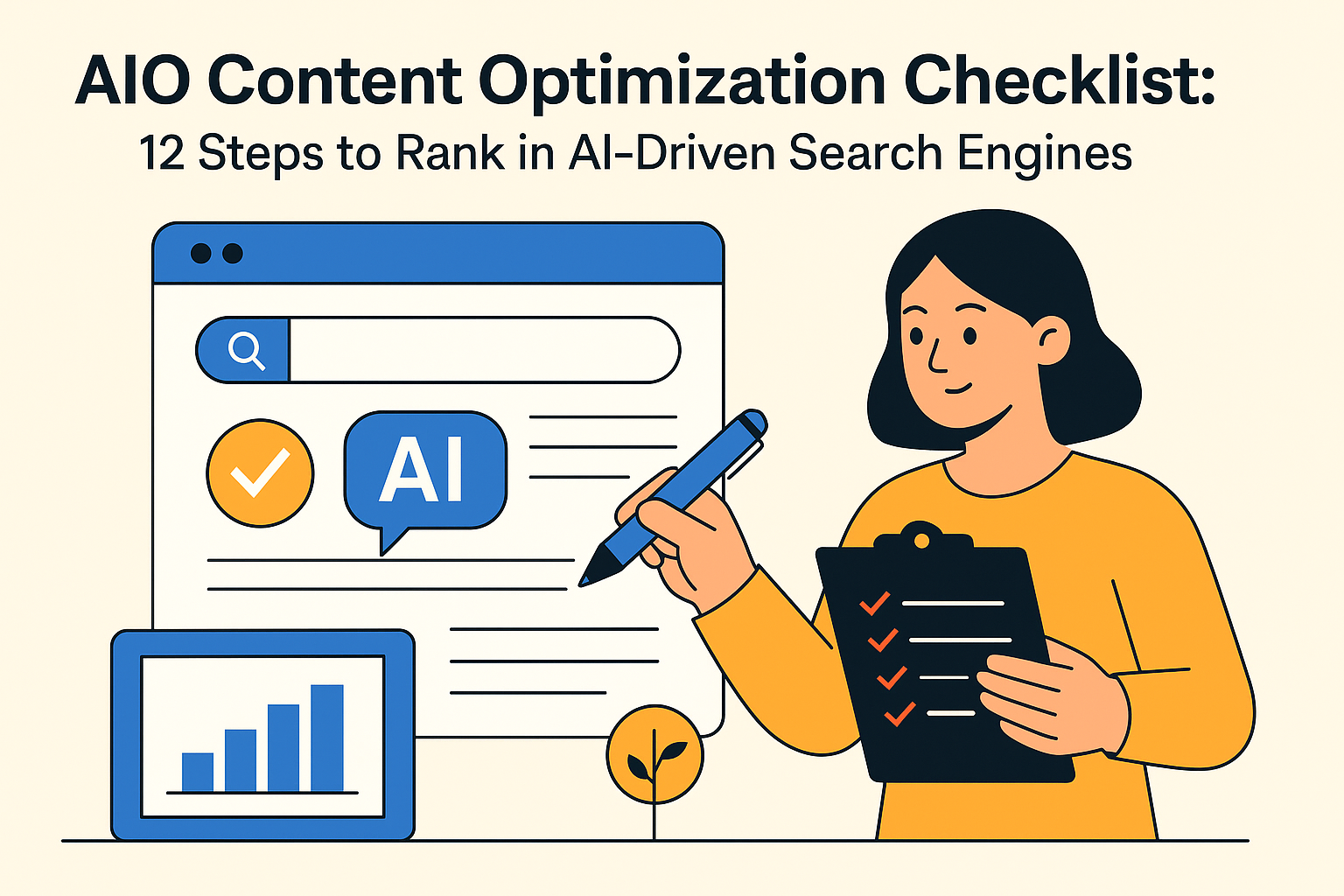
Last updated: May 2026 AI search optimization is the process of structuring content so it can be selected, summarized, and cited by AI systems like Google AI ...
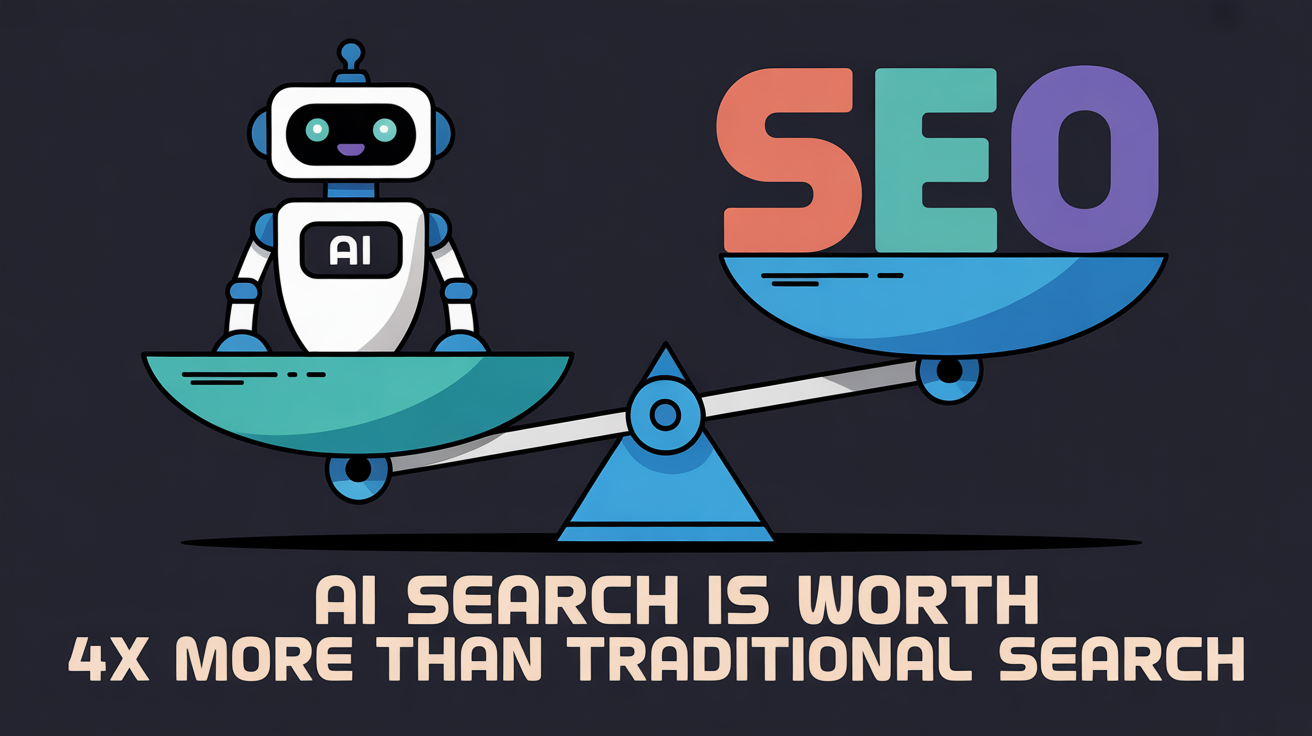
A striking revelation has emerged from recent marketing data: visitors arriving from AI-powered search platforms are worth approximately four times more than ...

The shift from traditional search to AI-powered search has created a measurement crisis for digital marketers. The familiar metrics of organic traffic, keyword ...
Traditional search engine optimization, once the cornerstone of digital marketing strategies, is rapidly evolving into something entirely different. As ...
Skip the reading. Book your audit.
45 minutes with Rick. Tell us the bottleneck, we tell you whether AI is the answer.