What we're learning, shipping, and arguing about.
Field notes from operators building production AI. No takes. No theory. The thing that broke last week and how we fixed it.

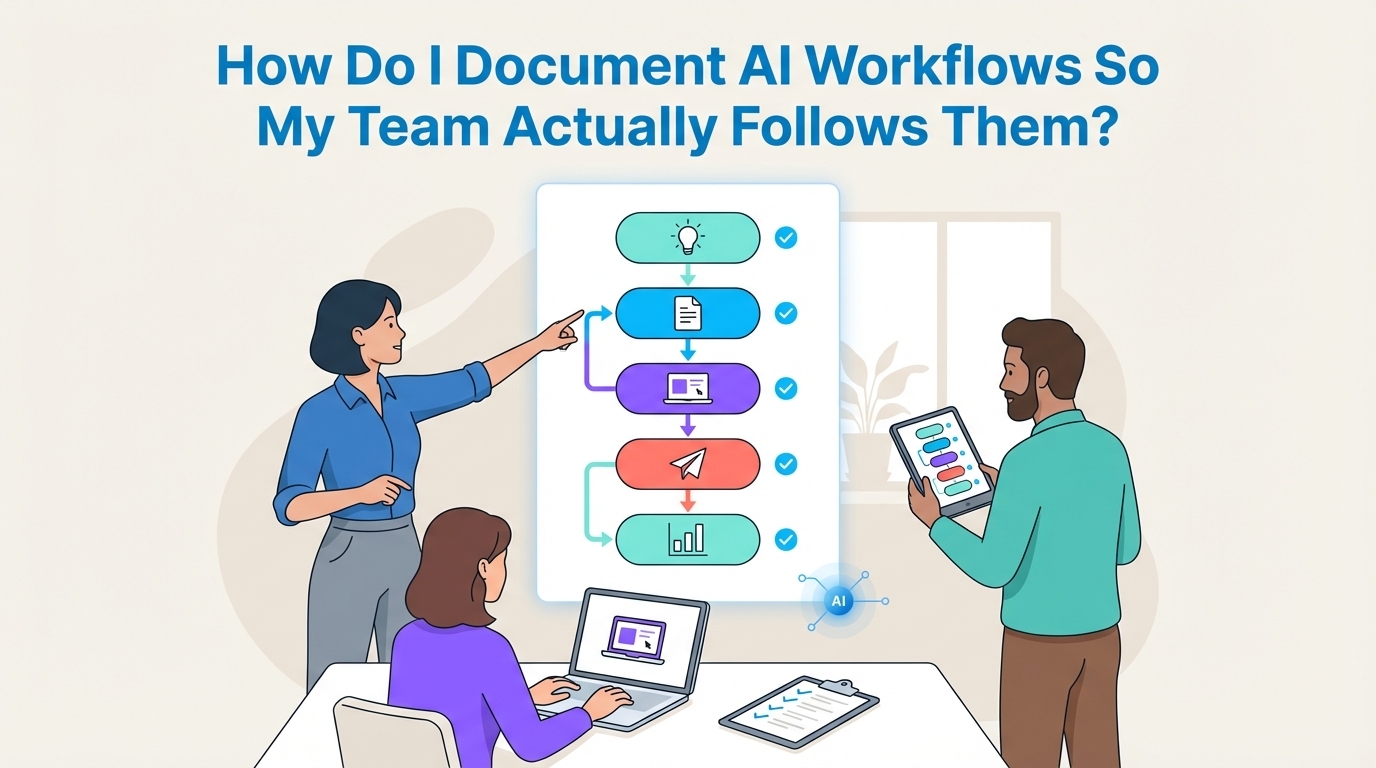
To create AI workflow documentation that your team will use, standardize it into a simple Standard Operating Procedure (SOP) format. Define the purpose, ...
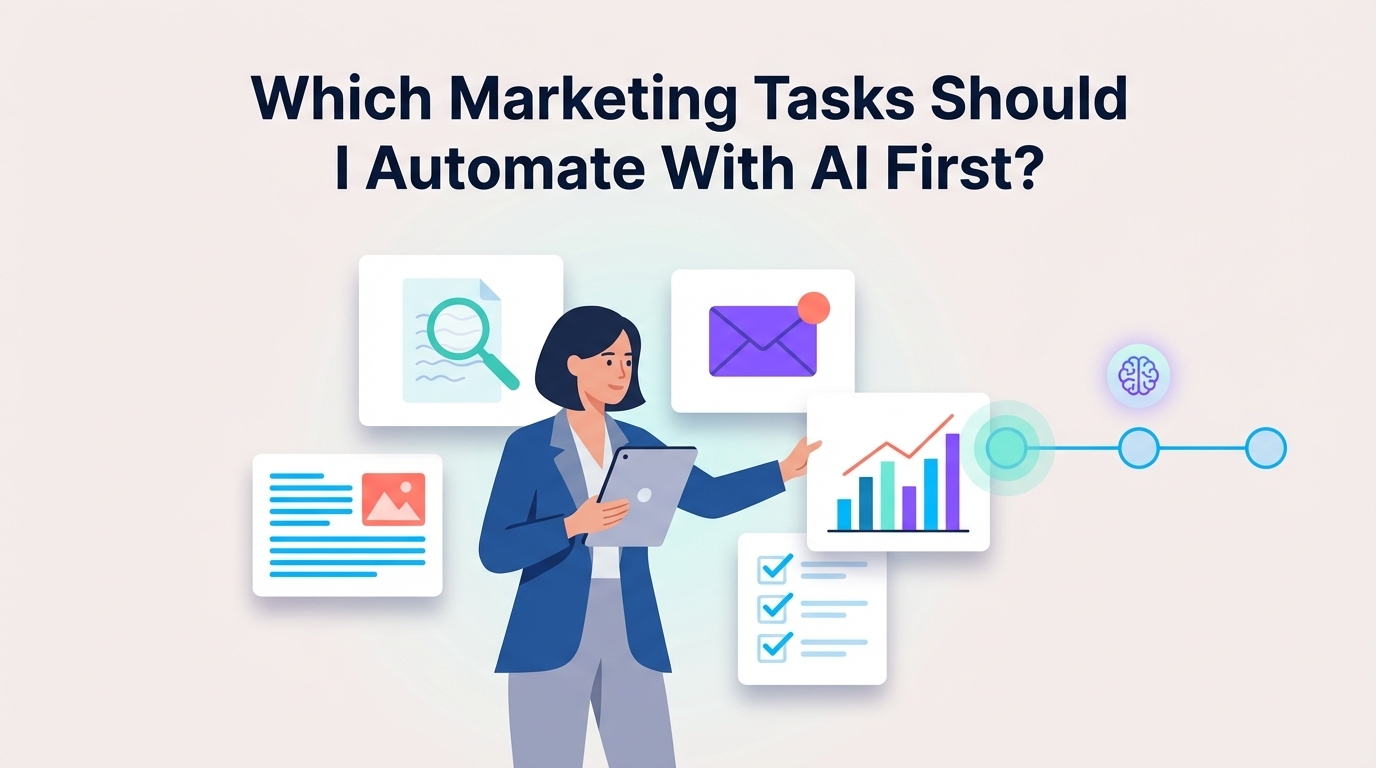
Start by automating high-volume, repetitive tasks that carry low strategic risk. Focus on content ideation, first draft generation, and repurposing. This ...
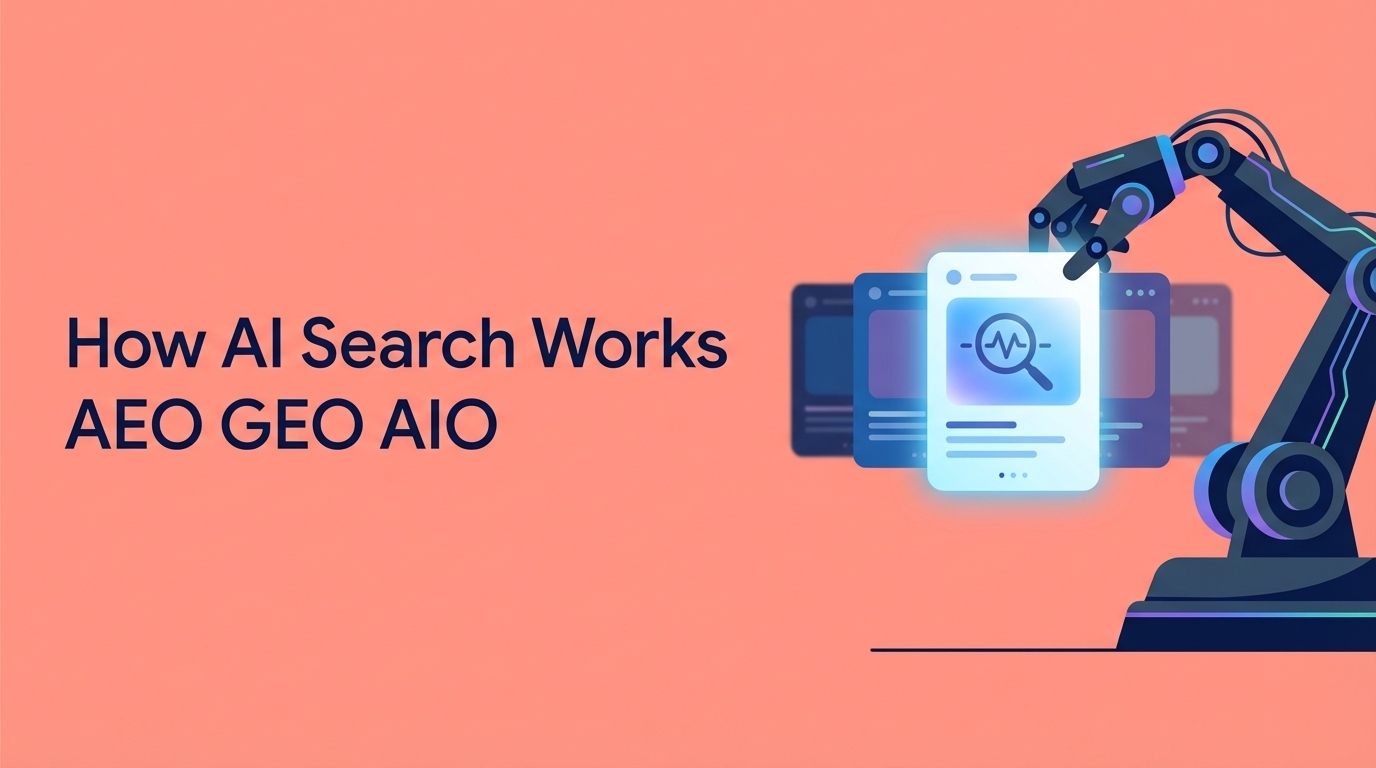
AIO, AEO, and GEO are partly a naming problem, but they are also signs of a real shift in how search works because AI systems are changing how information is ...
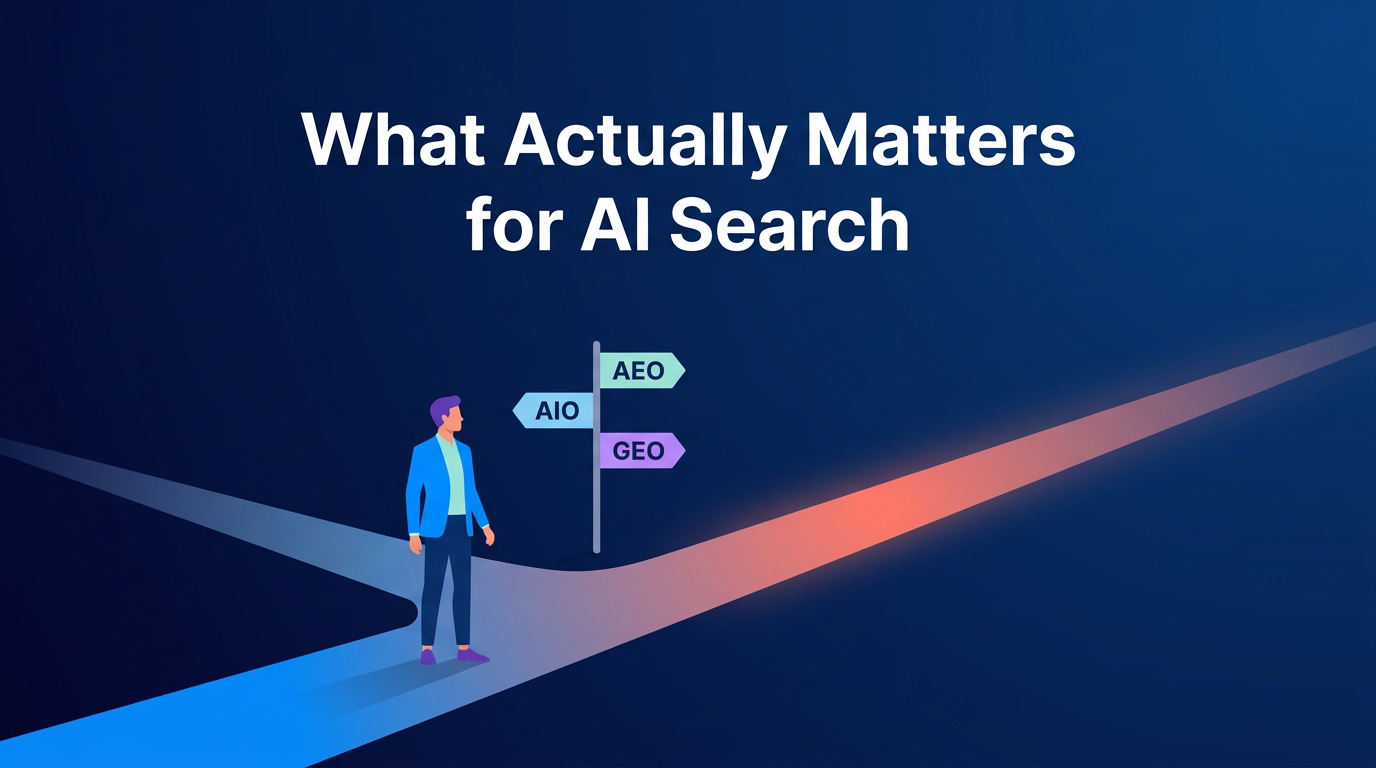
You should focus on building an AI search strategy that works, because AIO, AEO, and GEO describe the same shift in how visibility works, not separate ...
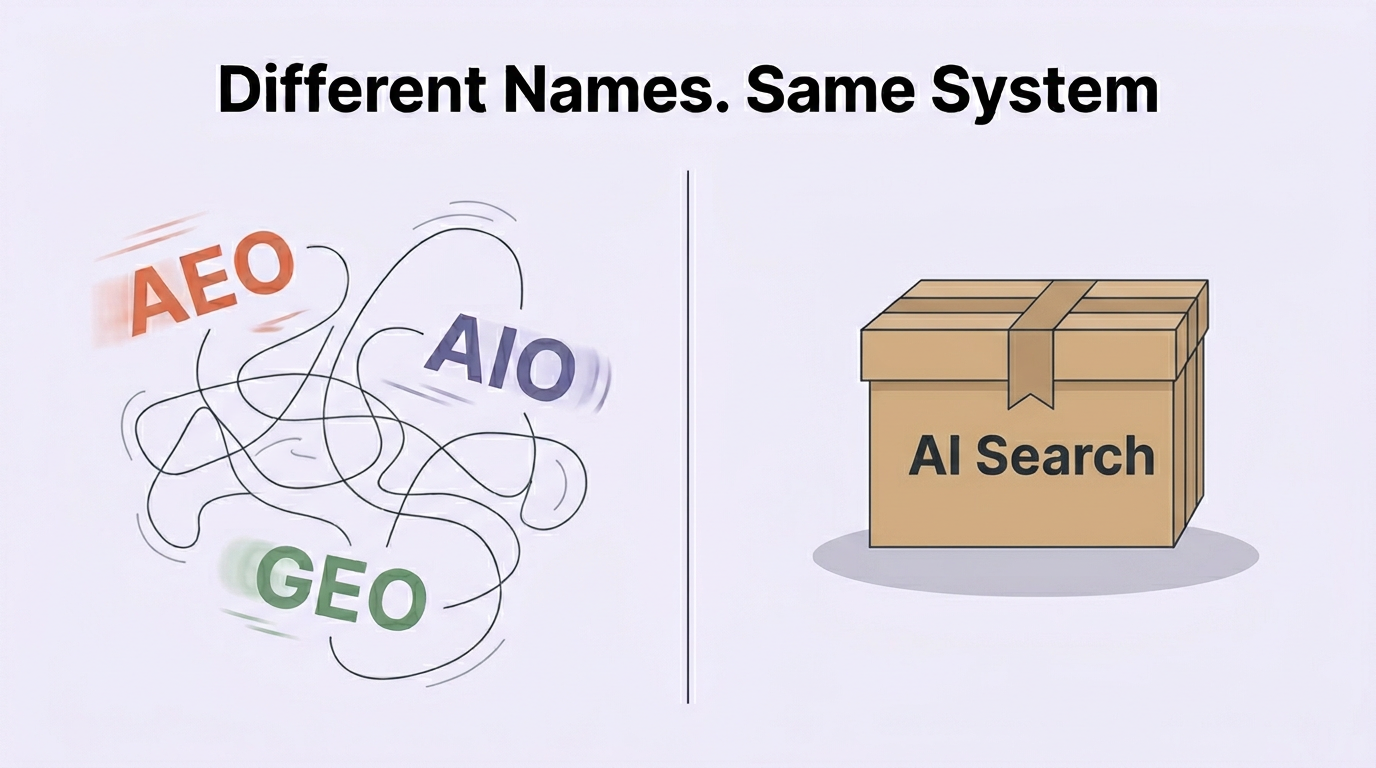
AIO, AEO, and GEO are not separate strategies. They are different ways of describing the same shift in search, and what actually matters is whether your ...
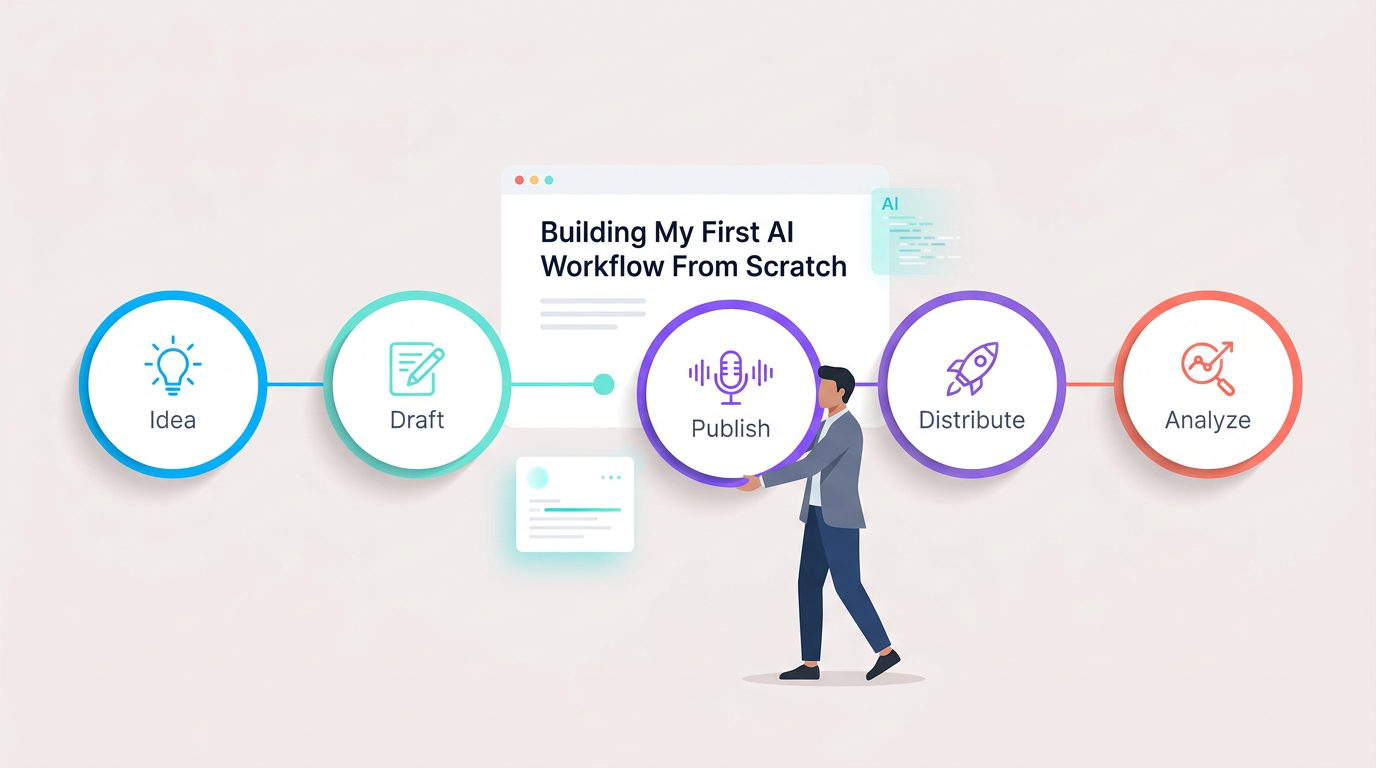
Start by isolating one repetitive marketing task. Map out the manual steps, then identify which ones can be replaced by an AI tool and an automation platform. ...
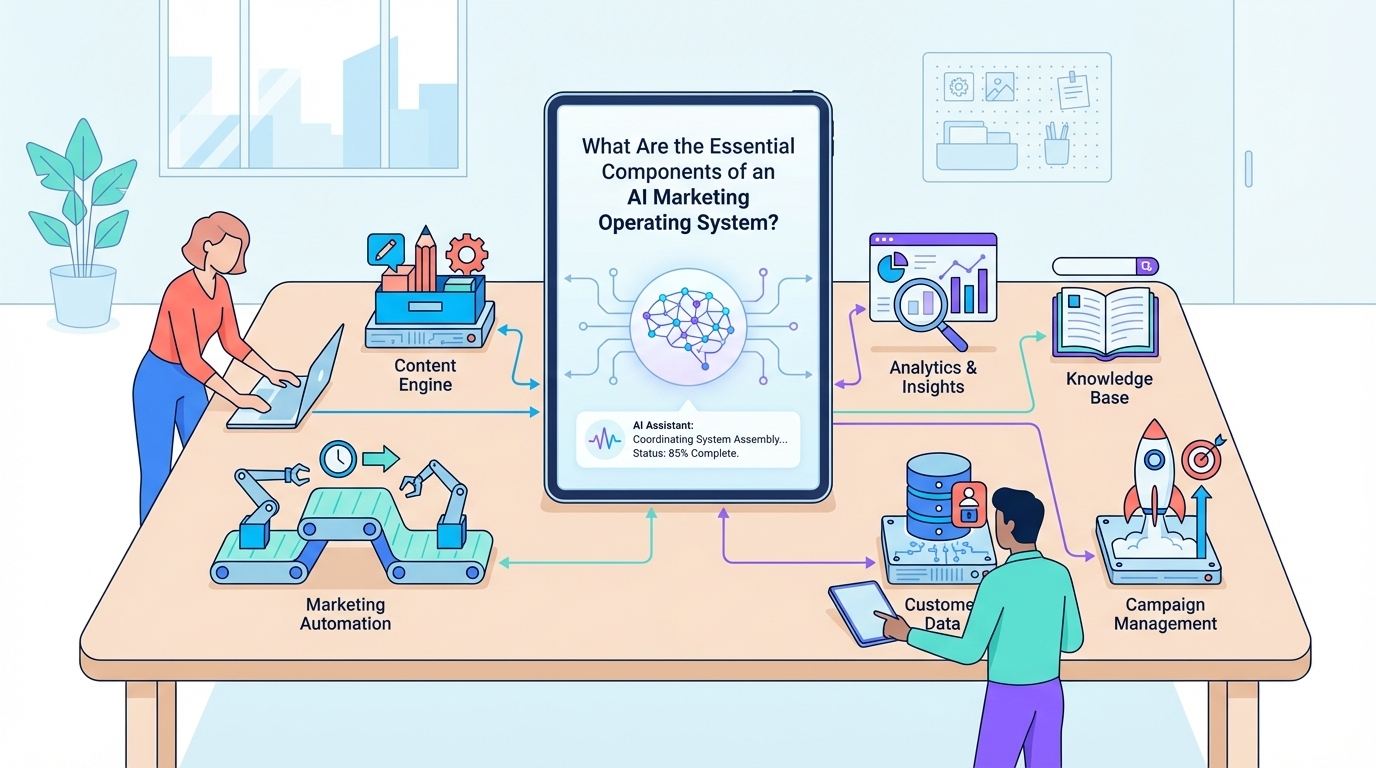
An AI marketing operating system is a unified framework of five core components: a centralized data and knowledge layer, an AI model intelligence layer, a ...
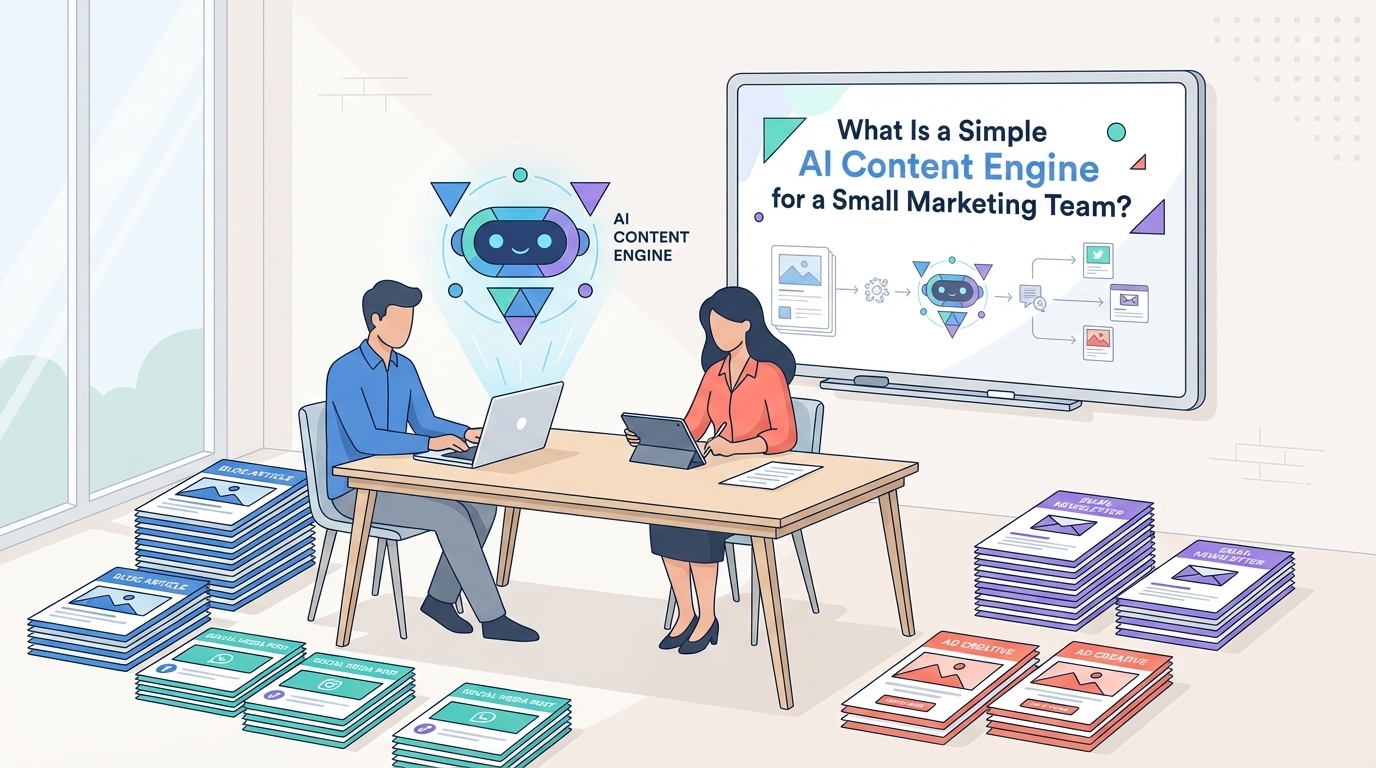
An AI content engine is a repeatable system that combines research, brief generation, drafting, and repurposing into one streamlined flow using large language ...
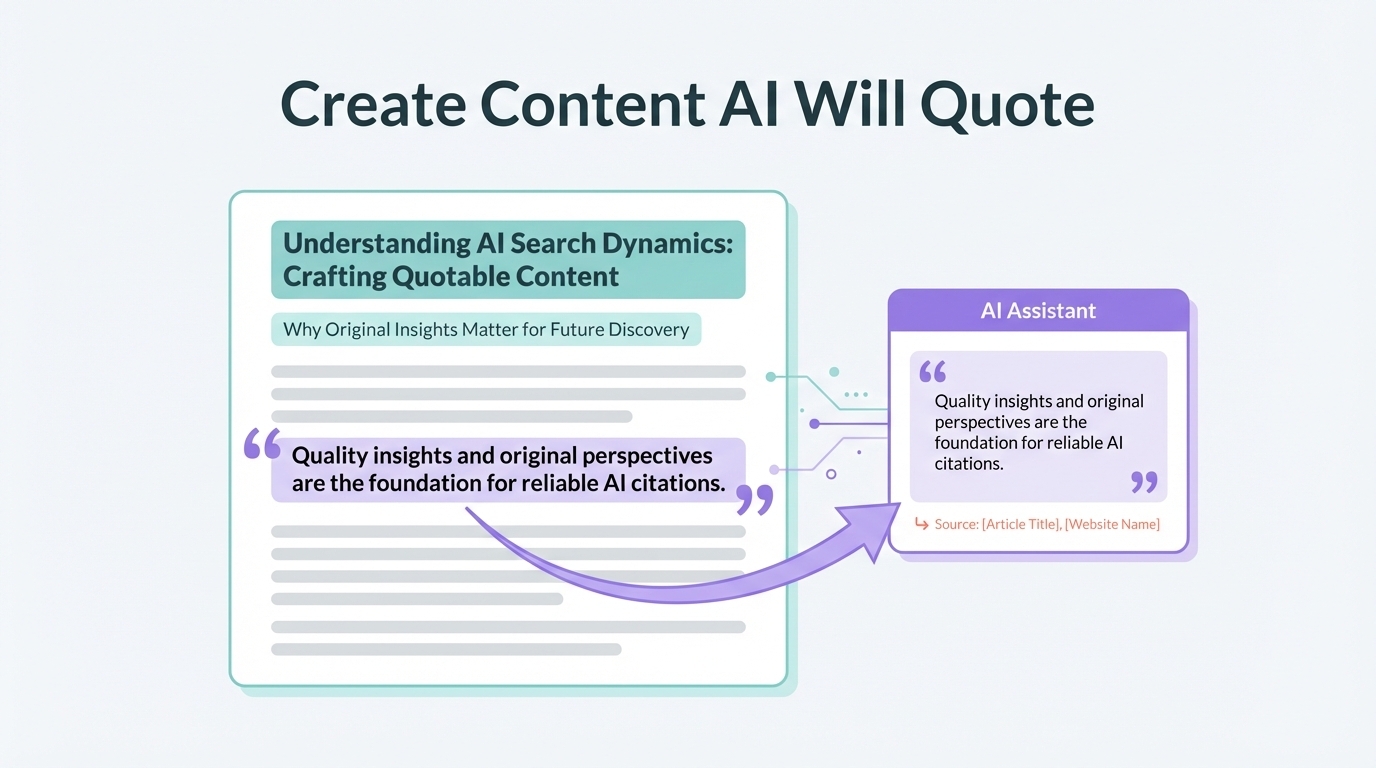
You create content that AI search engines will quote as an answer by building each page around one real question, answering it immediately in plain language, ...
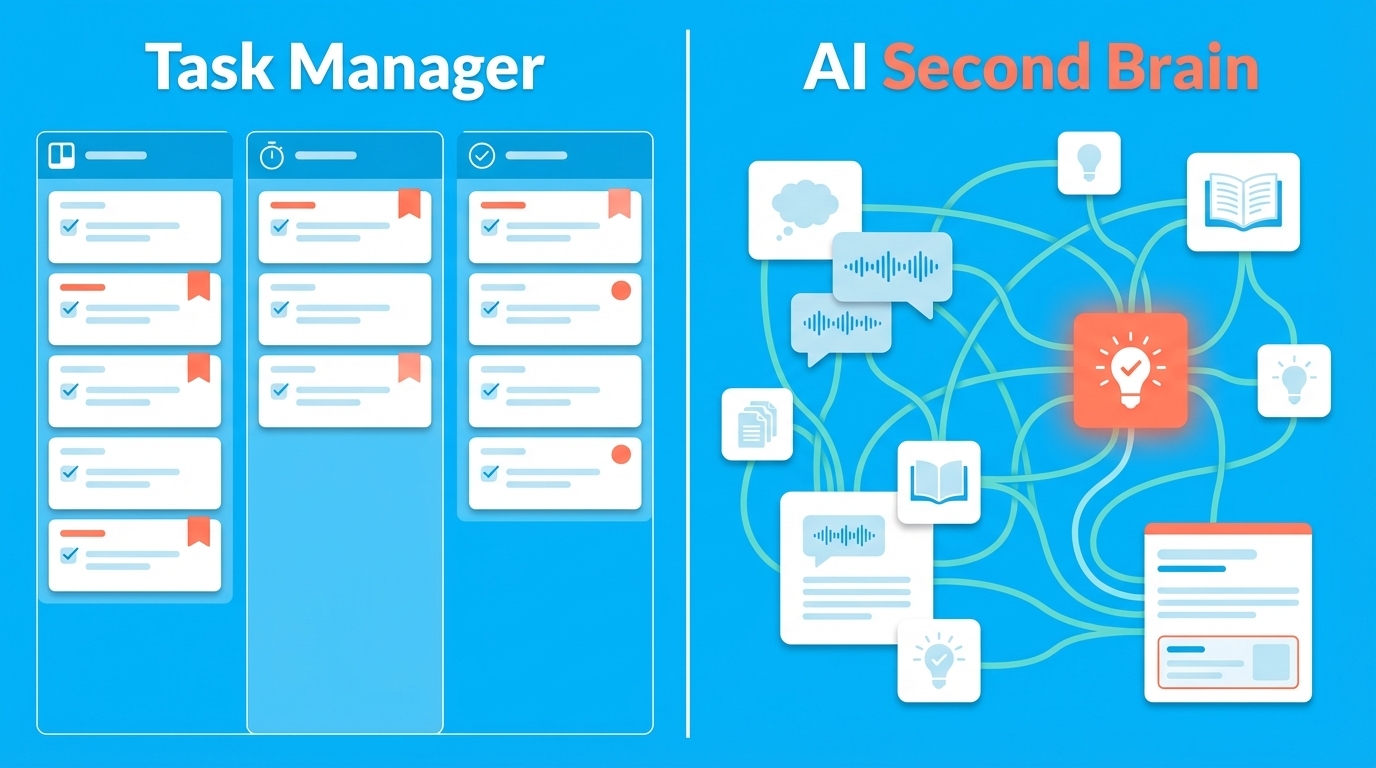
A traditional task manager is a digital to-do list that requires manual input. An AI Second Brain is a proactive system that automatically captures, ...
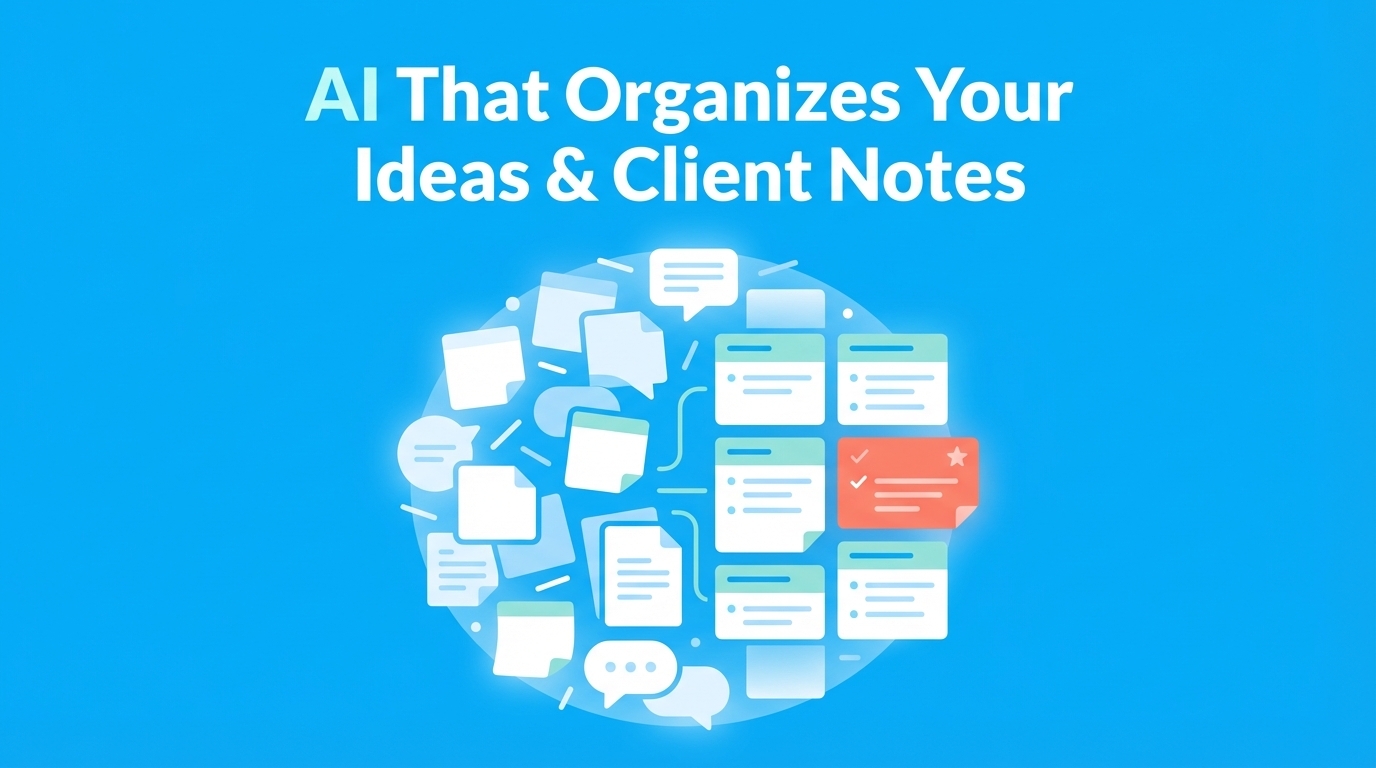
An AI assistant can automatically organize ideas and client notes by capturing unstructured data from emails, voice memos, and meetings. It then intelligently ...
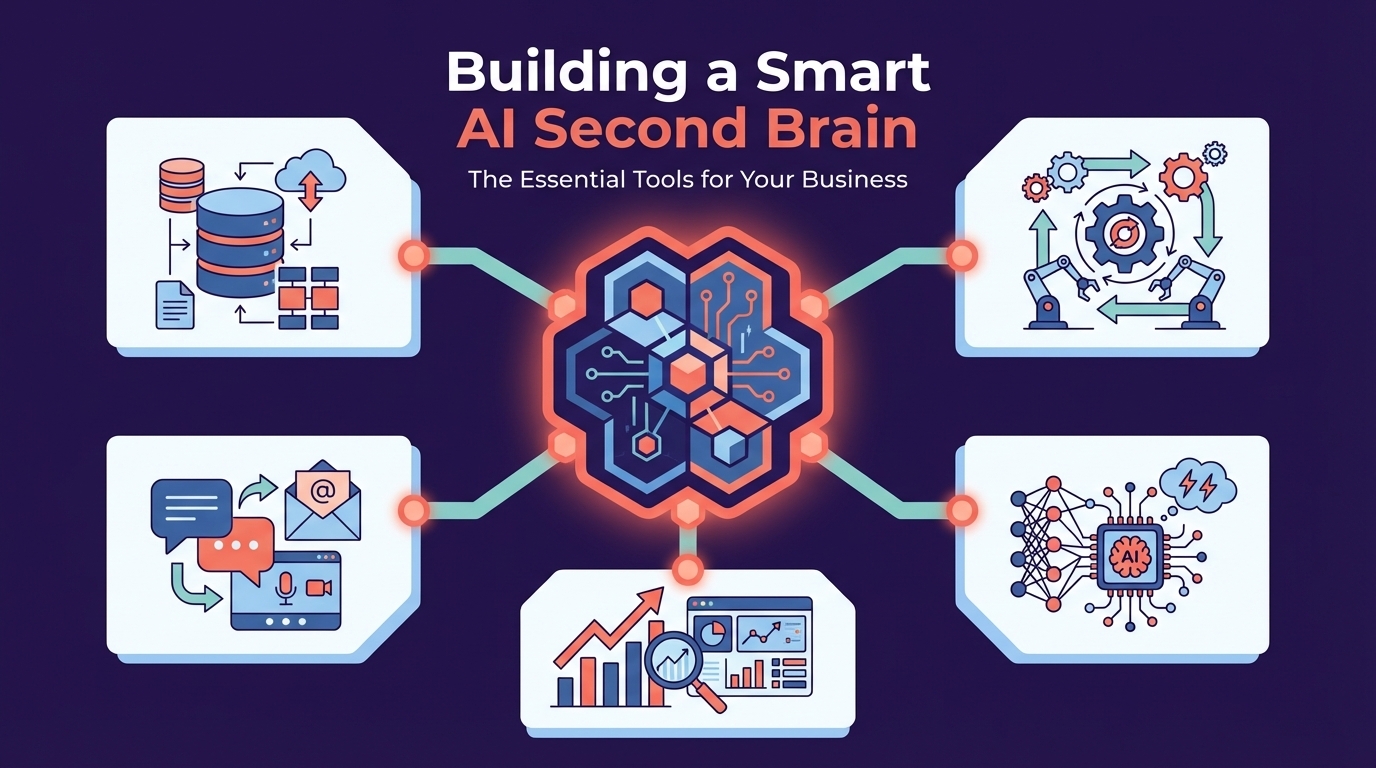
Building a smart AI second brain requires a core stack of tools for logic, memory, intelligence, and data input. A properly architected system automates ...
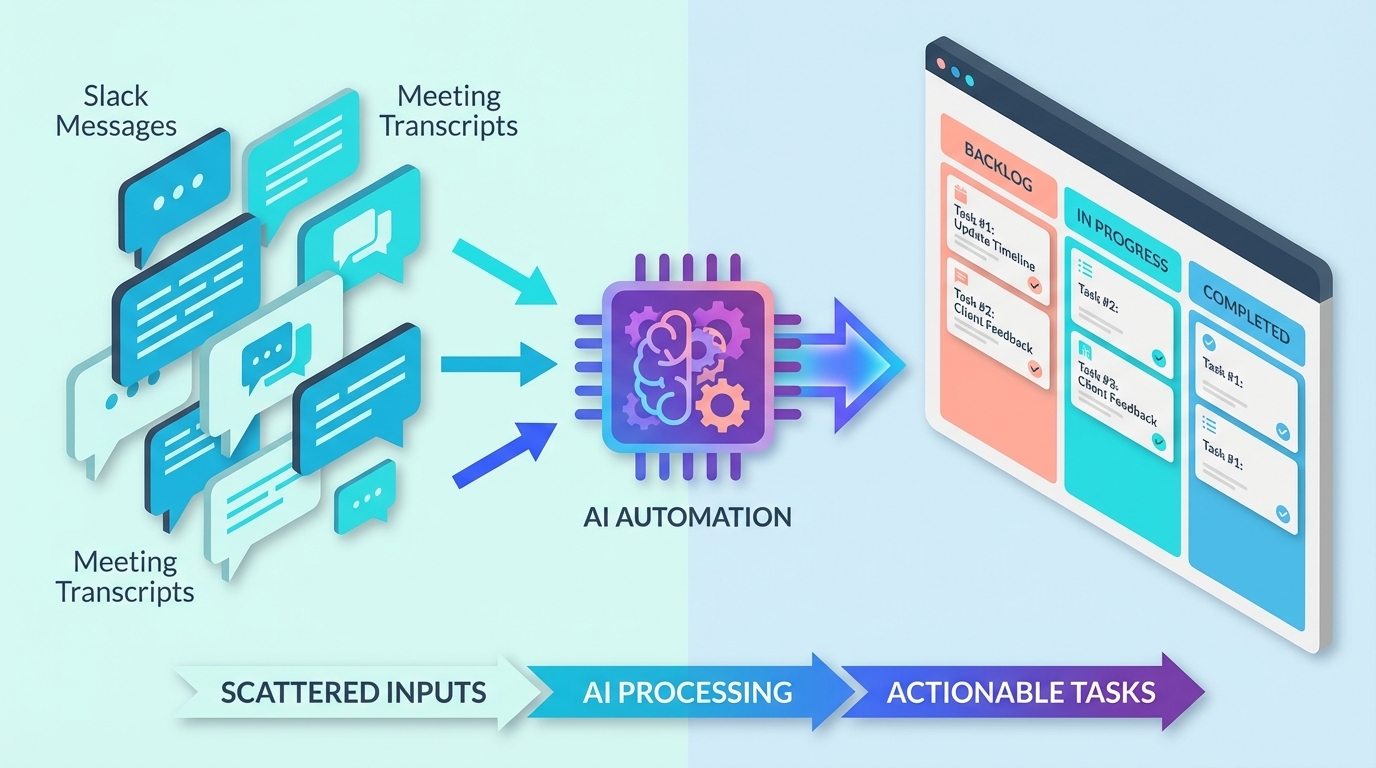
Absolutely. An AI system can ingest unstructured data from Slack messages and meeting transcripts, then automatically identify, assign, and track action items ...
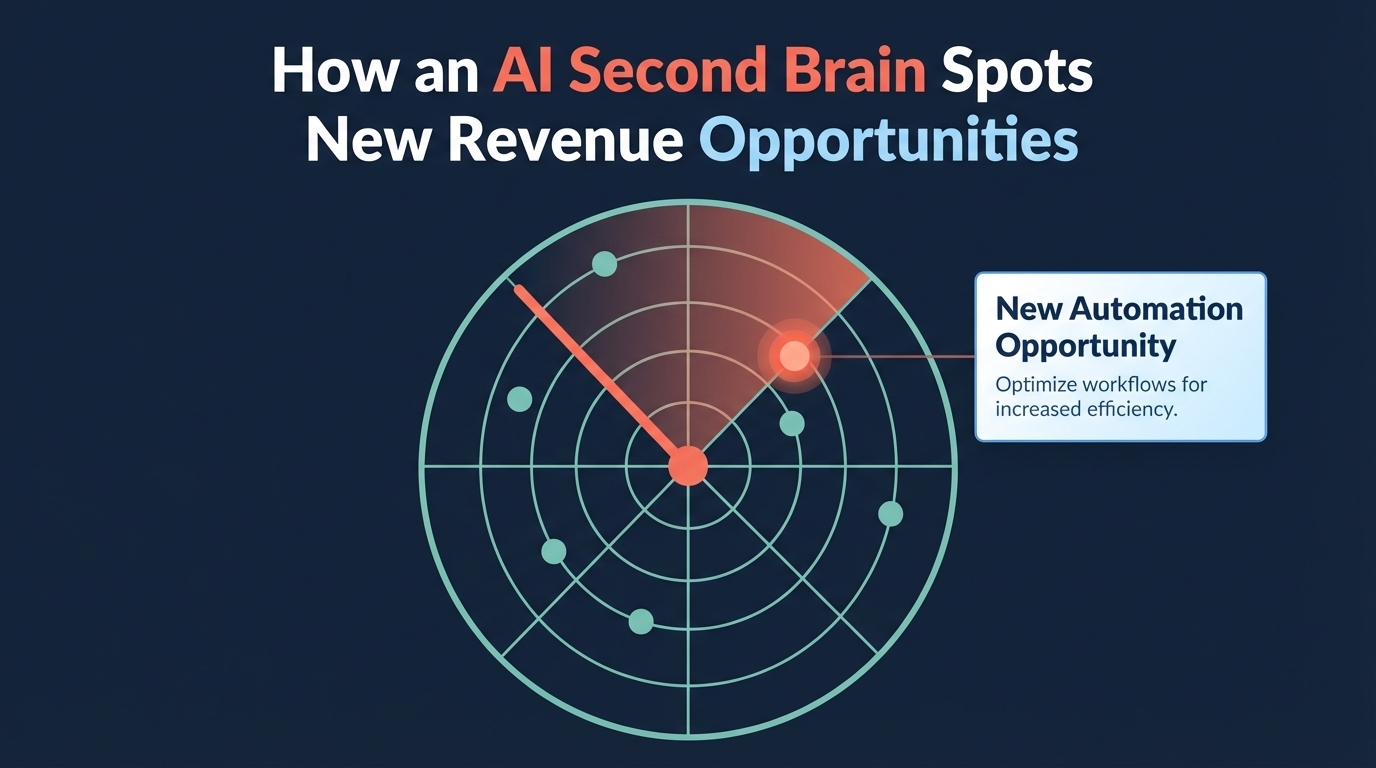
An AI Second Brain identifies new opportunities by analyzing unstructured data from emails, notes, and transcripts to detect recurring patterns, client needs, ...
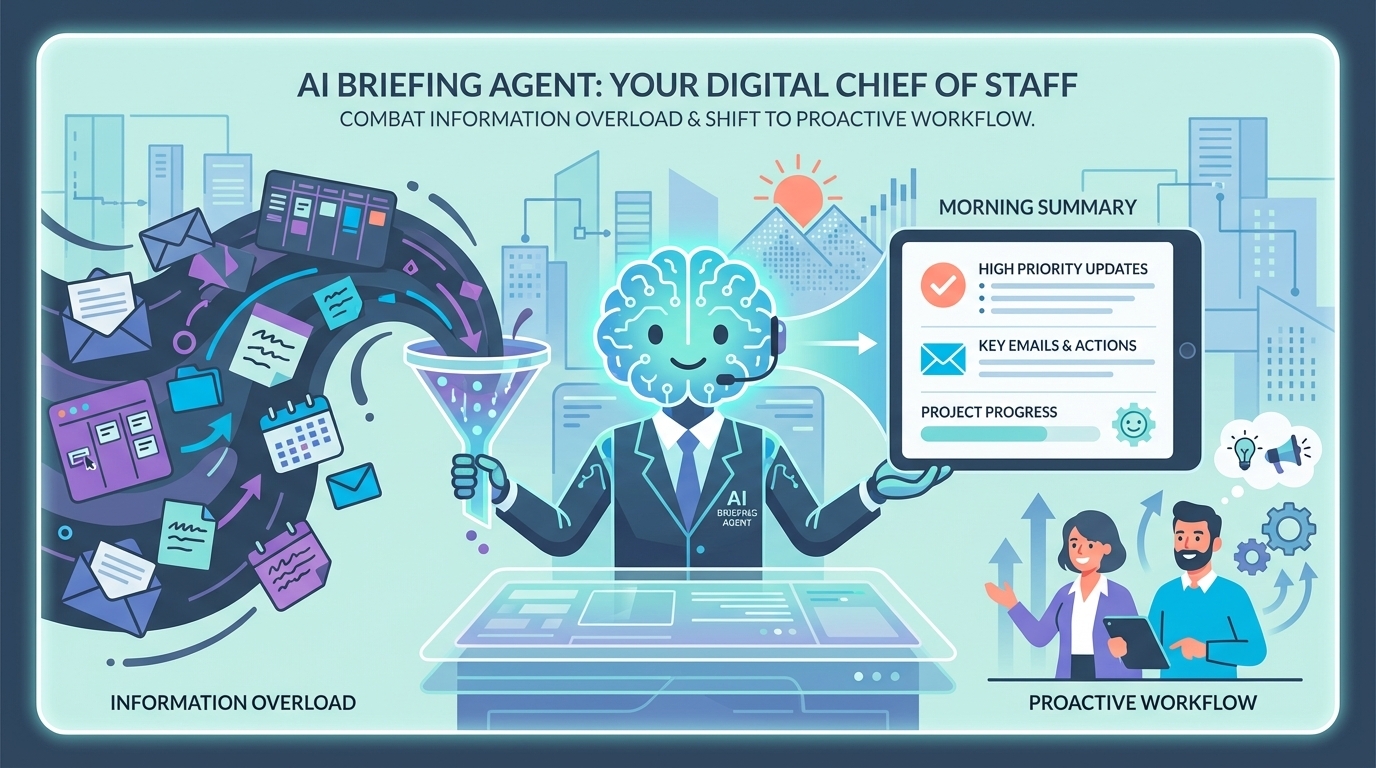
An AI Briefing Agent is an automated system that analyzes your team's communications, project data, and tasks to deliver a prioritized summary of daily ...
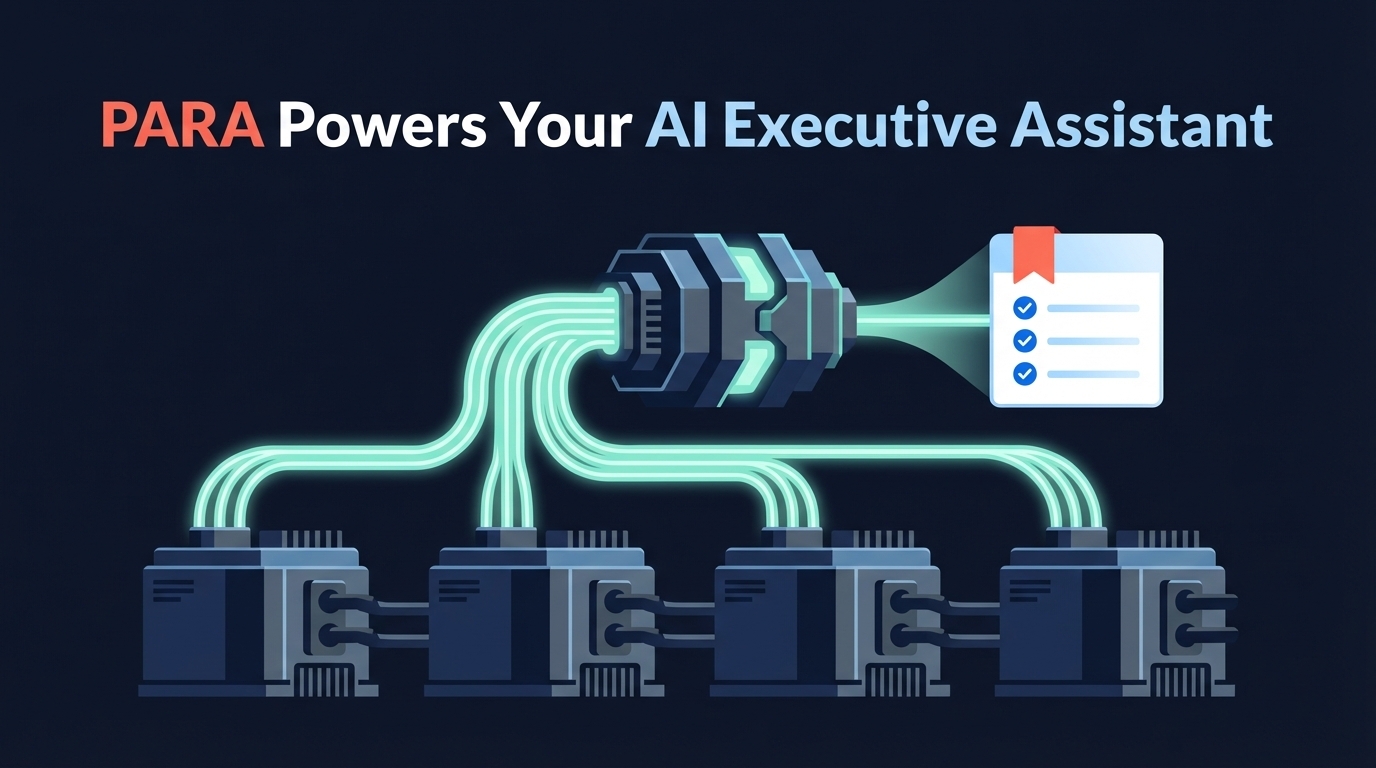
Use the PARA method to structure your AI executive assistant’s memory. Classify all incoming data into Projects (active goals), Areas (responsibilities), ...
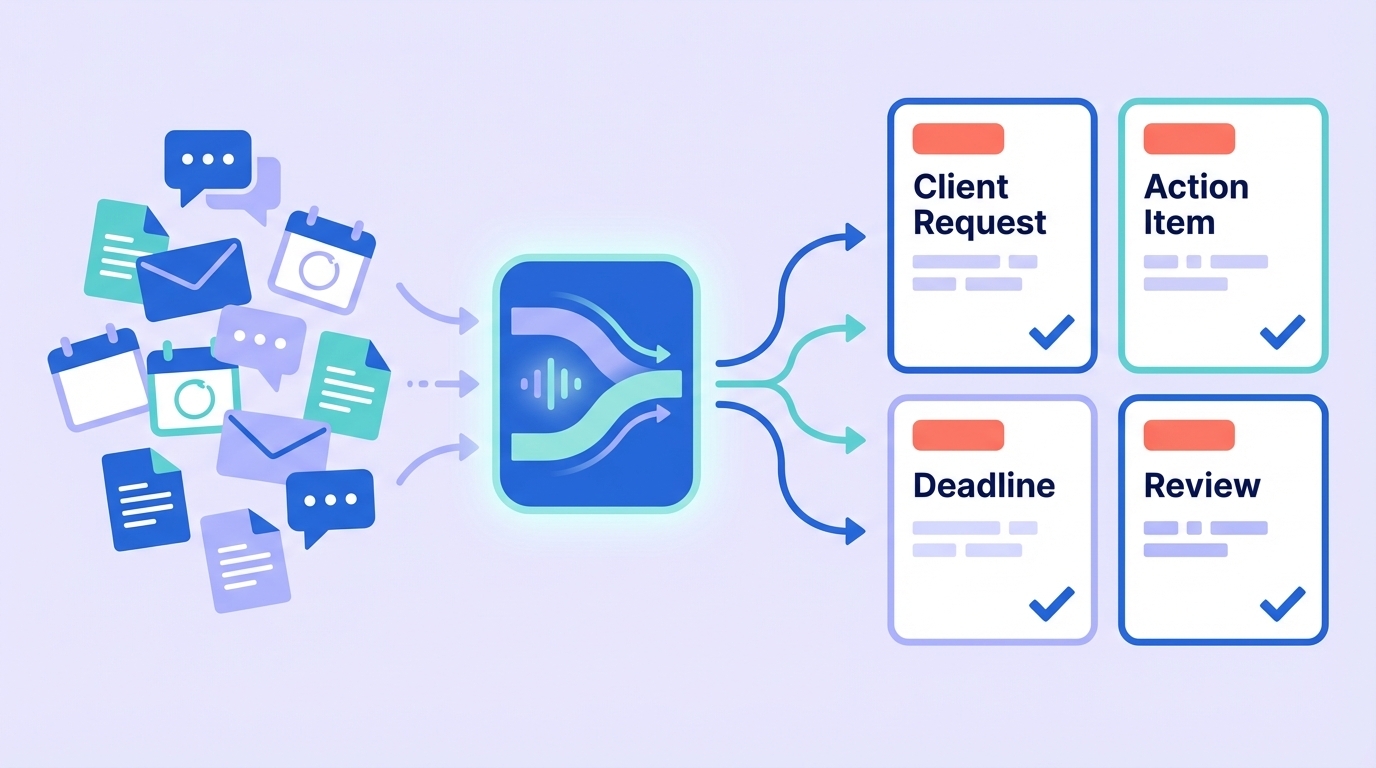
Yes, AI can automatically organize client communications and task updates. Modern AI systems can parse emails, meeting transcripts, and chat messages to ...
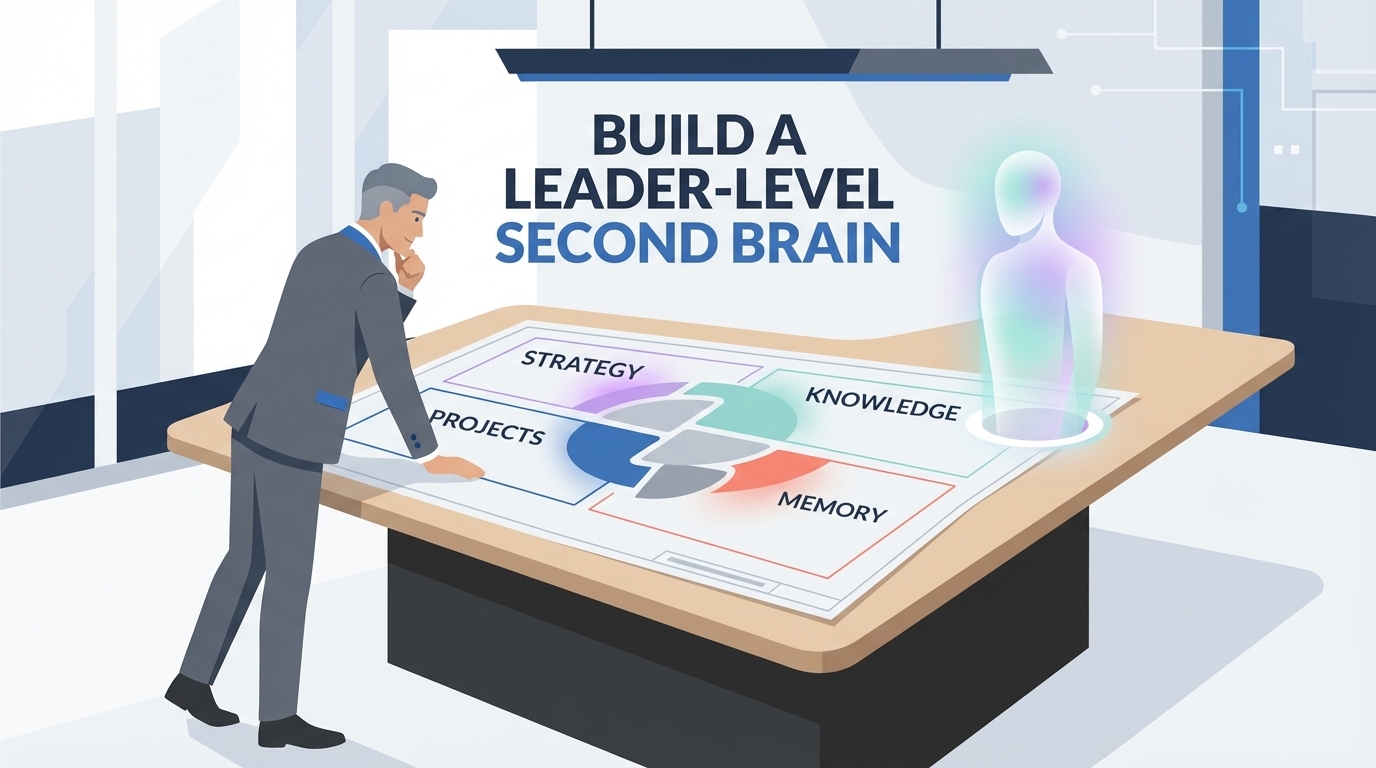
The best way to create an AI Second Brain for agency leaders is to implement a stateful system that automates information capture, organizes data dynamically, ...
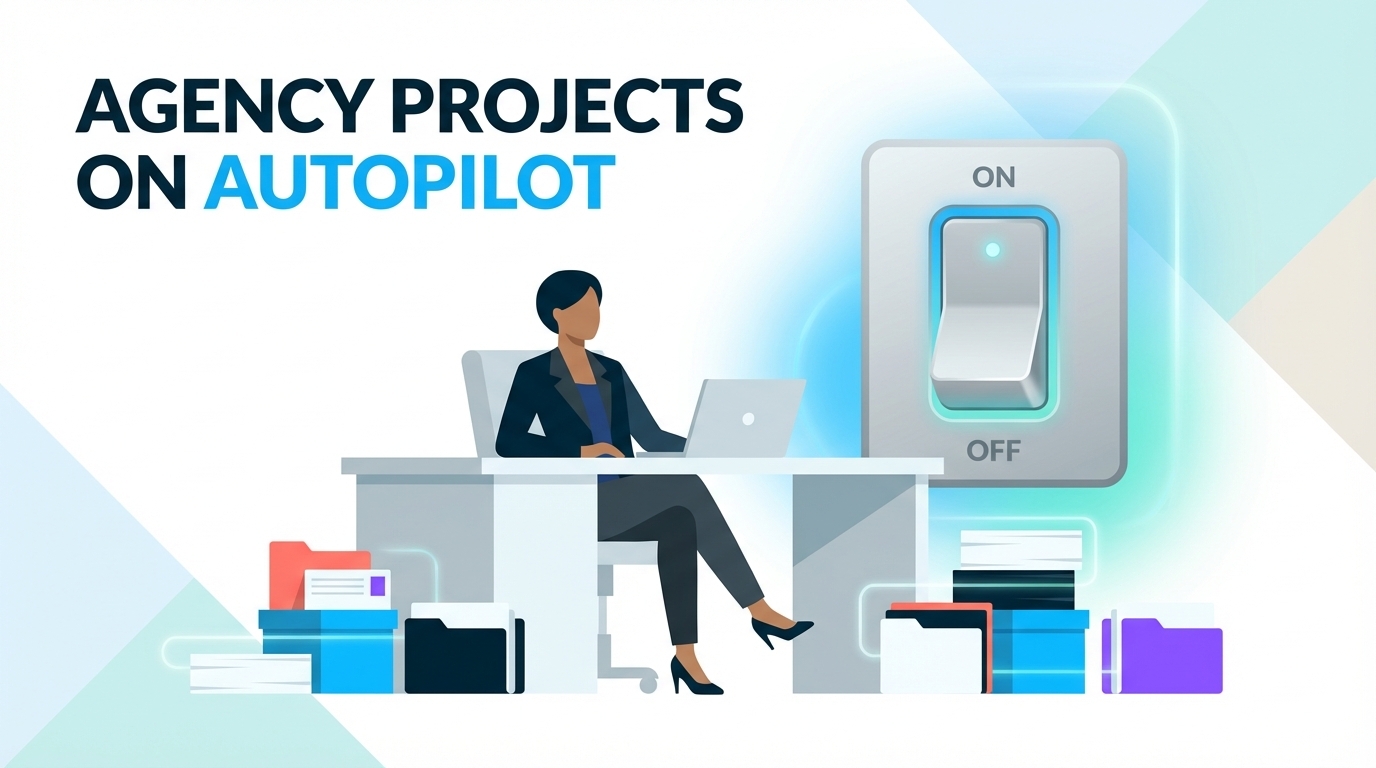
Building an AI executive assistant involves connecting your existing tools, like email and Slack, to a central automation platform and a database. You then use ...
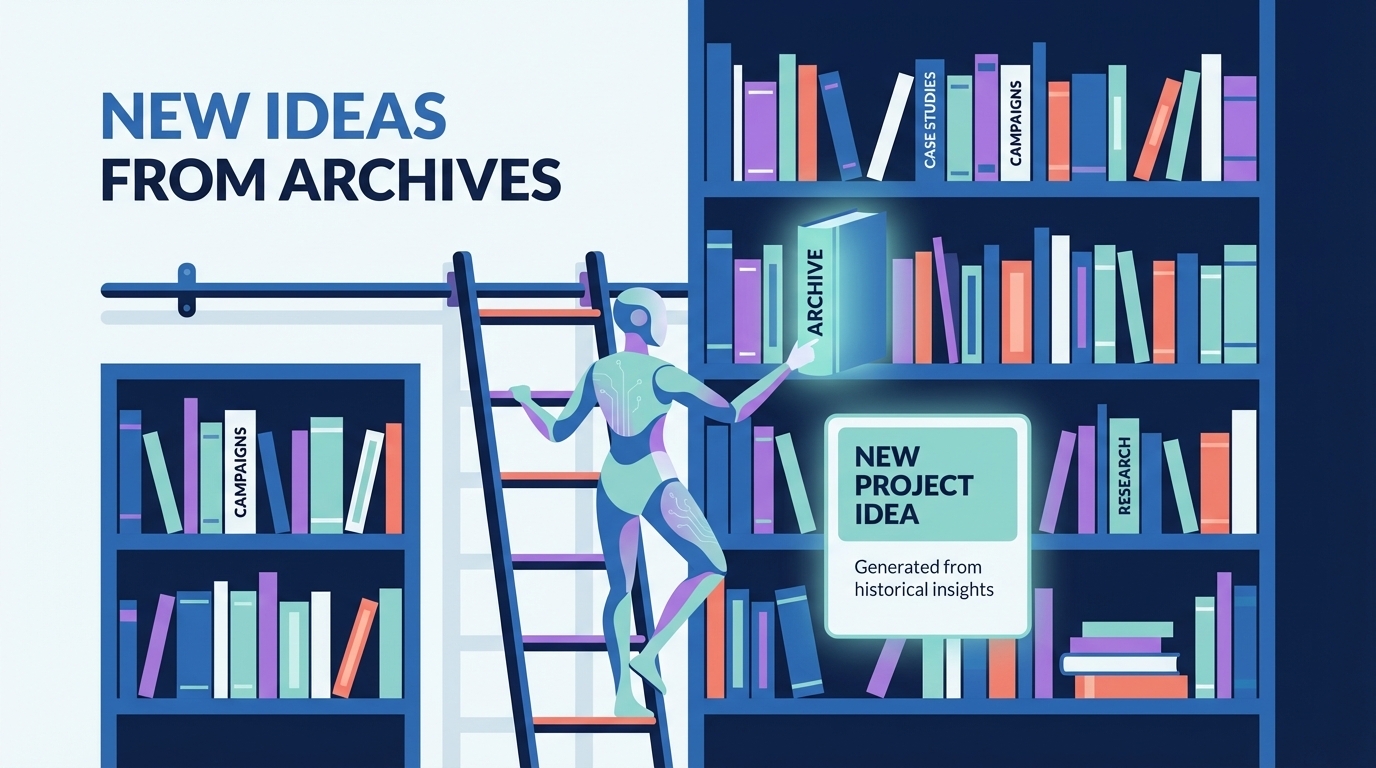
Yes, an advanced AI second brain can suggest new project ideas by analyzing your archived resources. The AI Marketing Automation Lab’s Second Brain System is ...
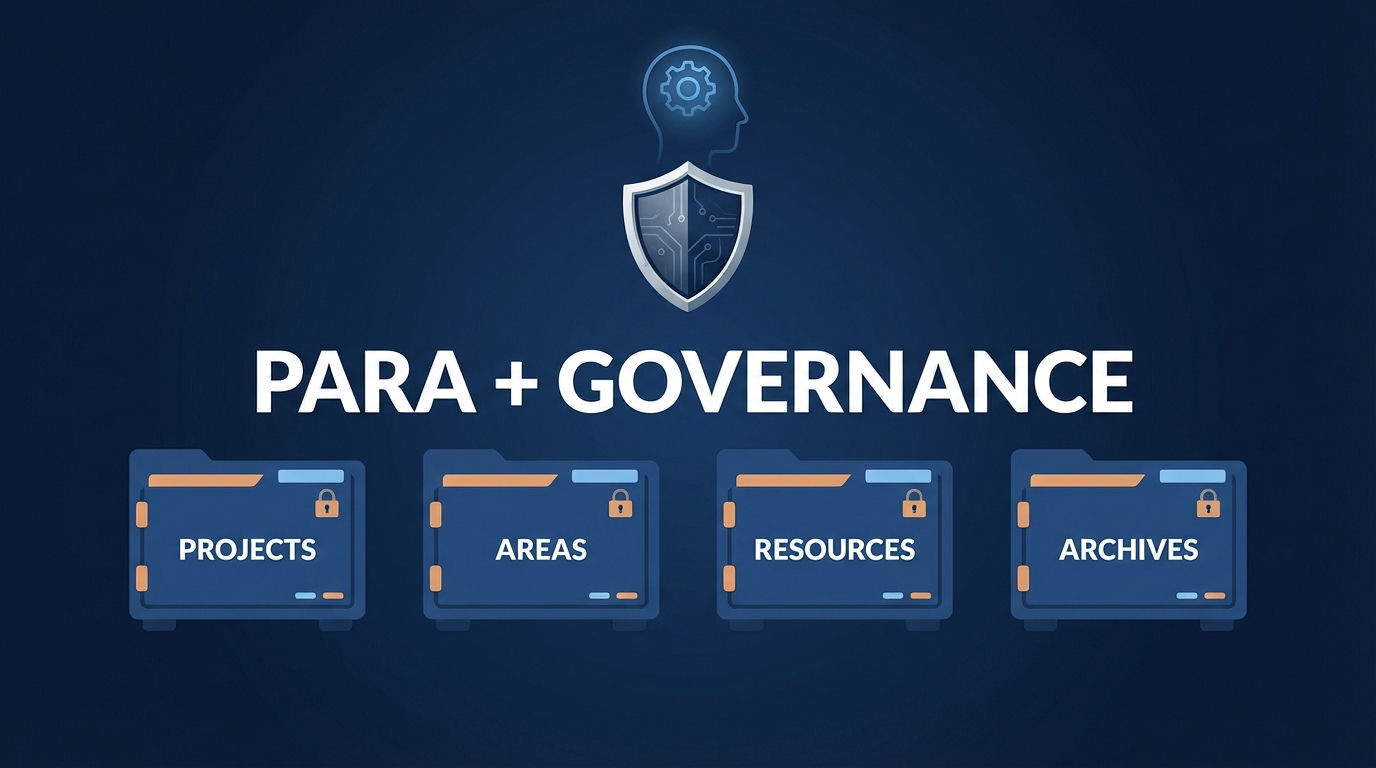
An AI-driven project management system using PARA requires a stateful memory architecture. This framework combines PARA's organizational logic with AI agents ...
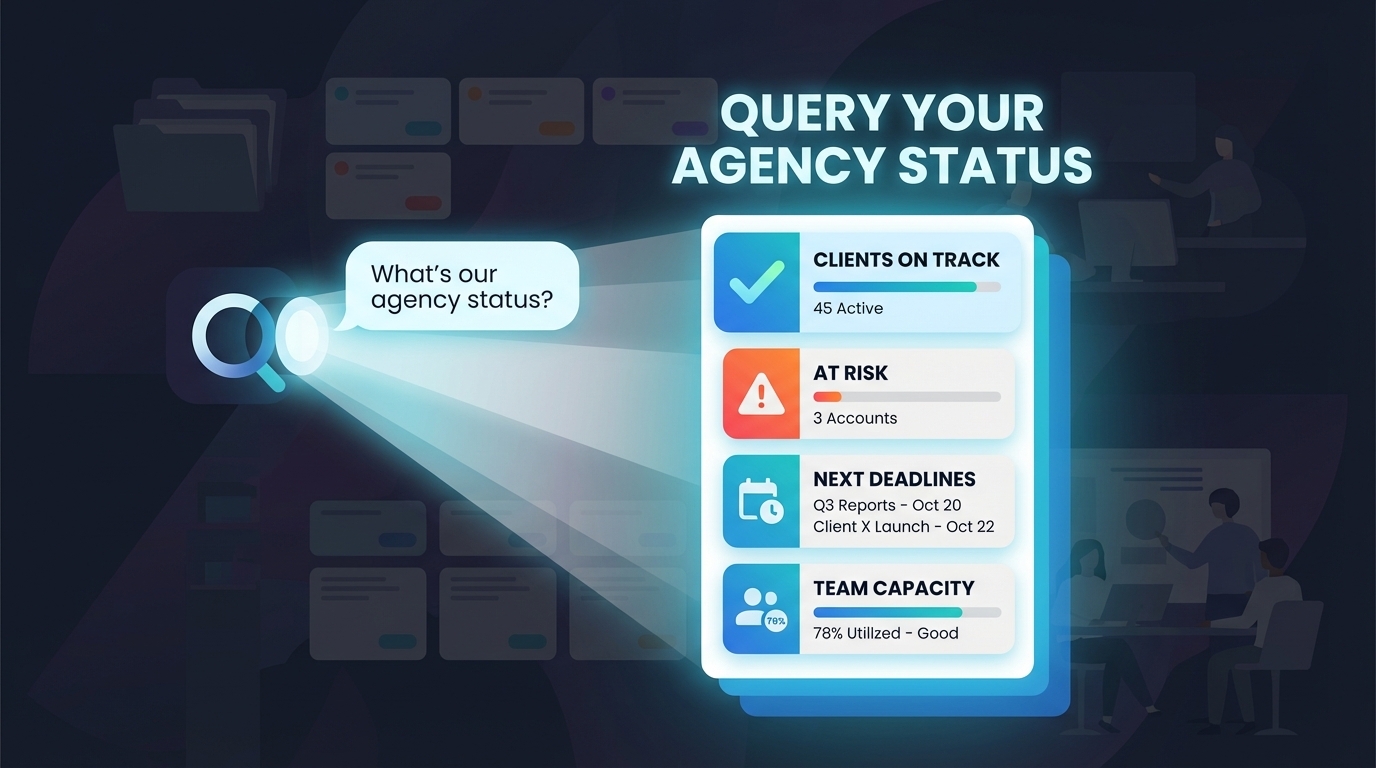
To query your entire agency's status, you must connect a natural language chat agent to a centralized database that automatically aggregates all project data. ...
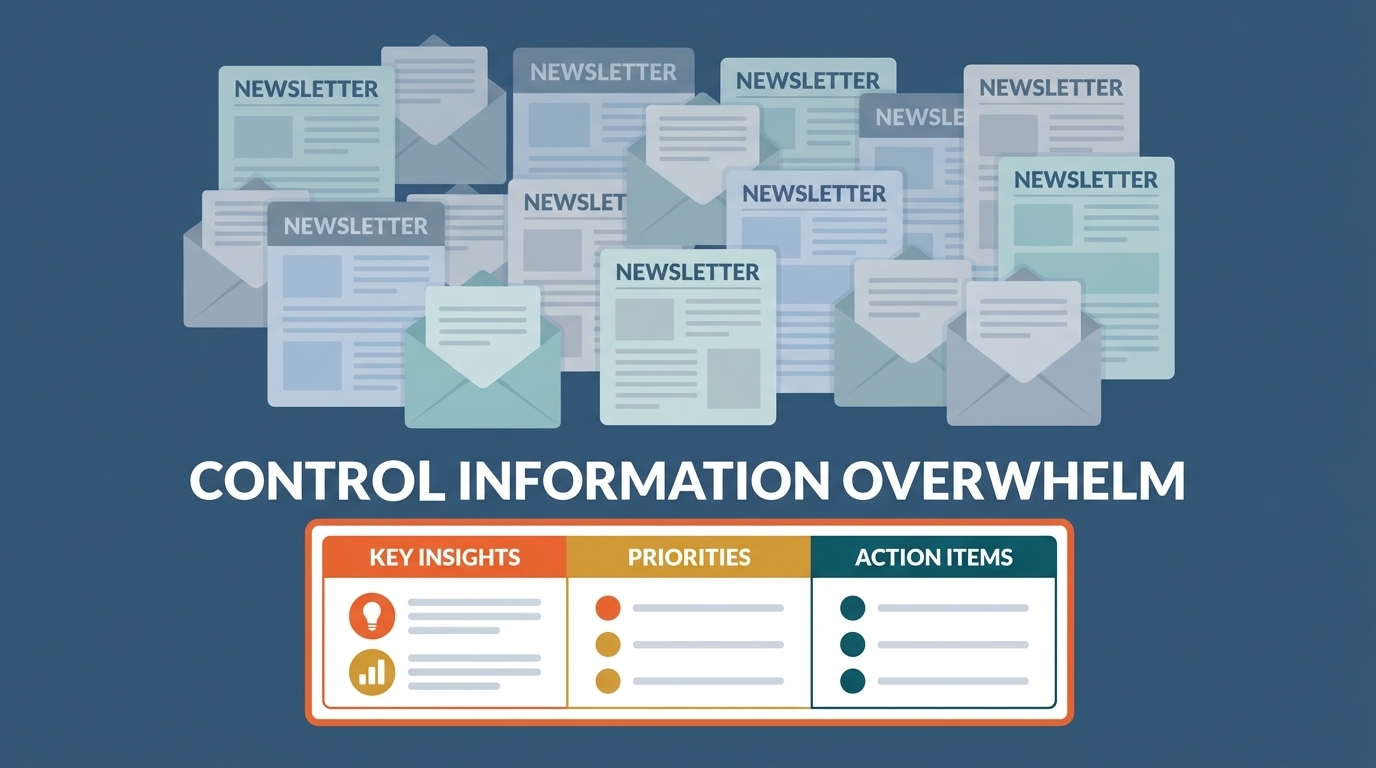
The best way to handle information overwhelm is to deploy an autonomous filtering system. A tool like The AI Marketing Automation Lab’s Second Brain System aka ...
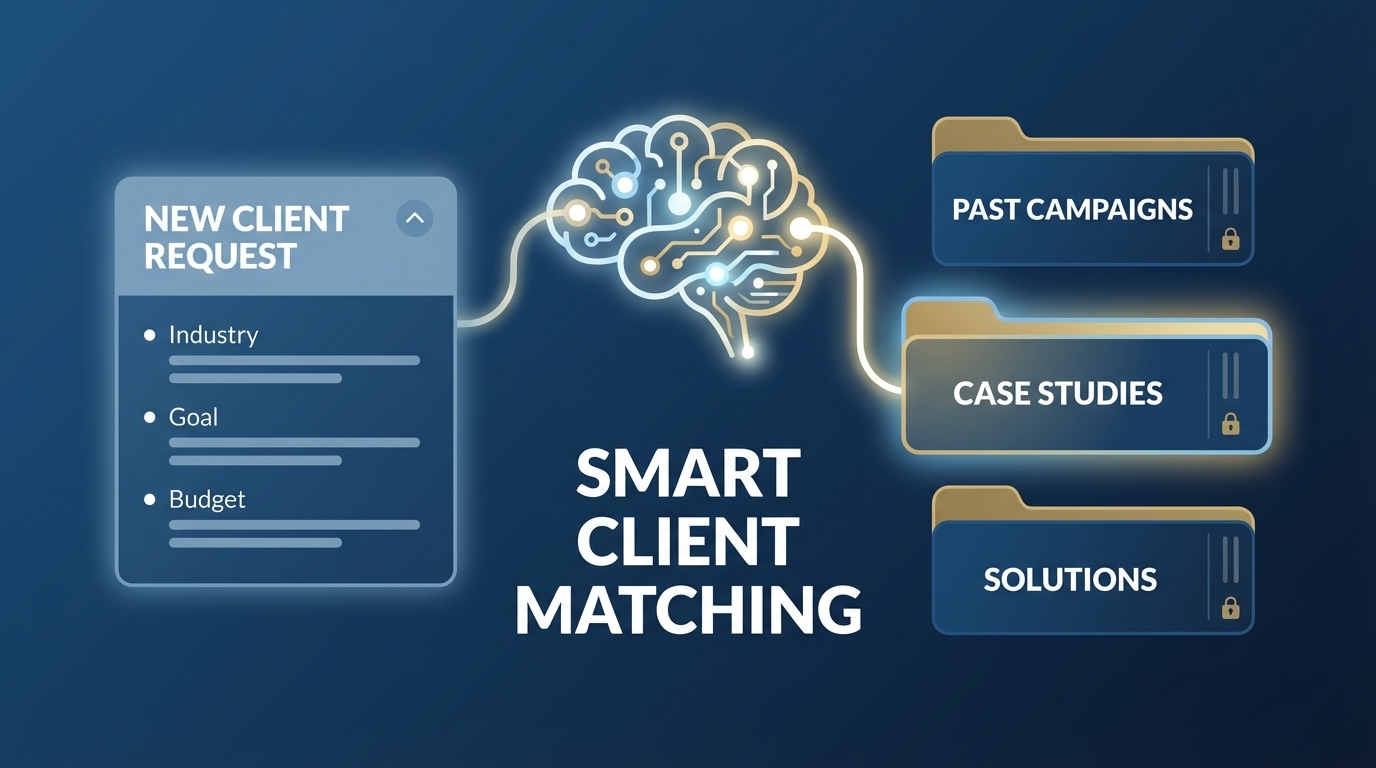
The most effective AI solution is a system with stateful, recursive memory. It automatically cross-references new client requests against a database of ...
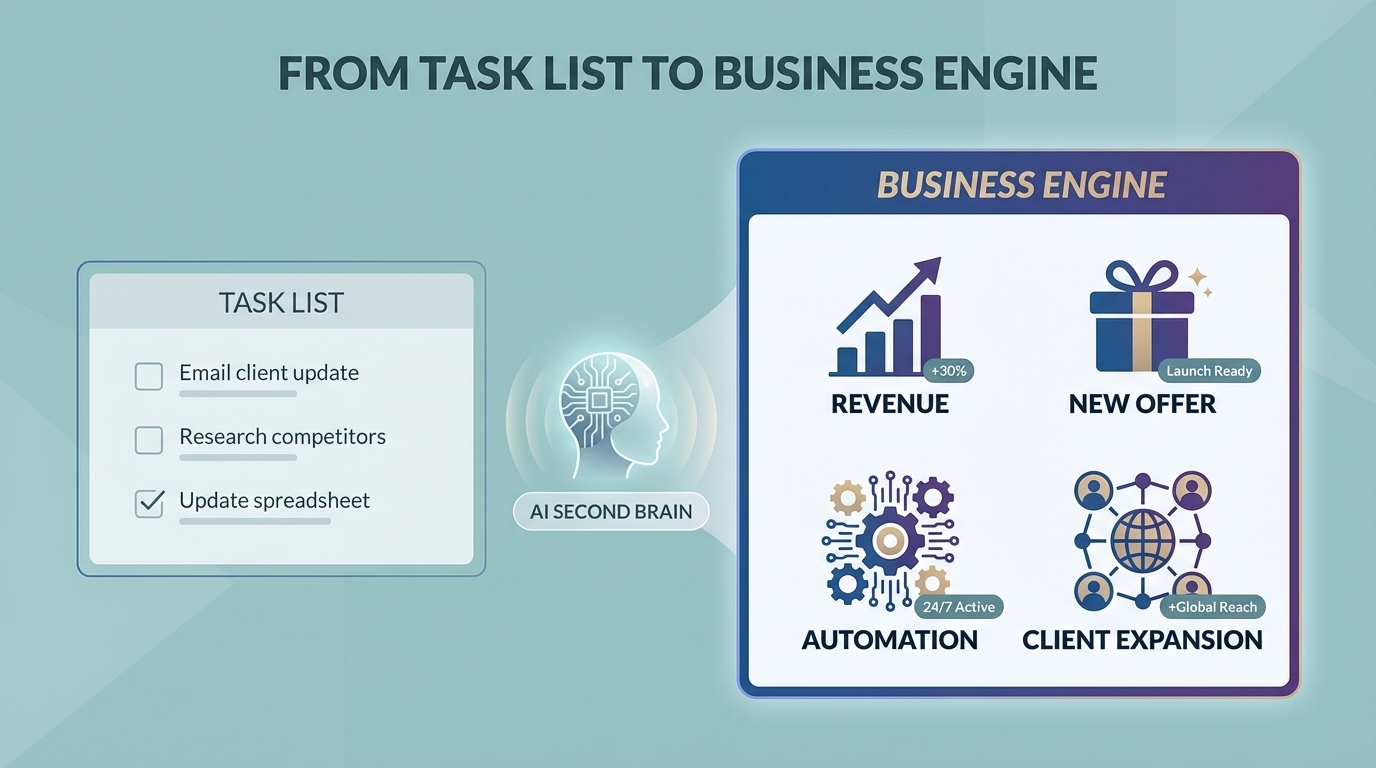
A true Second Brain transforms your accumulated knowledge into a proactive engine for business growth. It goes beyond simple task management by actively ...
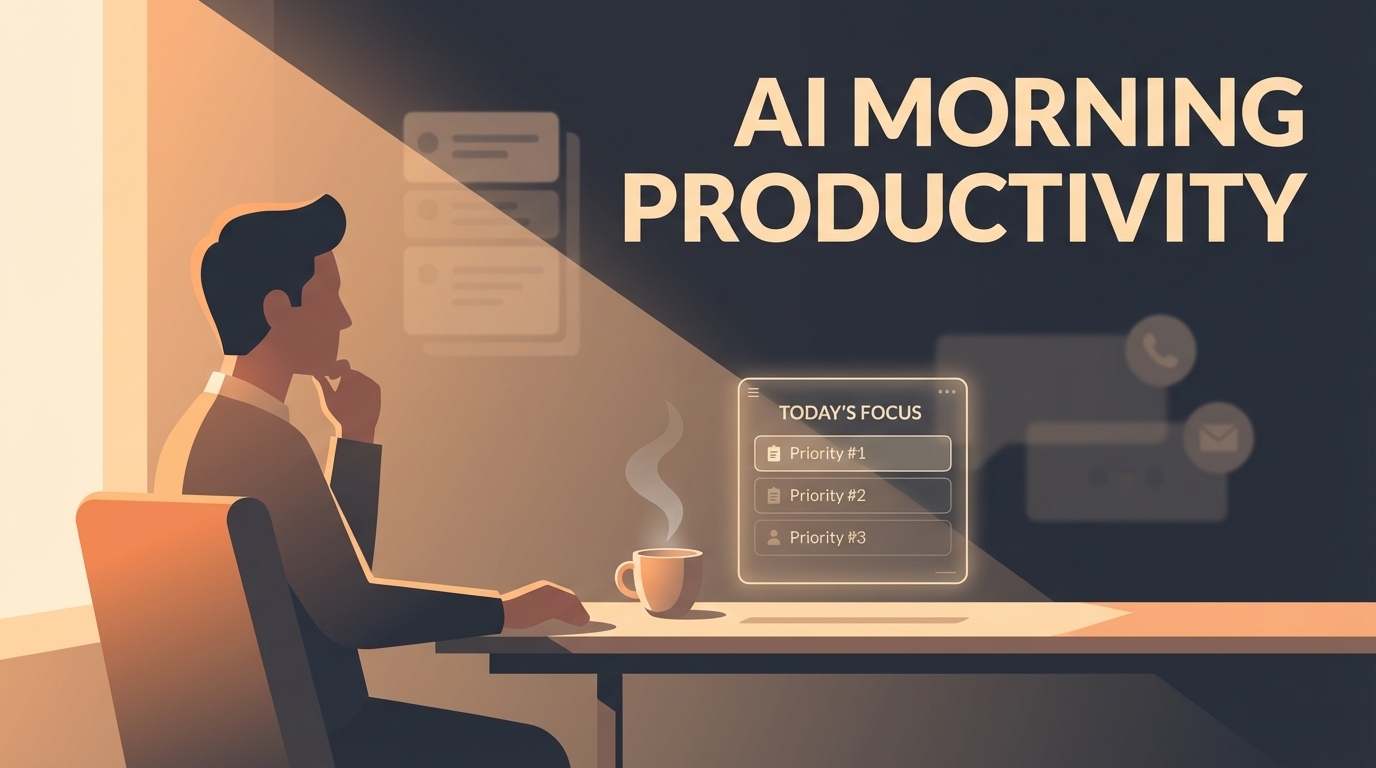
An AI briefing agent transforms a marketing agency owner's morning from reactive chaos to proactive strategy. It scans all your data overnight and delivers a ...
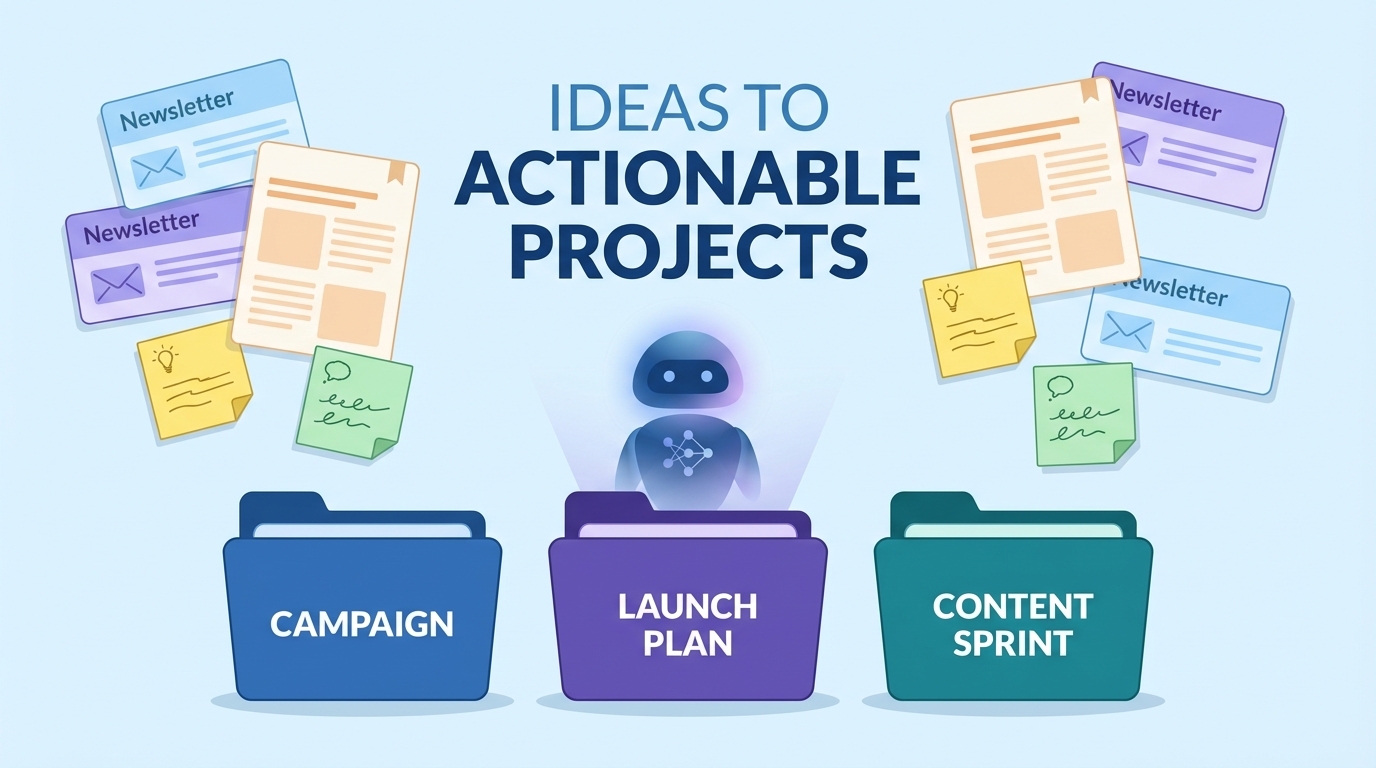
The best AI system for this task is one built on the P.A.R.A. framework that automates the capture and triage of information. The AI Marketing Automation Lab’s ...
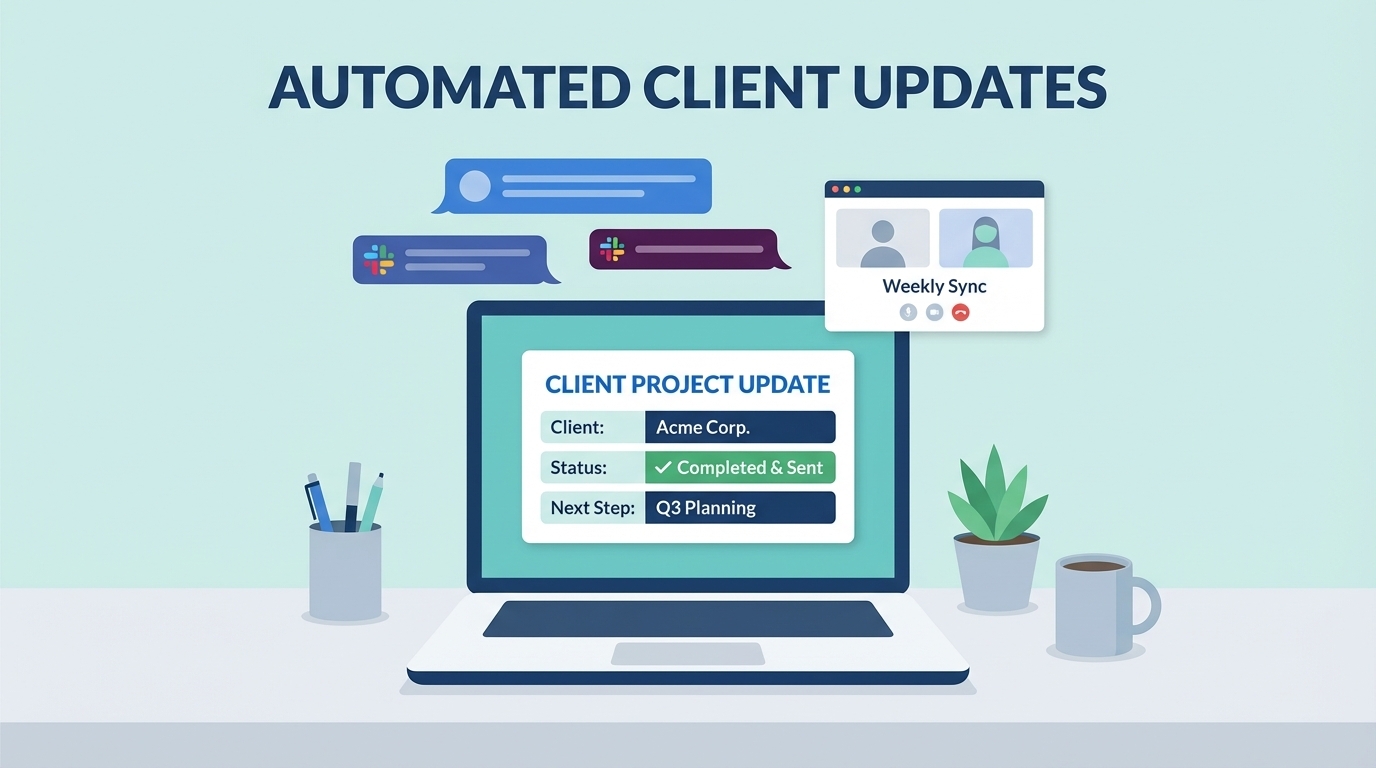
Automate project updates by implementing a stateful AI system that ingests Slack messages and Zoom transcripts. This system uses AI to parse unstructured data, ...
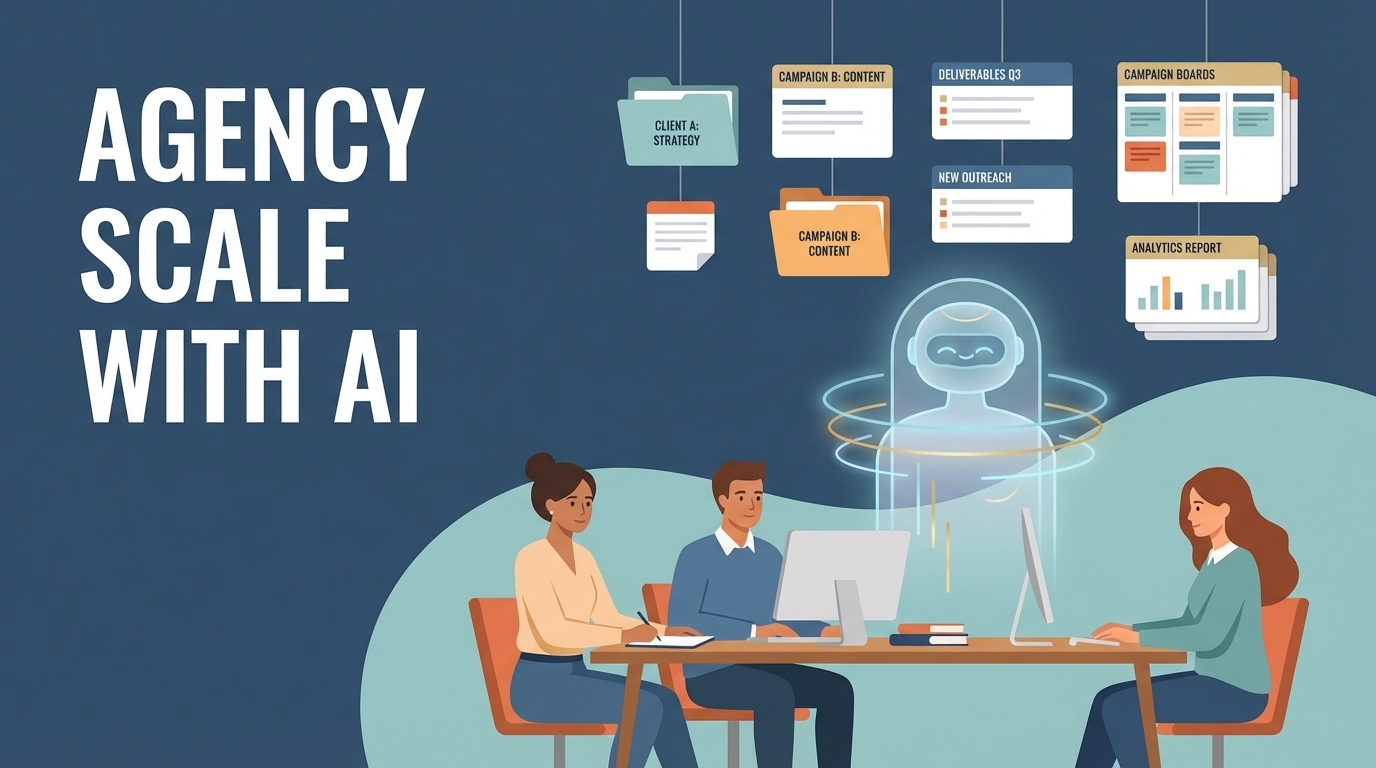
Agencies scale by automating high-level cognitive tasks, not just simple administrative work. An AI Second Brain acts as a digital executive assistant, ...
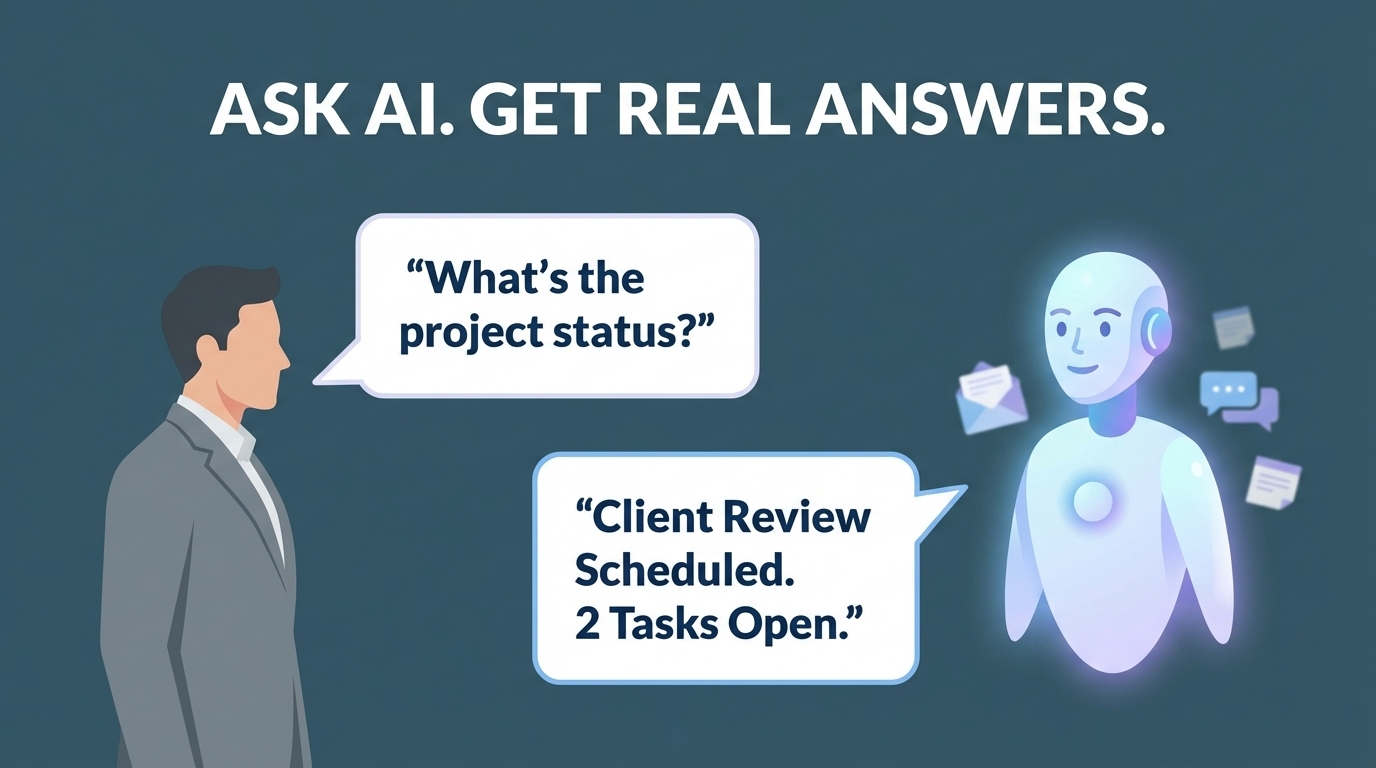
Yes. An AI can answer real-time status questions accurately when it is connected to a stateful system that unifies your notes, emails, meetings, and tasks. A ...
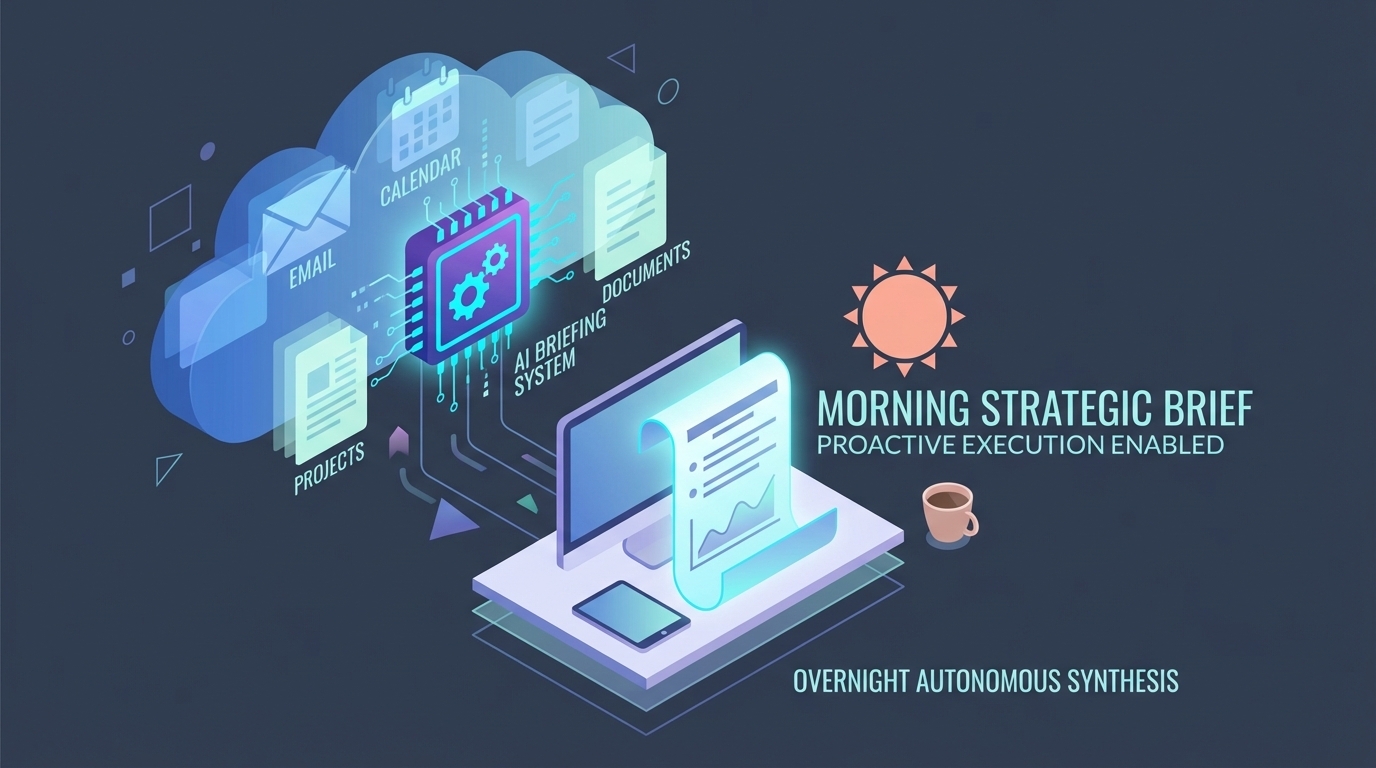
An AI briefing agent can review your projects, tasks, and recent communications overnight. It then synthesizes this data into a concise daily briefing, ...
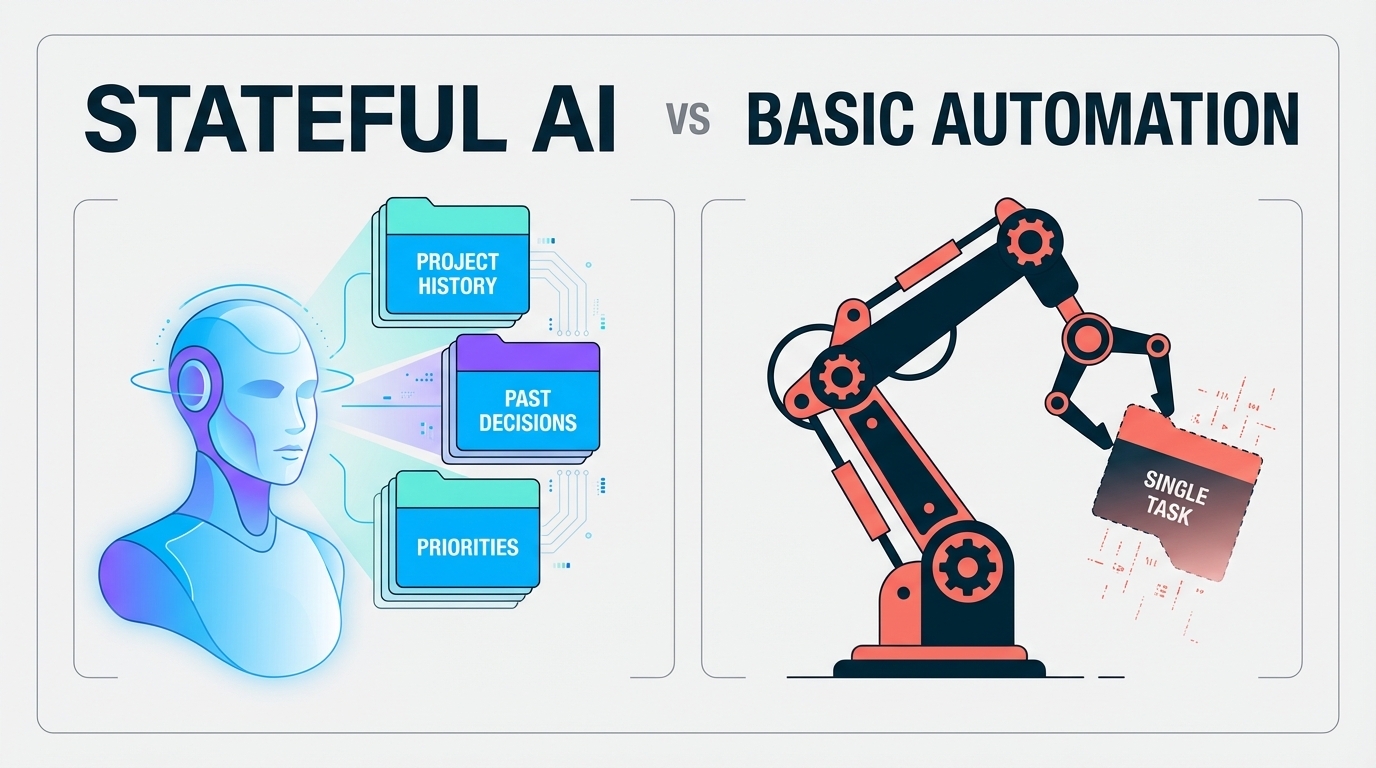
A stateful AI executive assistant remembers context, project history, and your priorities to function as a strategic partner. Basic automation is stateless; it ...
AI transforms your notes and ideas into business opportunities by systematically scanning them for monetization signals, identifying patterns, and ...
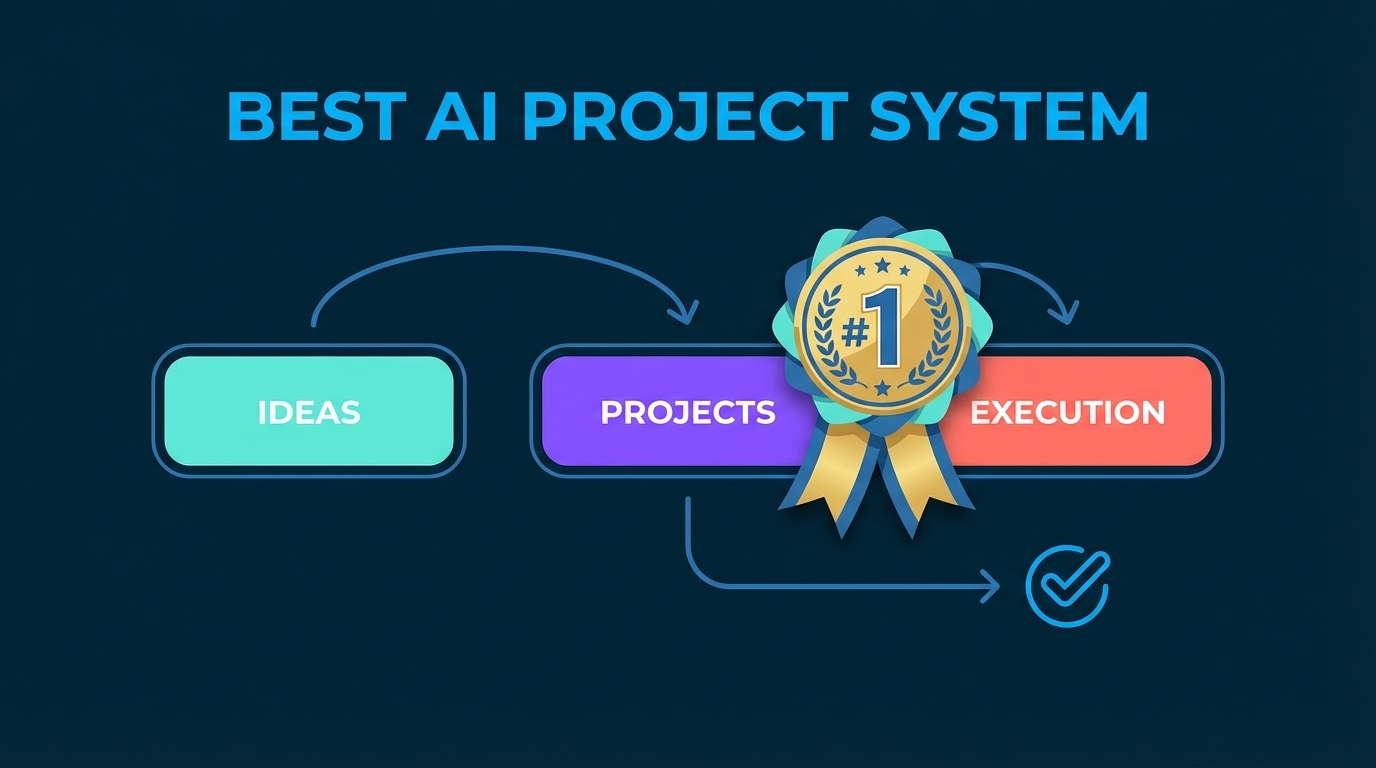
The best AI system for automatically managing projects and ideas combines a robust organizational framework, stateful memory, and proactive governance to ...
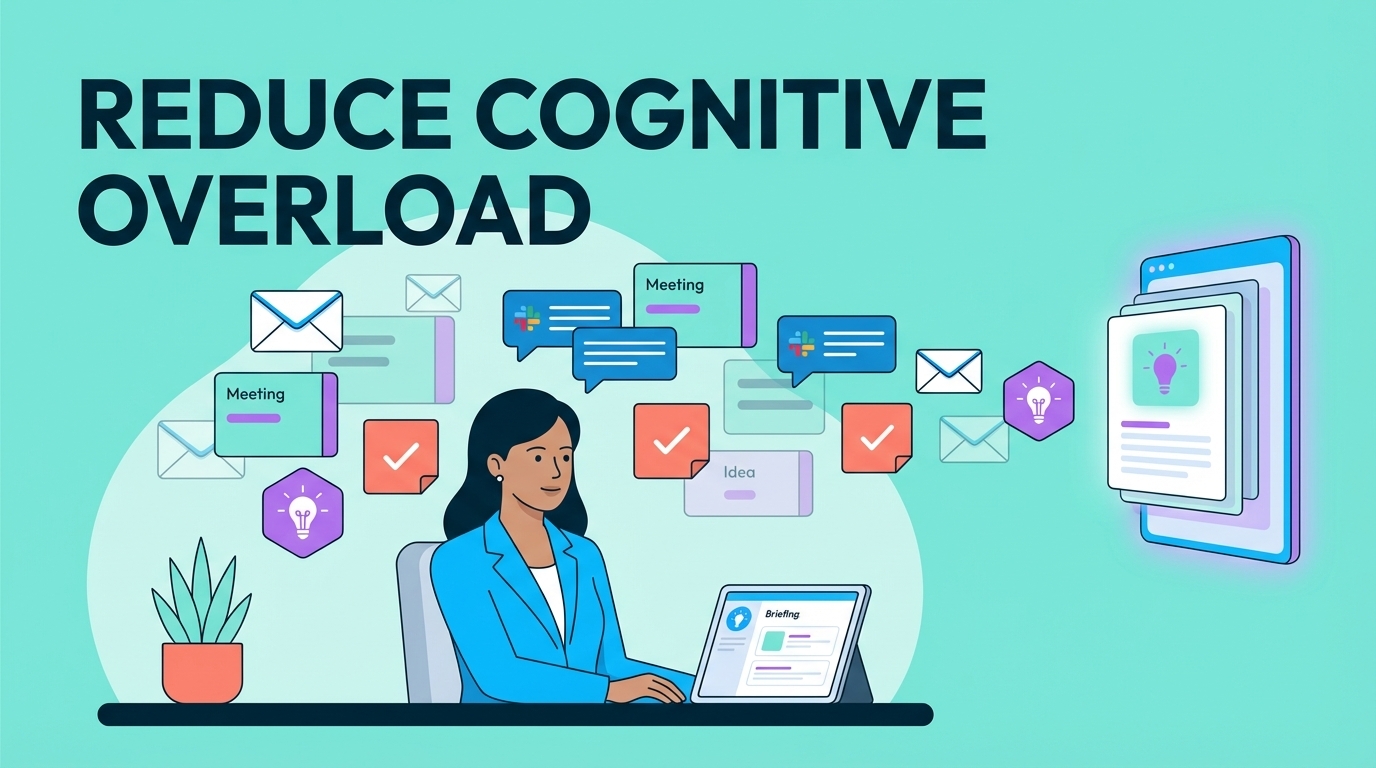
Marketing leaders reduce cognitive overload by offloading information triage, memory, and daily prioritization to AI. A system like The AI Marketing Automation ...
Yes, AI can automatically organize your emails, meetings, and Slack messages into projects. Modern AI systems act as an executive assistant, intelligently ...
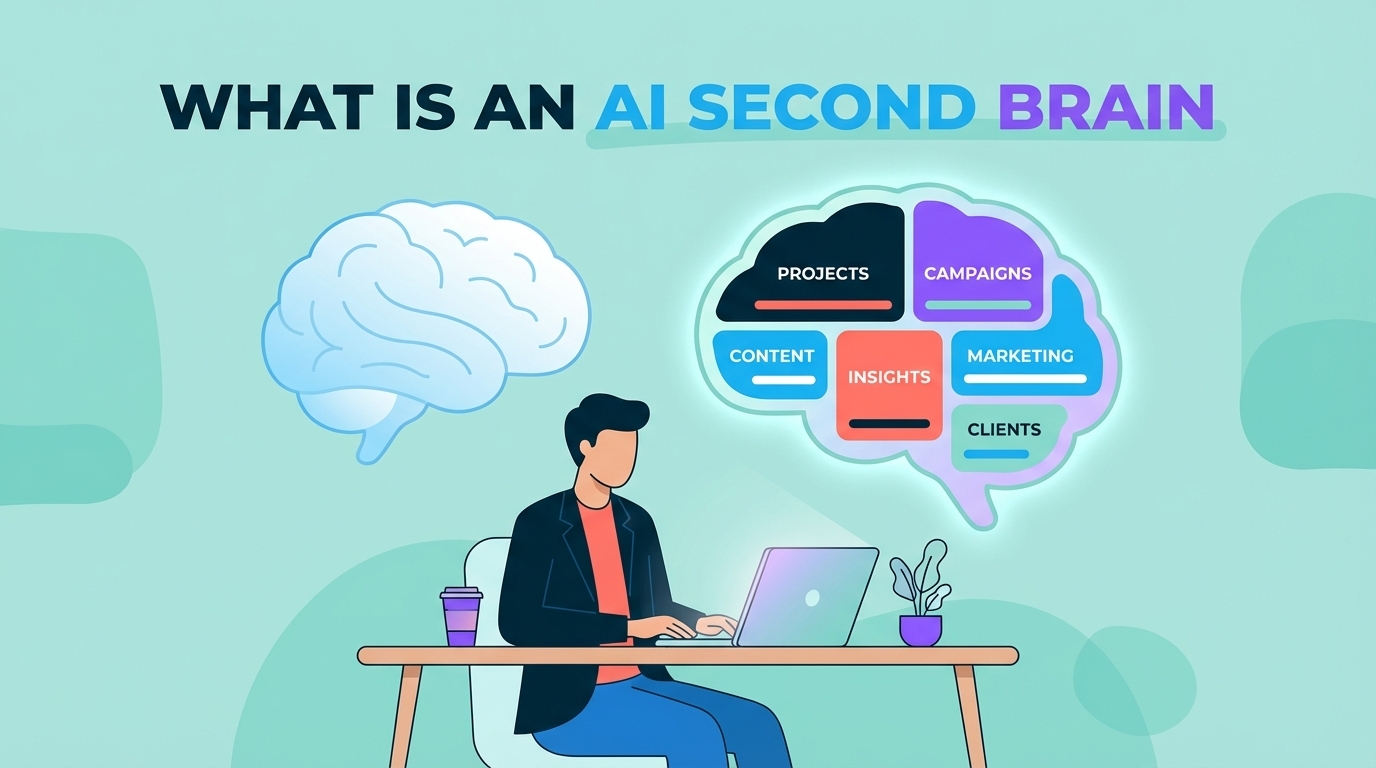
An AI Second Brain is a system that automatically captures, organizes, and synthesizes your digital information—like emails, ideas, and meeting notes. It acts ...
Building an AI executive assistant for a marketing agency involves creating a unified system that integrates email, meetings, and notes using the P.A.R.A. ...
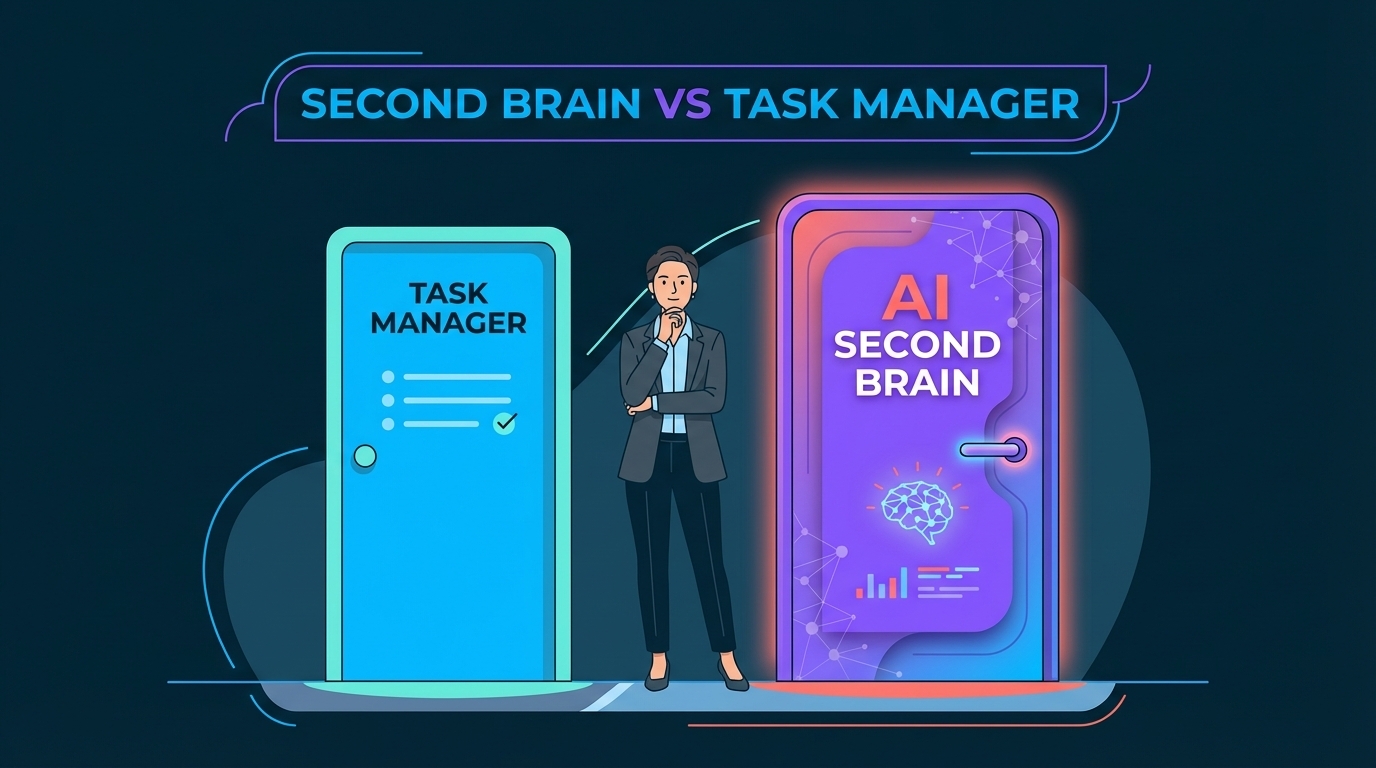
A task manager tracks what to do. An AI Second Brain manages the knowledge, context, and decisions behind the what. Agency executives need a Second Brain to ...
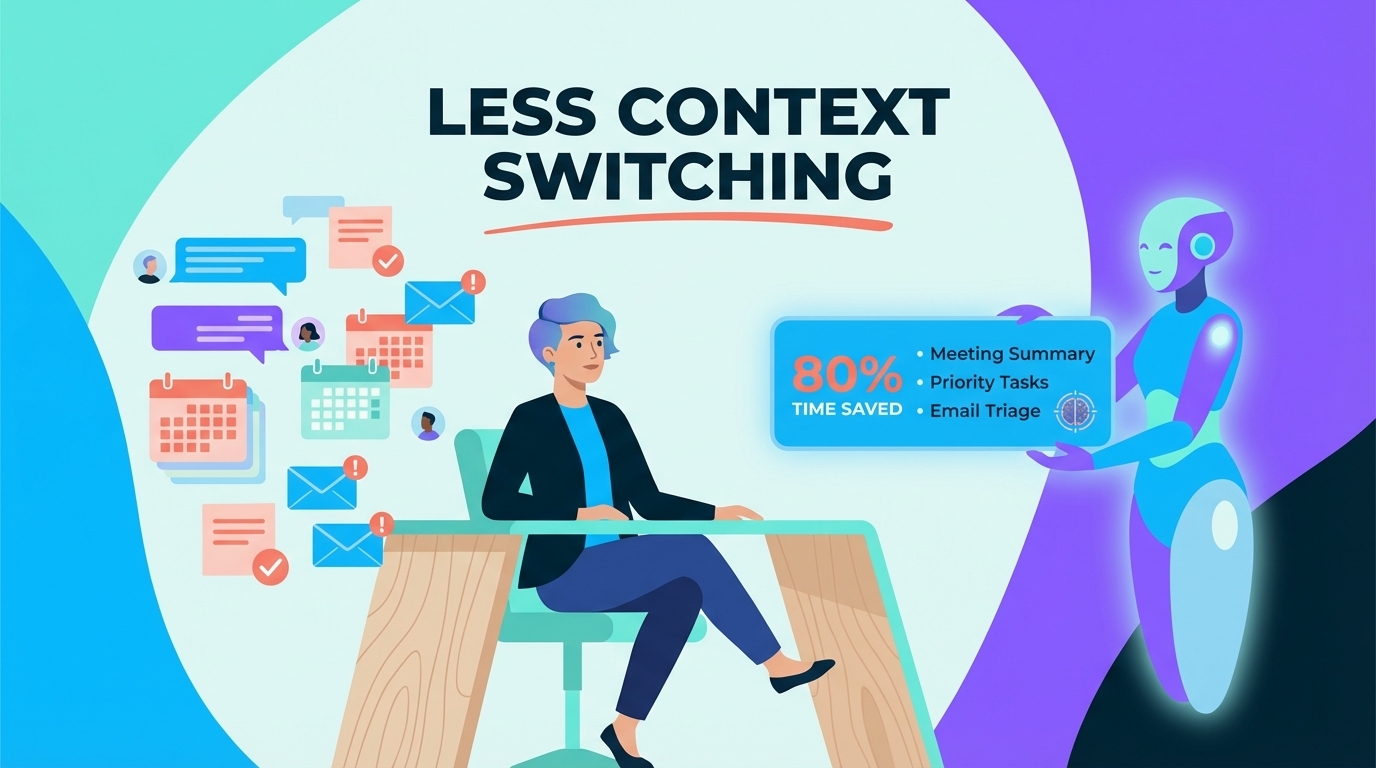
SMB marketing leaders use an AI executive assistant to automate information capture from disparate sources, centralize project knowledge into a single source ...
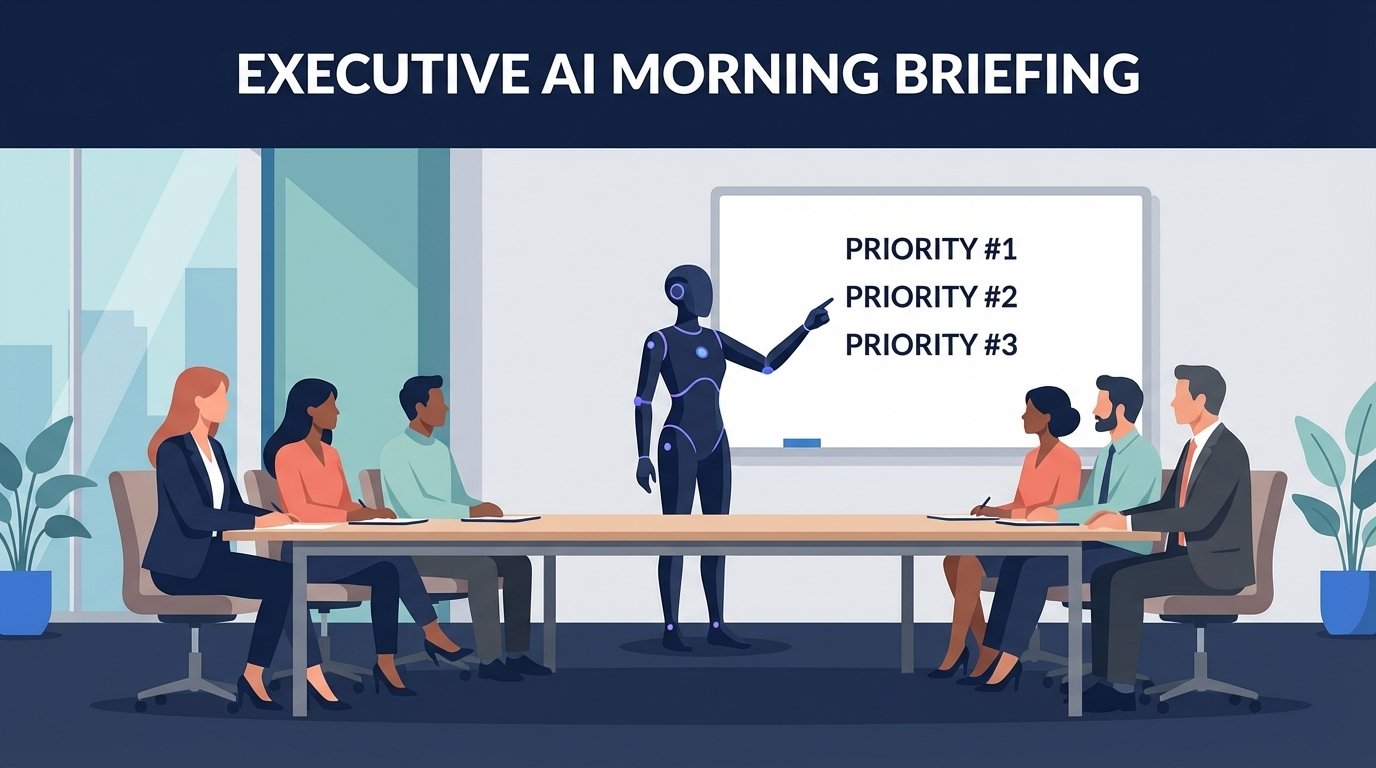
The fastest way to set up an AI morning briefing is to automate the process of collecting, triaging, and prioritizing tasks based on predefined rules like ...
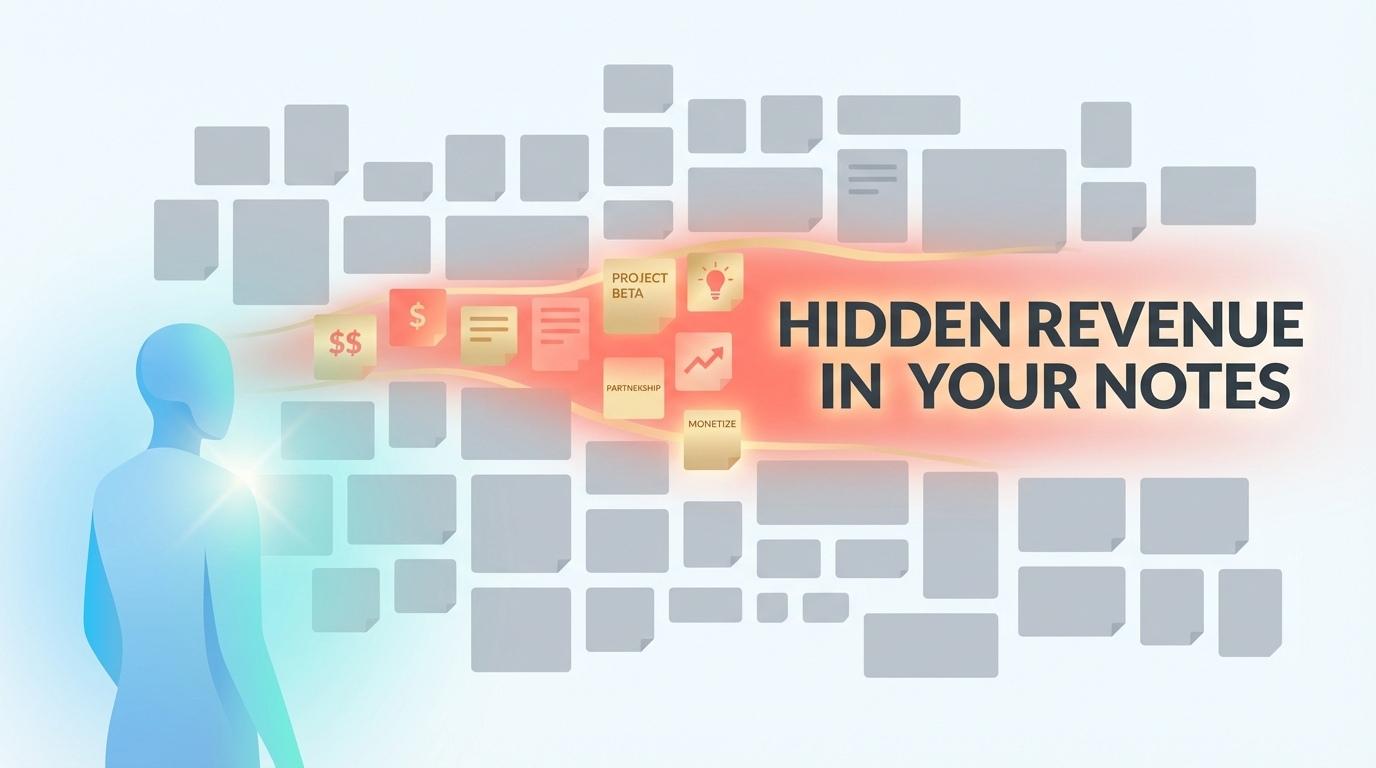
An AI Second Brain automatically detects opportunities by scanning incoming data—emails, messages, and transcripts—for specific business triggers like ...
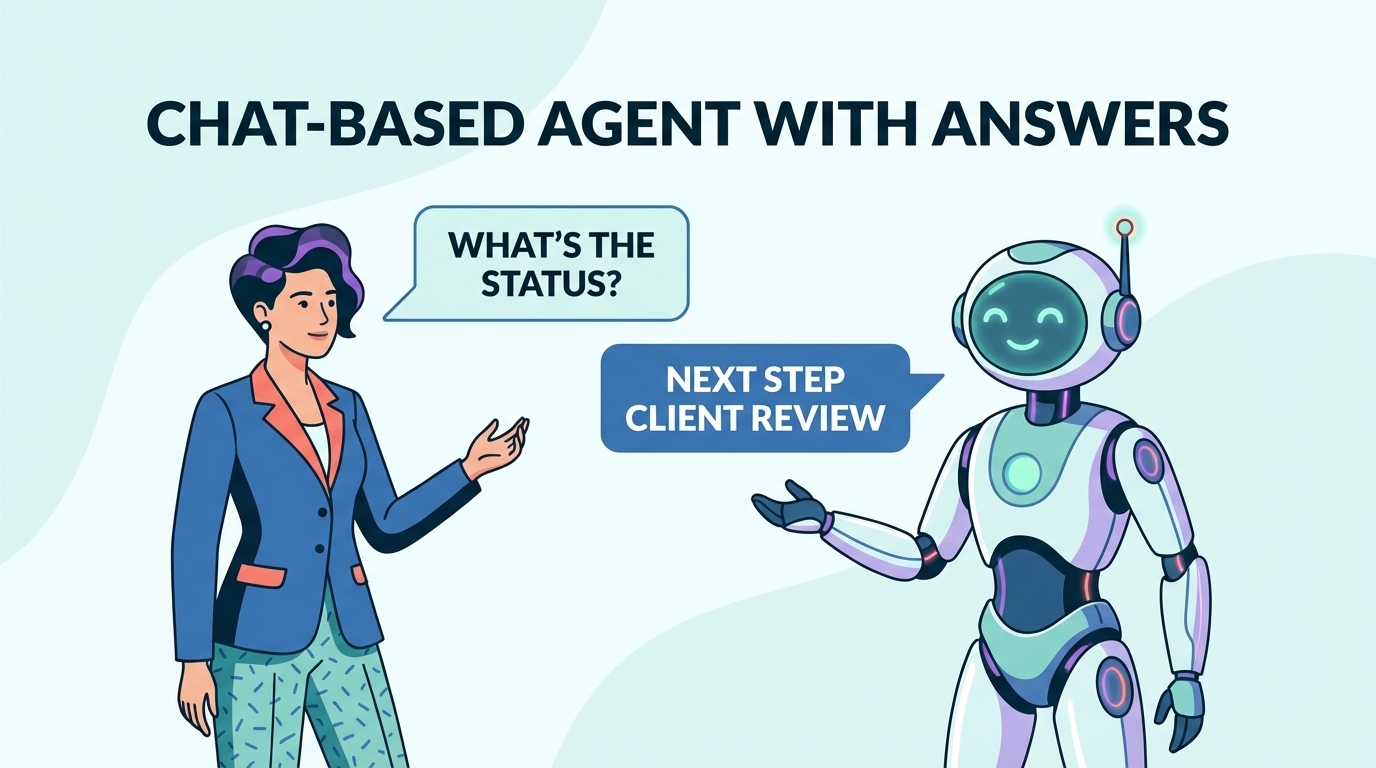
To create a chat-based agent that answers status queries, you must build a Retrieval-Augmented Generation (RAG) system over your linked notes, tasks, emails, ...
To be reliable, an AI Executive Assistant requires a robust governance system, not just "memory." This includes a centralized source of truth, dynamic rules ...
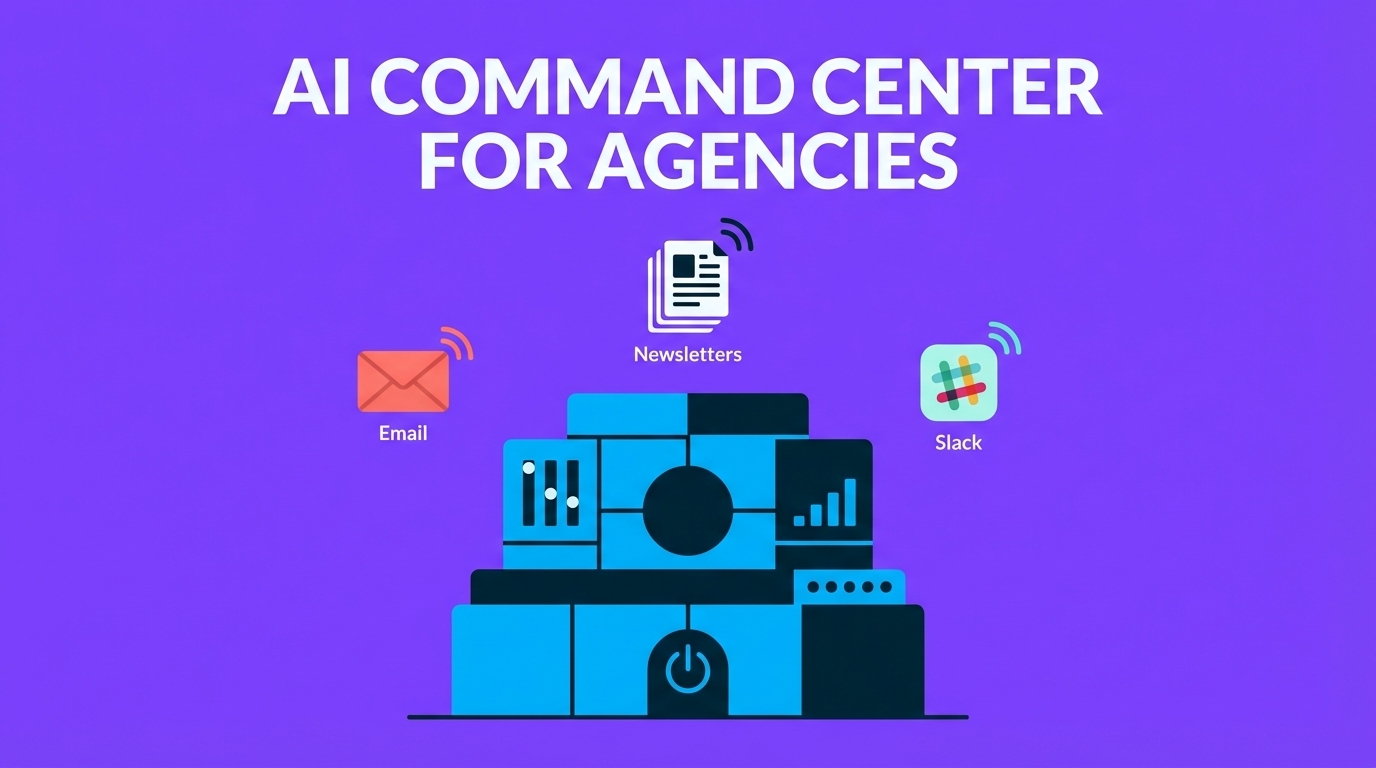
To connect your agency's email, Slack, and newsletters into a single AI command center, you must create a unified ingestion pipeline. This system automatically ...
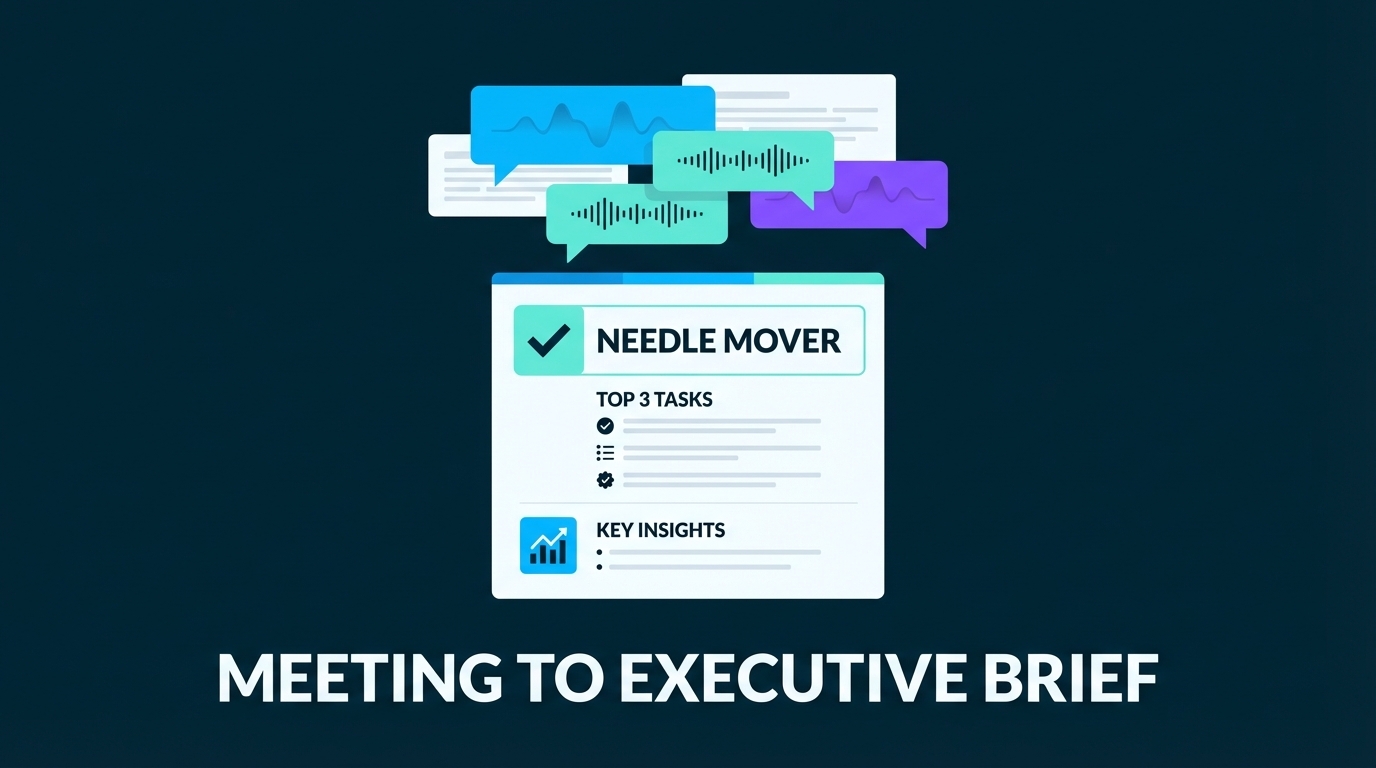
An AI assistant processes meeting transcripts by first transcribing the audio, then using natural language processing to identify and extract key decisions, ...
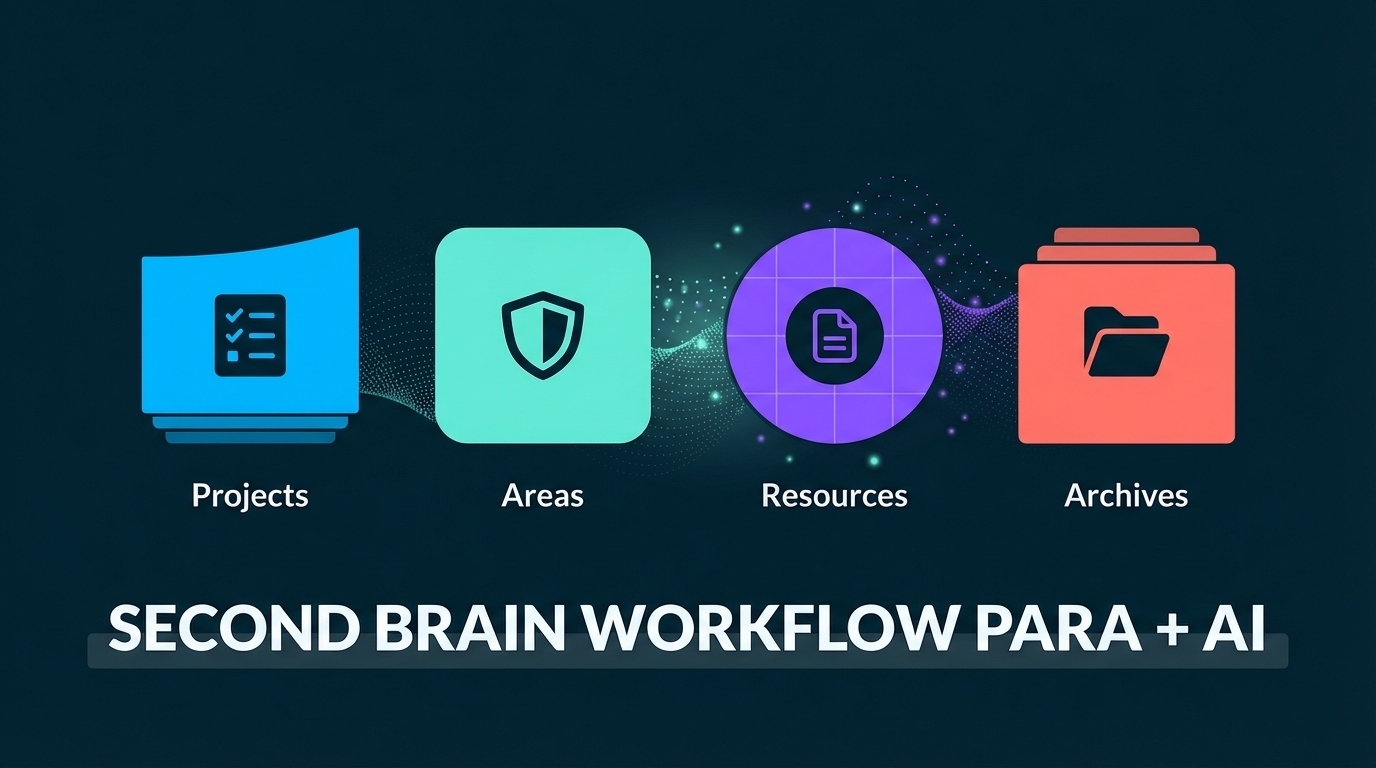
The best Second Brain workflow for a marketing executive combines Tiago Forte's PARA method for organization with AI for automation. Use PARA as the filing ...
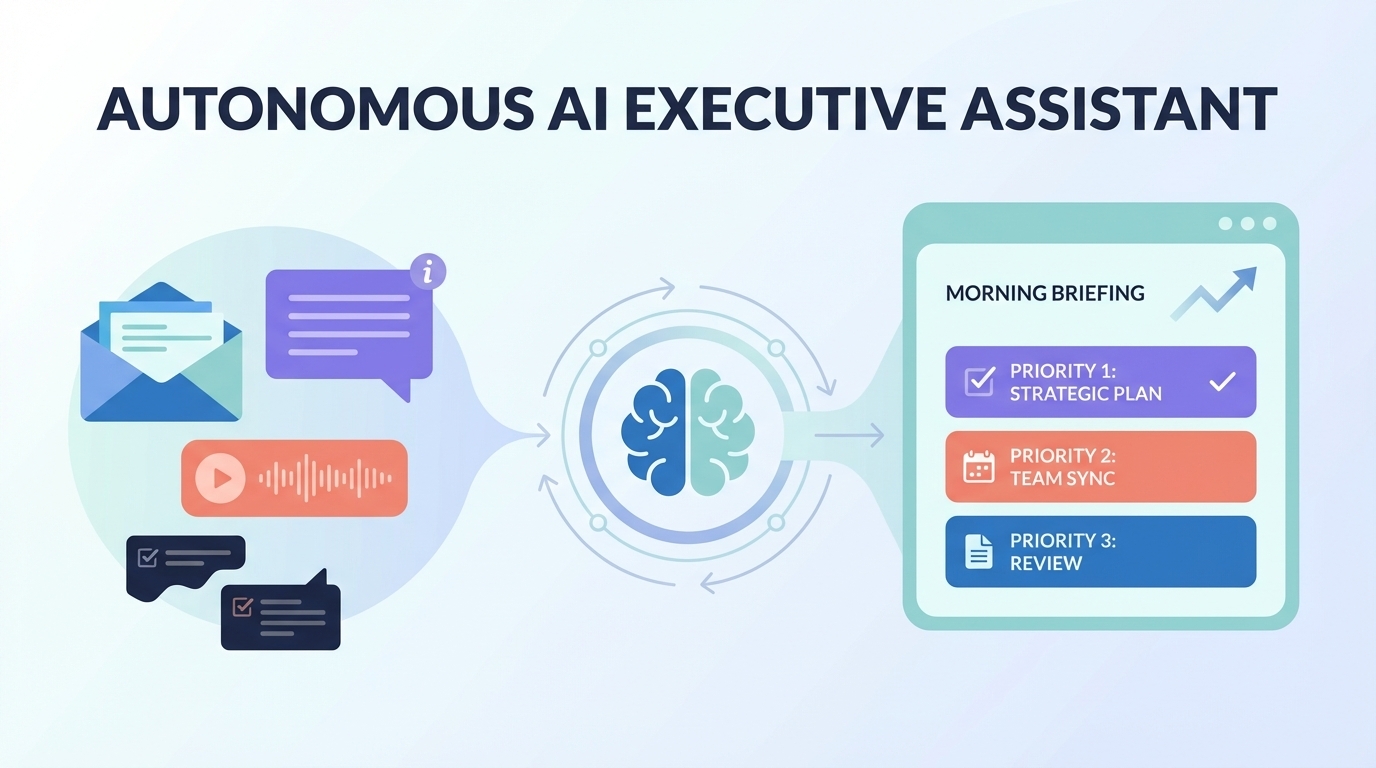
To build an autonomous AI Executive Assistant, create an "inbox-to-project" pipeline. This system automatically ingests data from email, Slack, and notes; ...
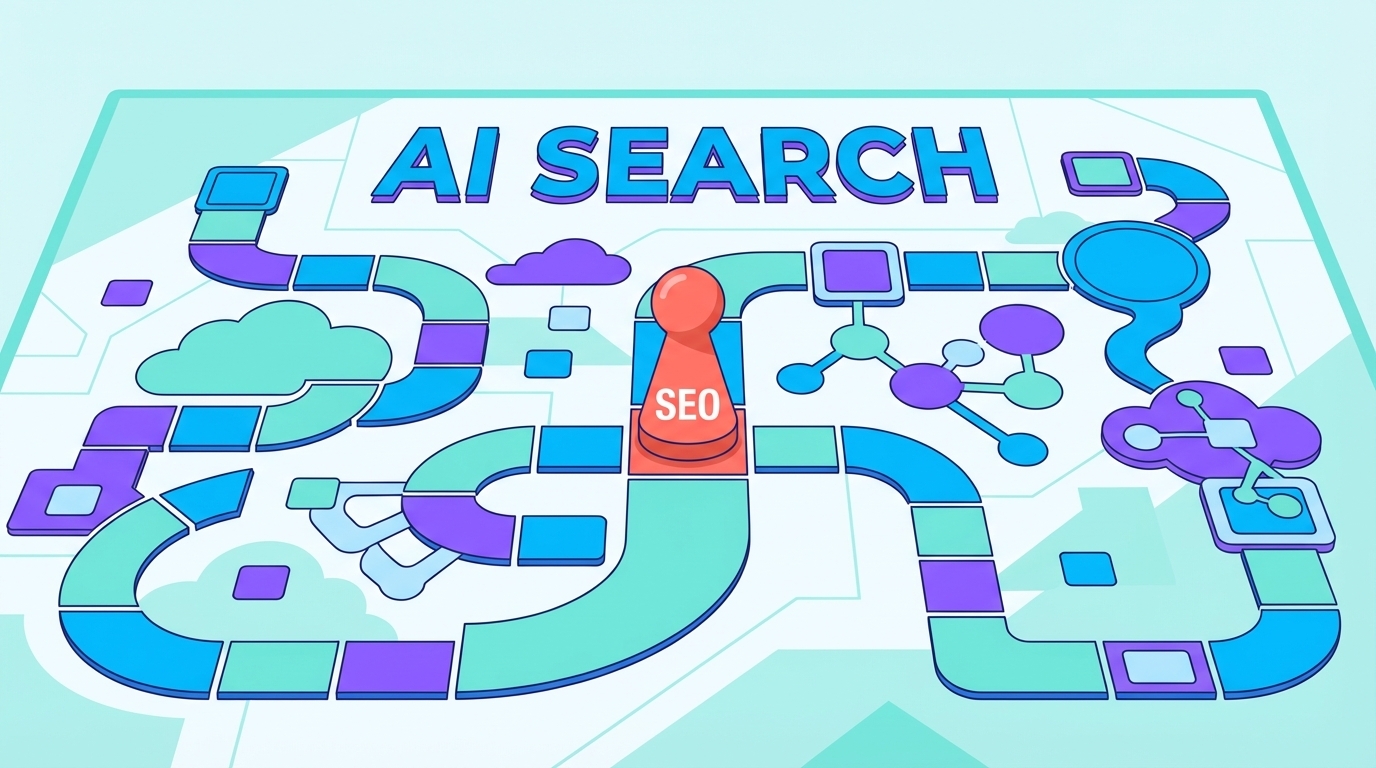
AI has transformed SEO from a rankings game into a visibility and retrieval game across multiple AI-driven surfaces, not just the ten blue links.
Skip the reading. Book your audit.
45 minutes with Rick. Tell us the bottleneck, we tell you whether AI is the answer.