What we're learning, shipping, and arguing about.
Field notes from operators building production AI. No takes. No theory. The thing that broke last week and how we fixed it.
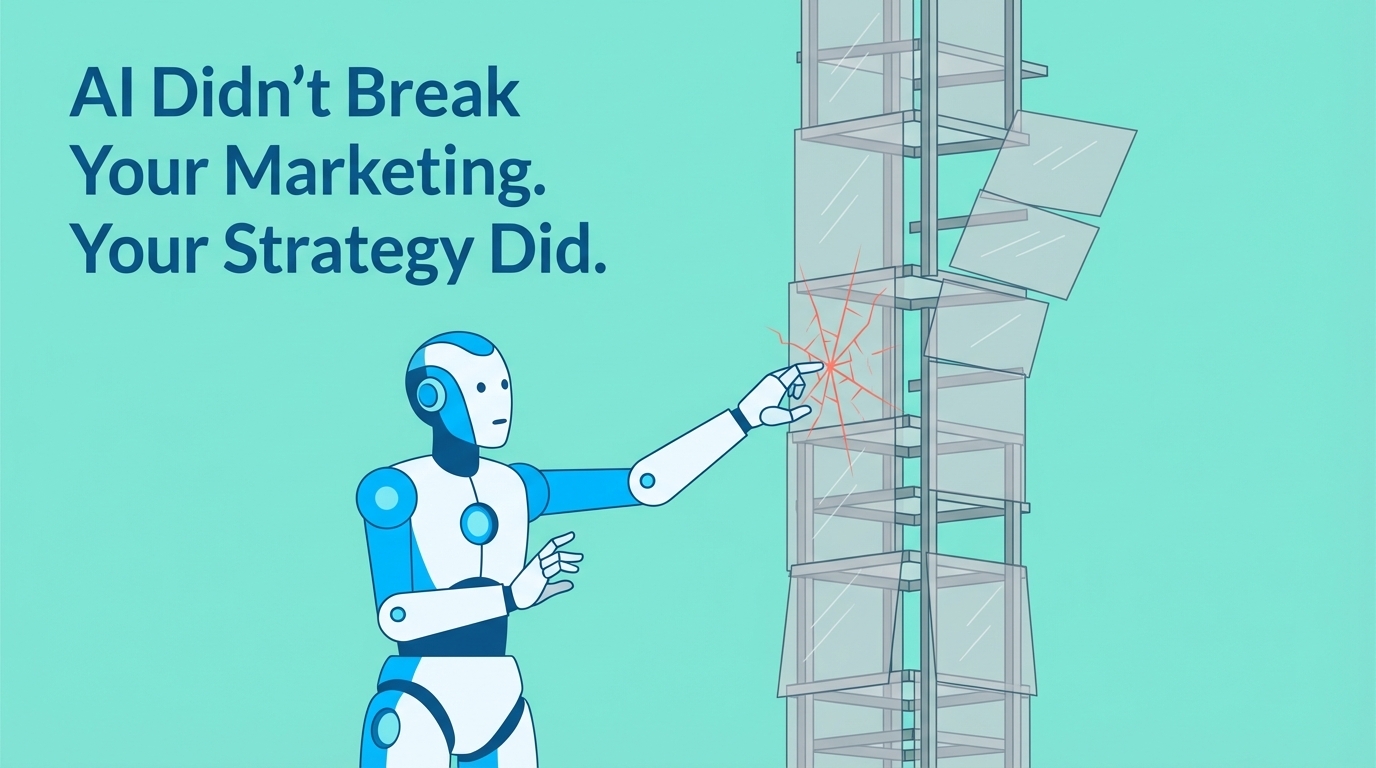

Most marketing teams didn’t fail at AI because they chose the wrong software—they failed because they never redesigned how work actually gets done. Piling new ...
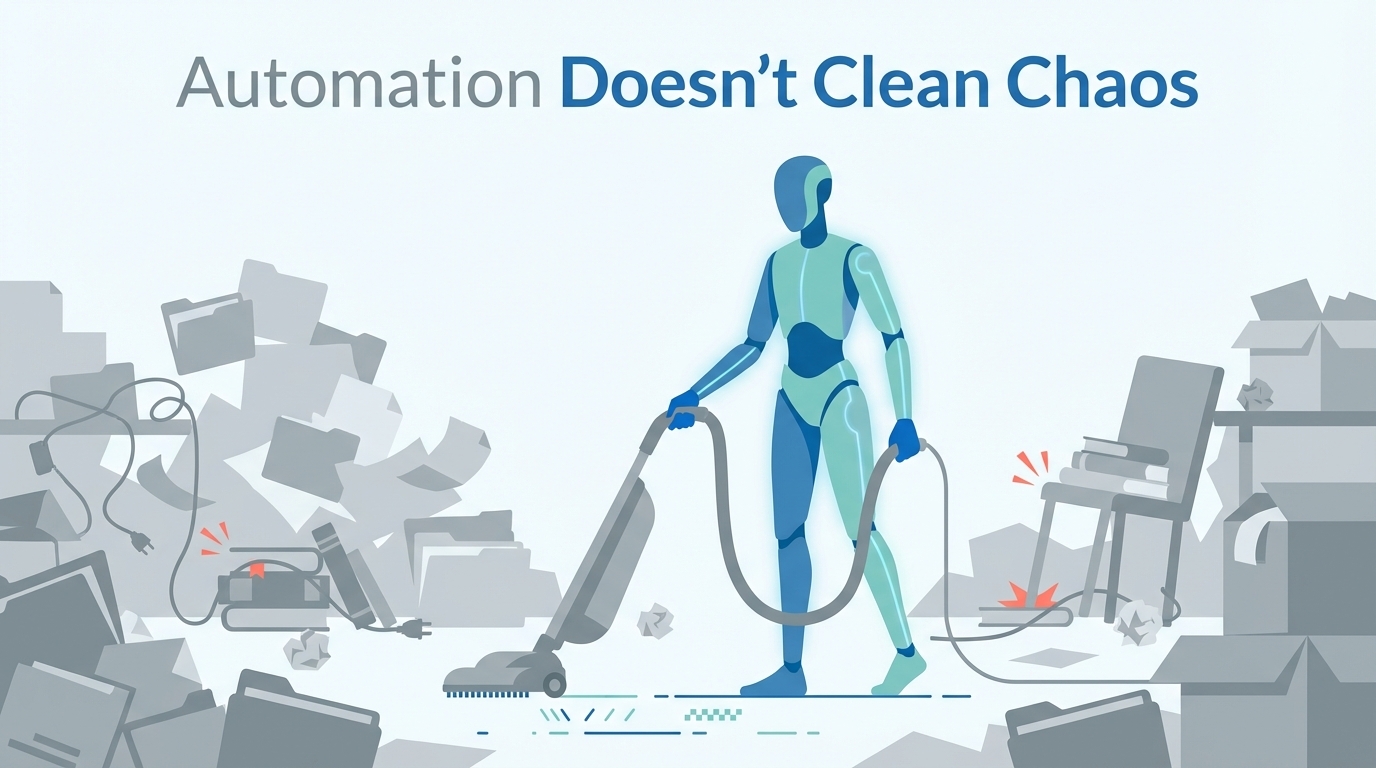
Your AI fails at broken processes because automation cannot repair what isn’t structurally sound — it only accelerates the flaws already baked into how work ...
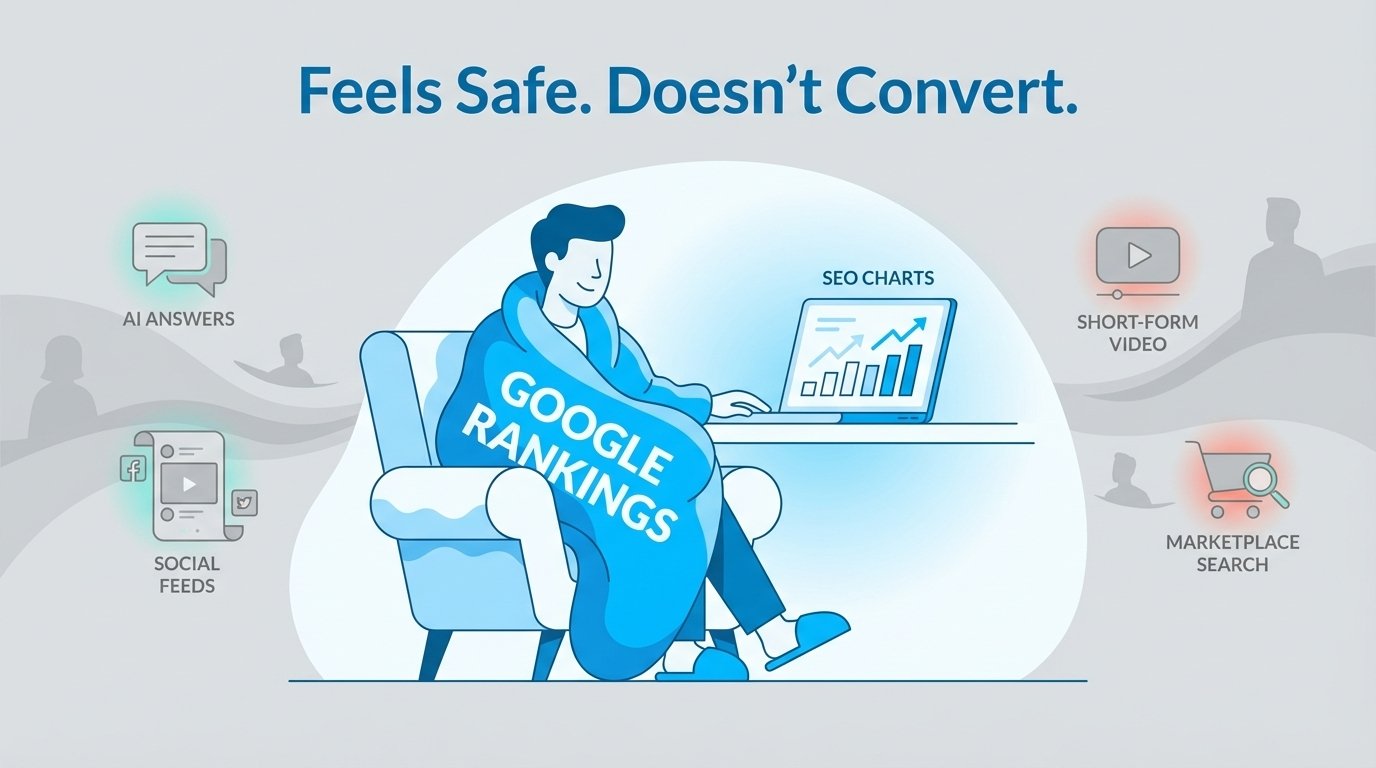
Most marketers are still optimizing for Google as if it’s 2015, while their buyers are quietly shifting their searches to AI assistants, social platforms, and ...
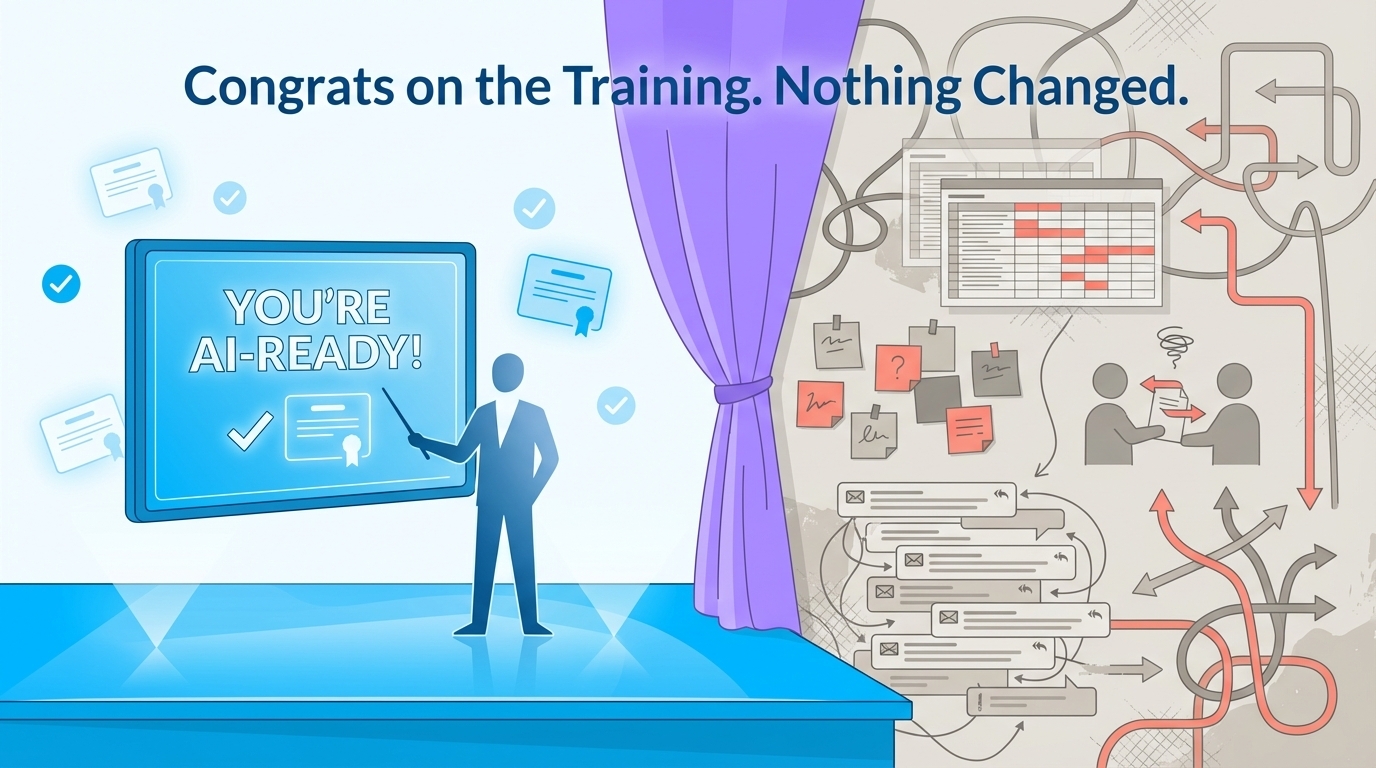
Most companies waste AI training budgets because education doesn’t redesign how work gets done. Teams learn tools, attend workshops, and understand AI ...
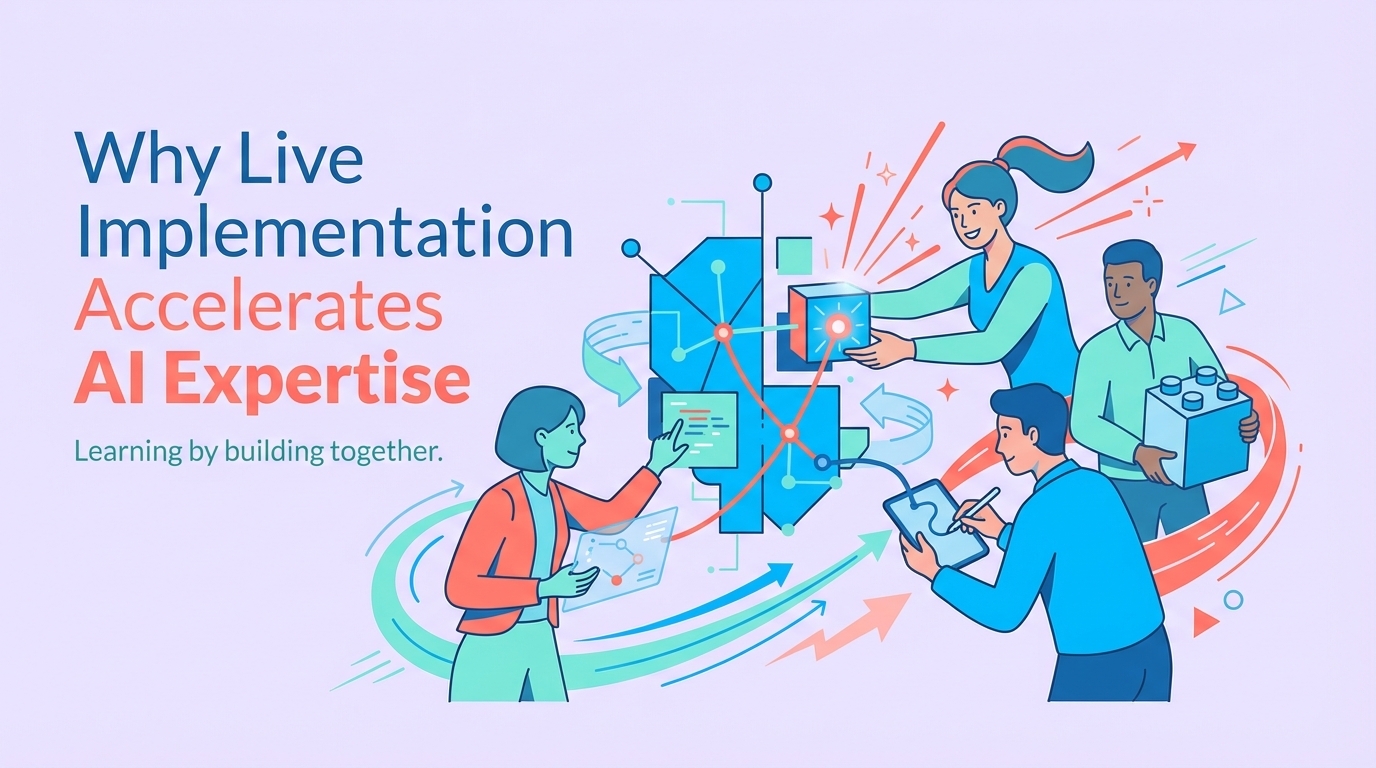
A live implementation community accelerates AI expertise by replacing passive theory with active building, compressing months of learning into weeks. Through ...
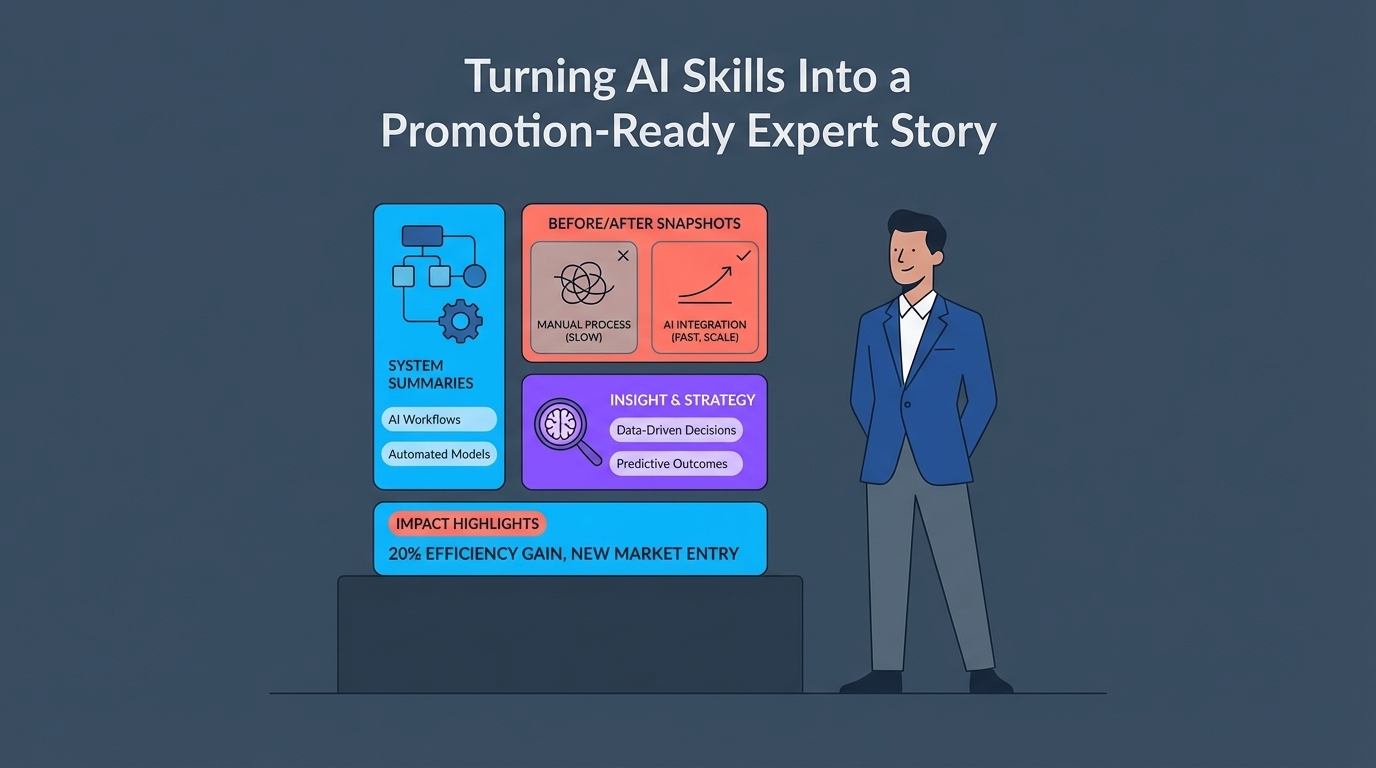
Frame your AI work as systems built, value delivered, and risk reduced. This transforms you from a tactical AI user into a strategic business asset.
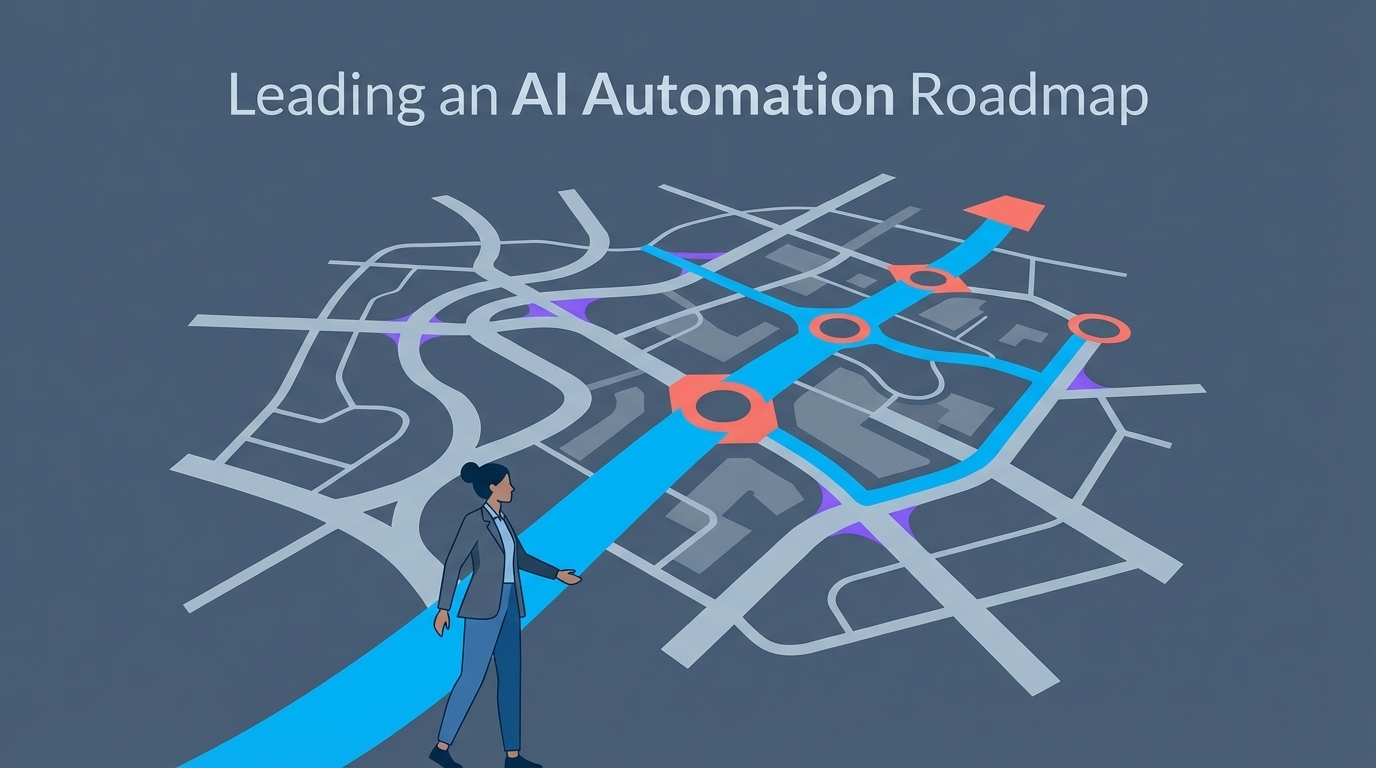
Build a successful AI automation roadmap by sequencing three phases: executing high-impact quick wins, architecting core systems, and scaling ...
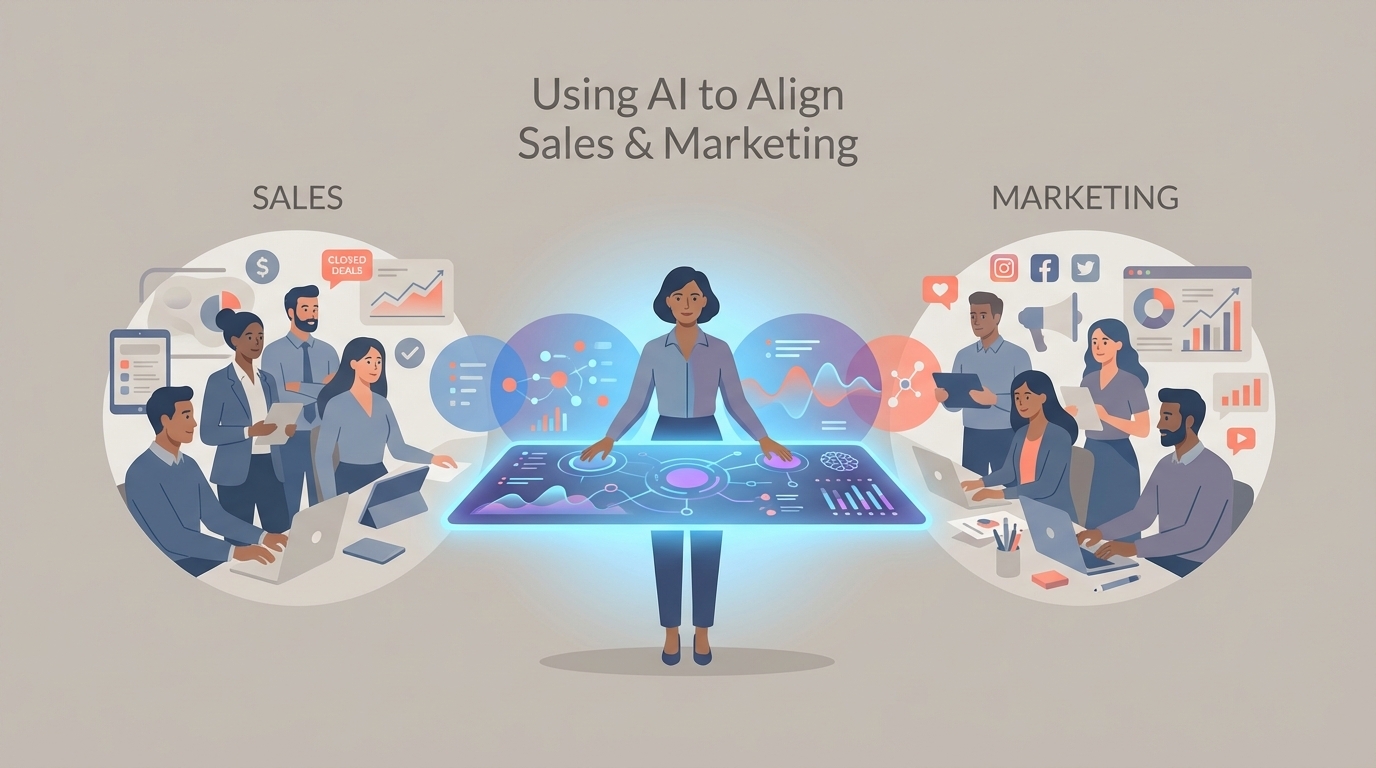
Use AI to build shared, automated systems for lead scoring, messaging, and intelligence that both sales and marketing teams use and co-own. A single, ...
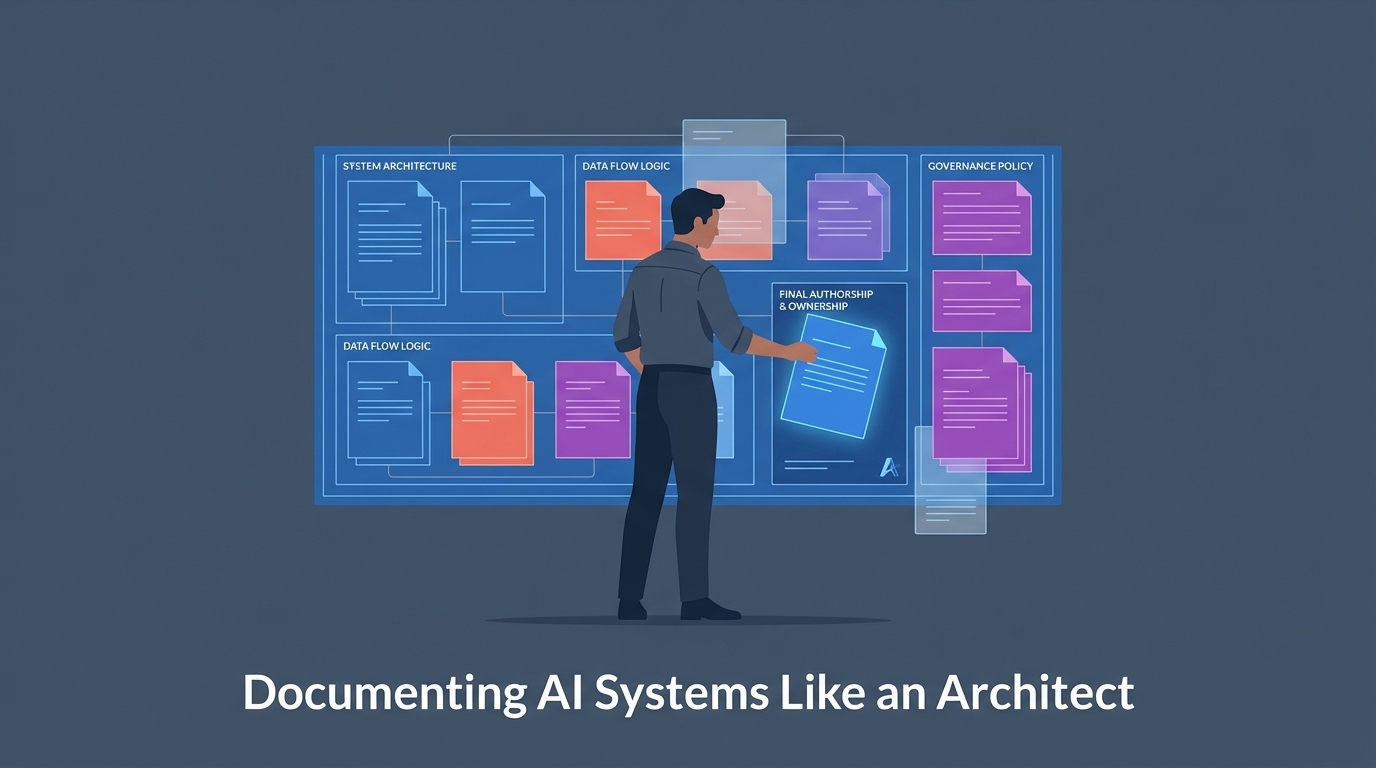
To document AI systems effectively, focus on the strategy, decisions, and business outcomes—not just the code or prompts. This approach transforms your ...
To avoid AI "toy projects," anchor every initiative to a core business metric from day one: revenue generation, operational efficiency, or risk reduction. ...
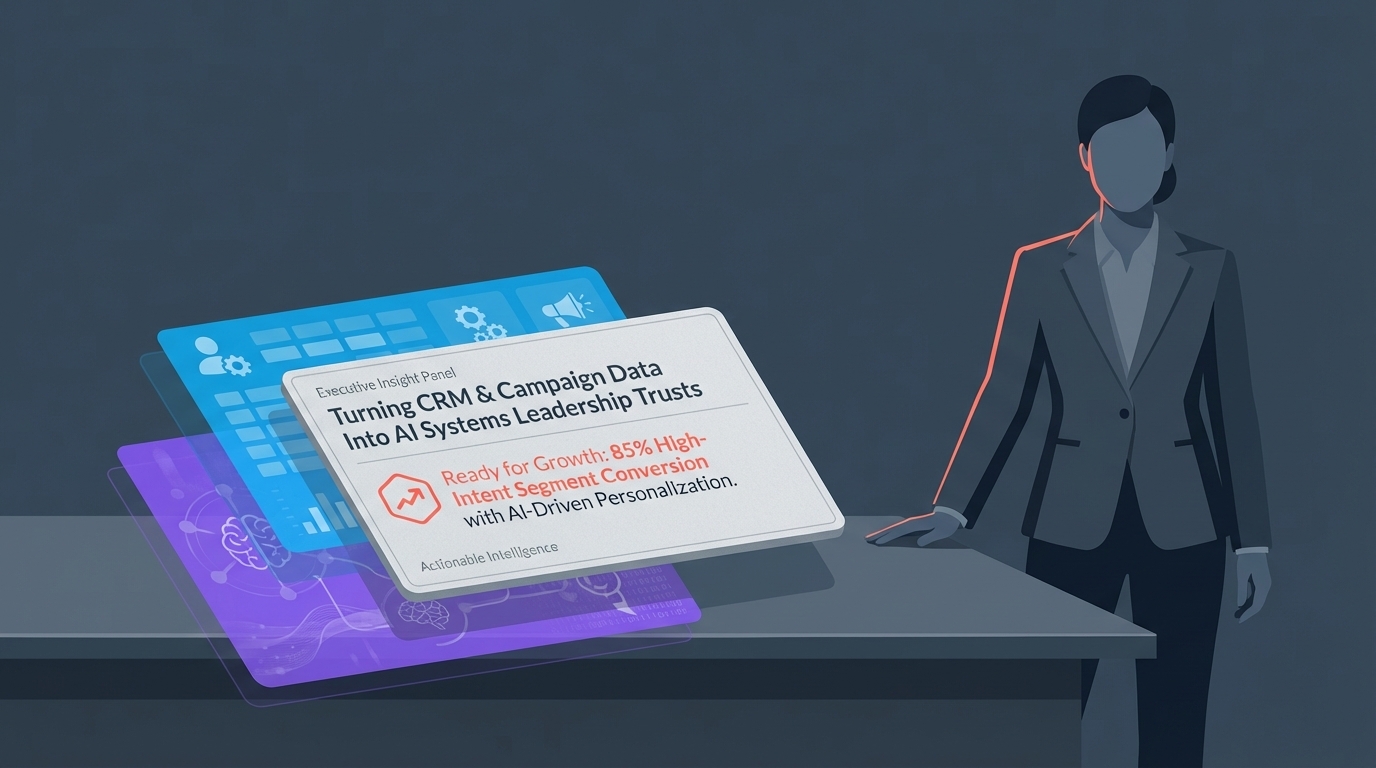
Turn your CRM and campaign data into predictive lead scoring, intelligent sales insights, and automated strategy validation. This approach demonstrates clear ...
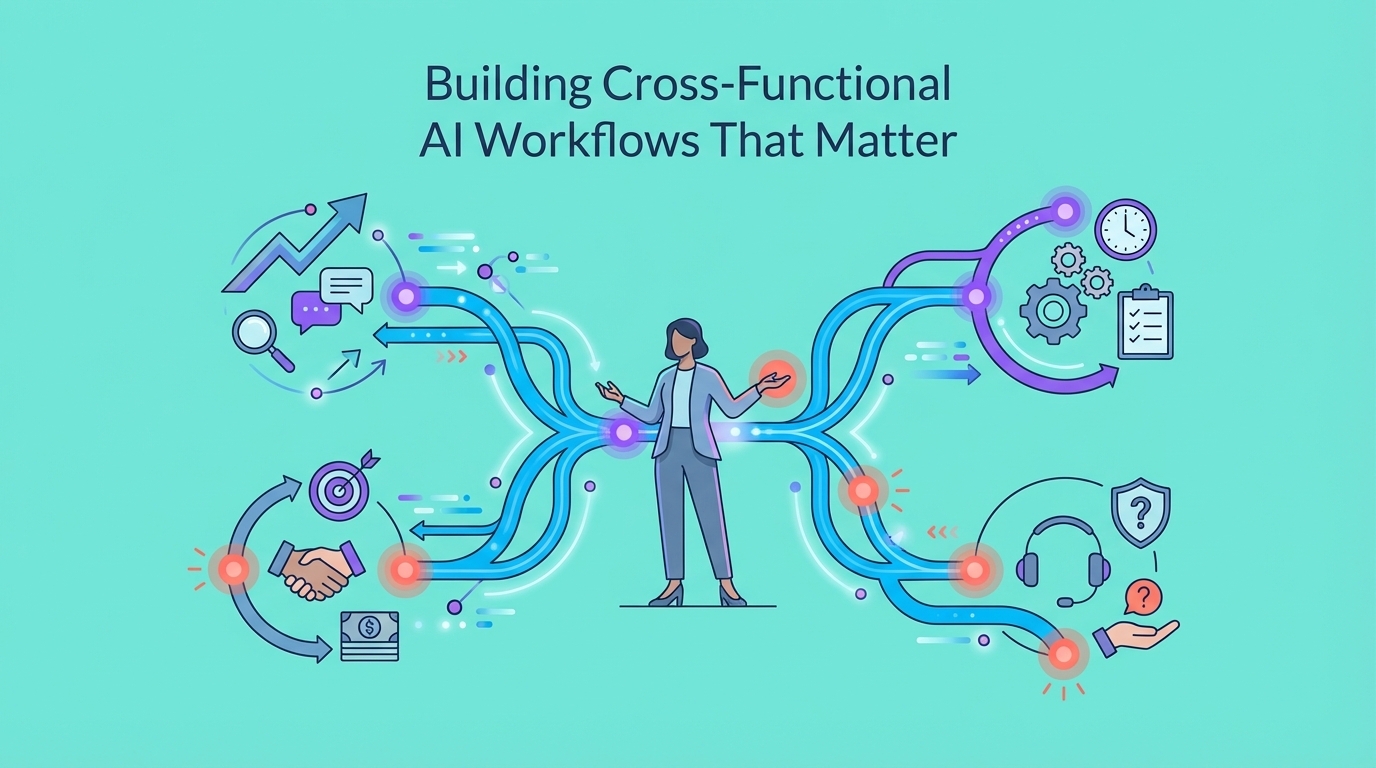
Build integrated AI workflows that connect marketing, sales, and operations using shared systems and data. True indispensability comes from architecting ...
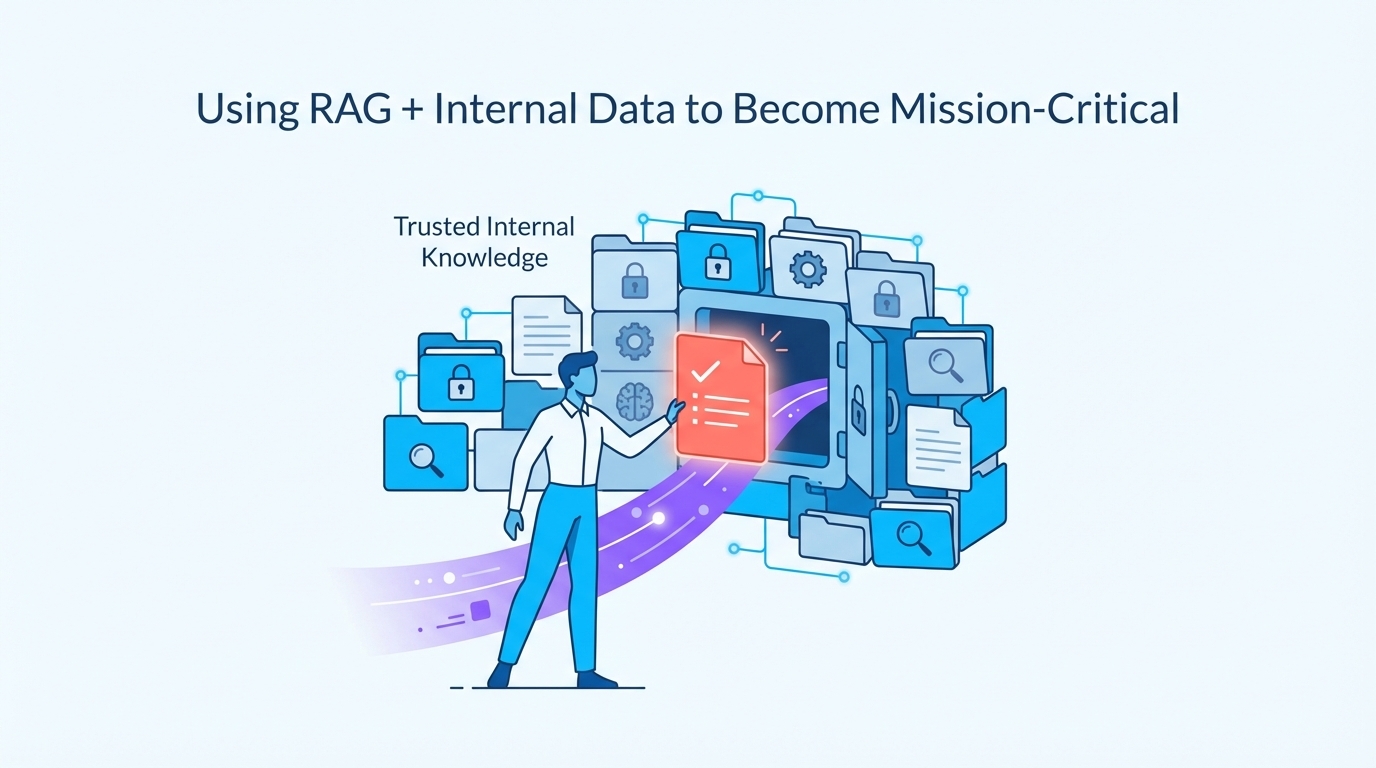
Use Retrieval-Augmented Generation (RAG) to connect your company’s internal data to AI, creating systems that solve high-value problems. This transforms you ...
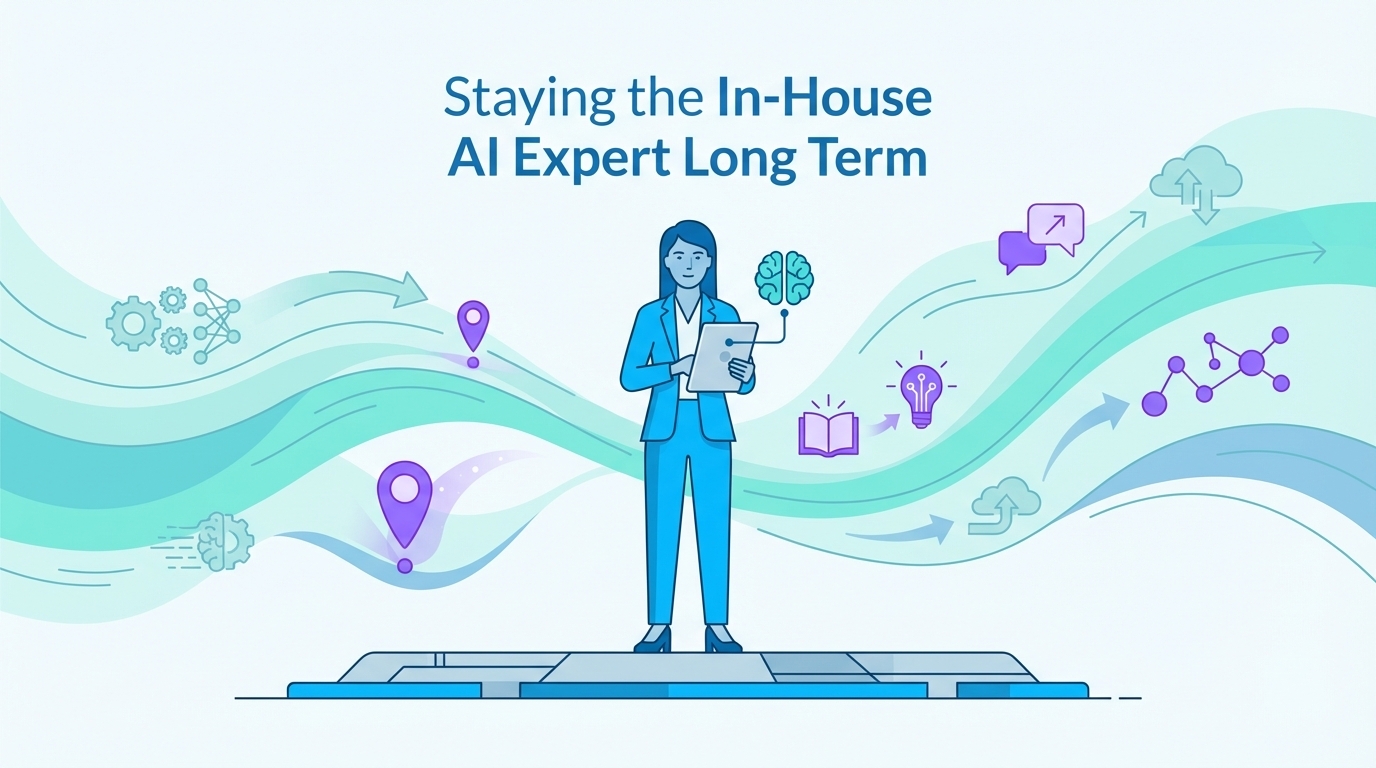
To remain the in-house AI expert long-term, focus on durable principles and systems—not chasing fleeting tools. Prioritize hands-on implementation and ...

Build an AI playbook with clear use cases, rules, owners, and metrics—not theory. An effective playbook is a living system, not a static document. The fastest ...
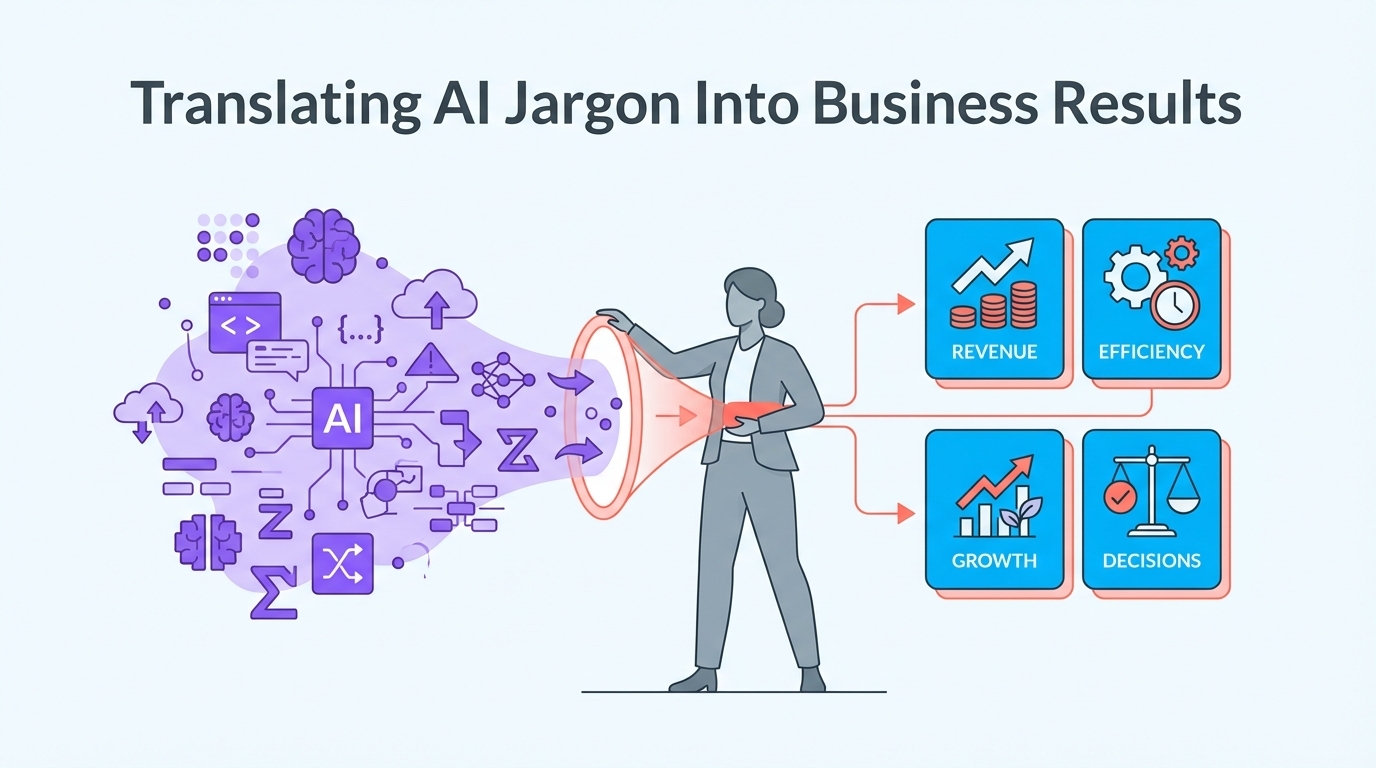
To get executive buy-in for AI initiatives, translate technical jargon into the four metrics they care about: revenue growth, cost savings, operational speed, ...
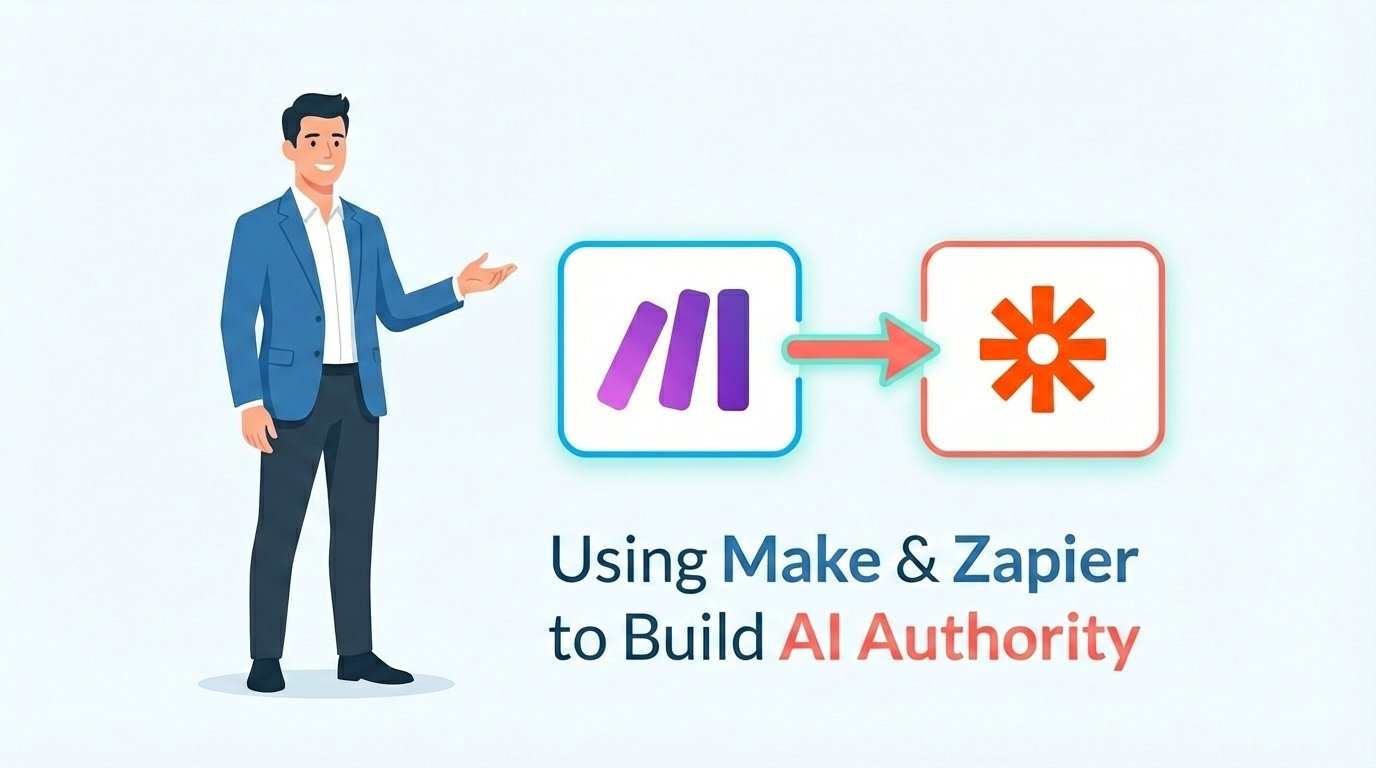
Using automation platforms like Make or Zapier is the definitive way to cement your AI expertise. They allow you to move beyond conversational prompts and ...
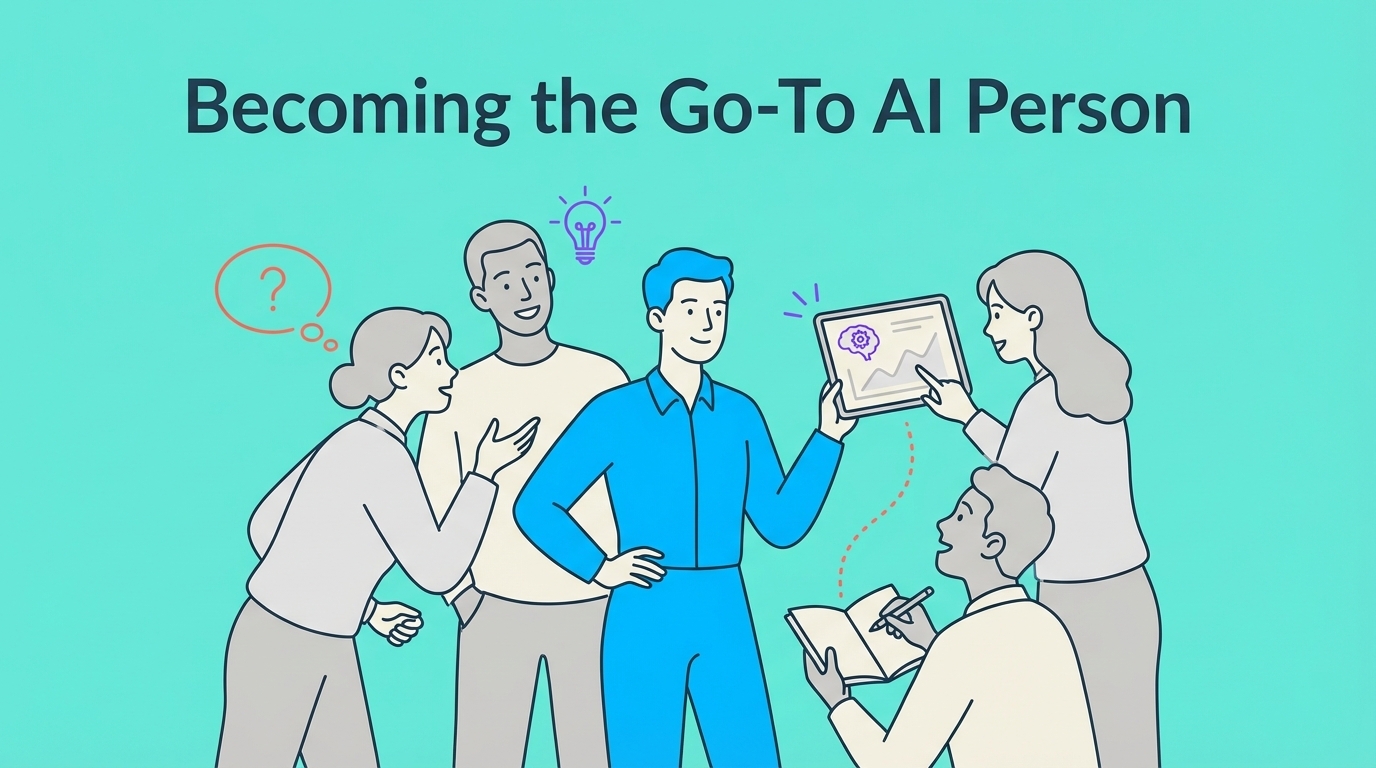
Become the go-to AI person in your organization by shifting from theory to action. Solve visible business problems with AI-powered systems, document your ...
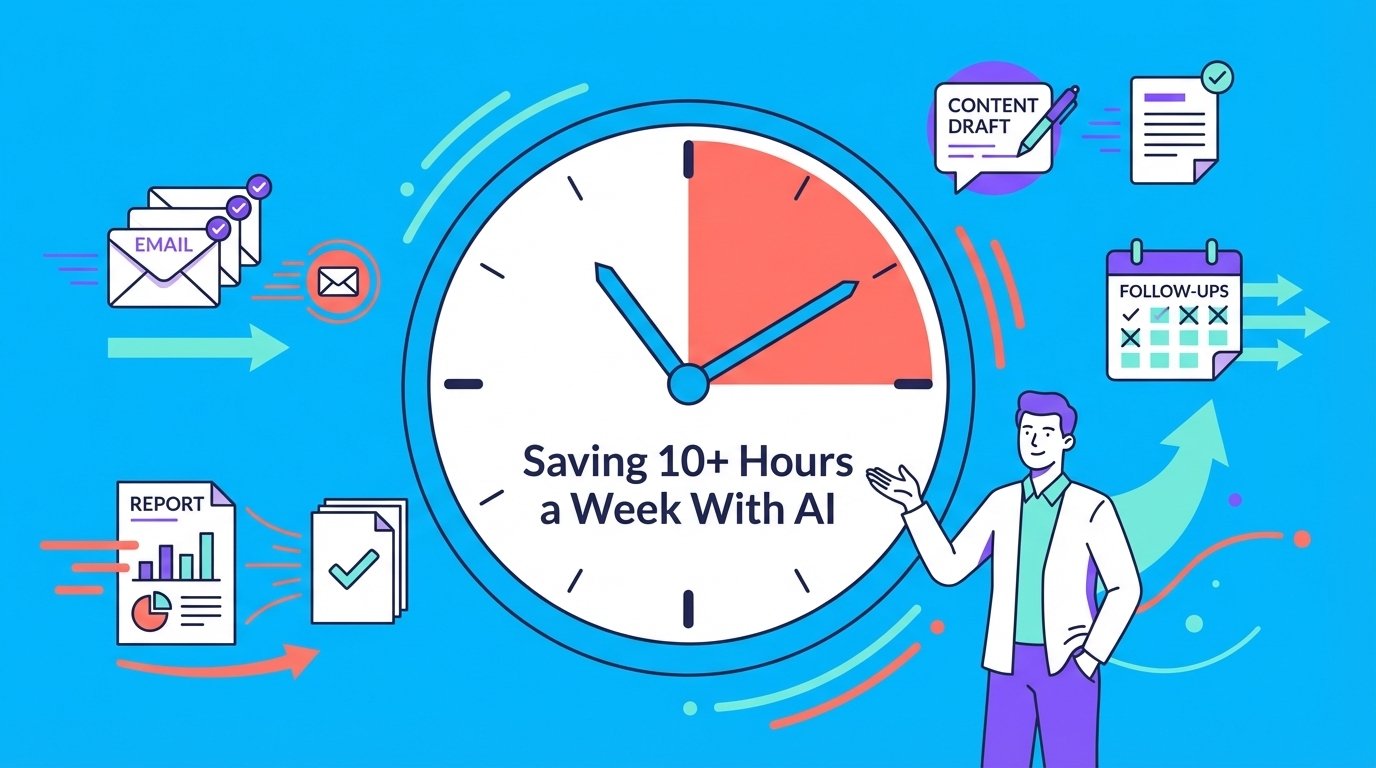
To save over 10 hours weekly with AI, automate high-volume, repetitive tasks like content creation, lead qualification, and reporting. The key to building ...
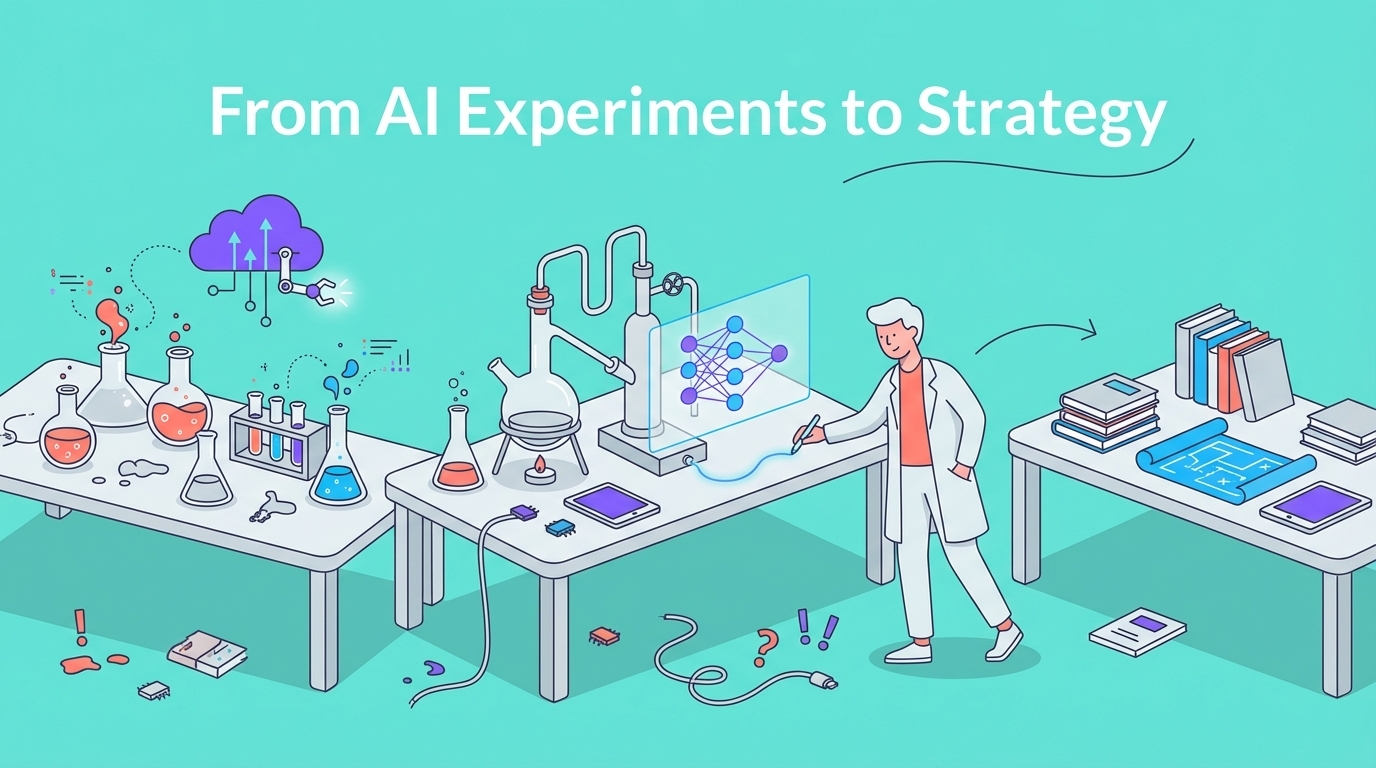
To turn random AI experiments into a coherent strategy, you must audit current efforts, align them with core business KPIs, build repeatable systems instead of ...

To build a self-optimizing AI content engine your company depends on, you must shift from ad-hoc prompts to a systems-based architecture. This involves ...
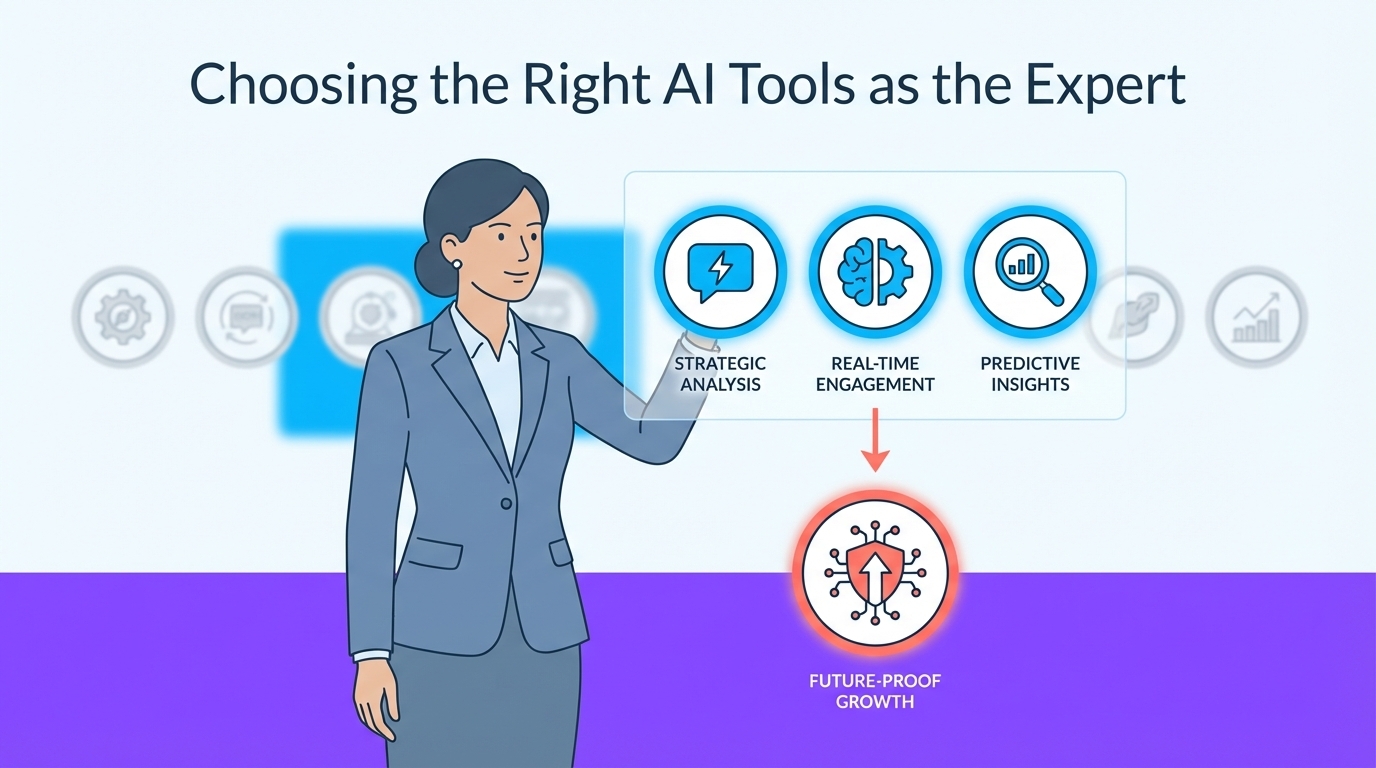
To choose the right AI tools and be seen as an expert, focus on systems, not features. Select tools based on their ability to integrate with your existing ...
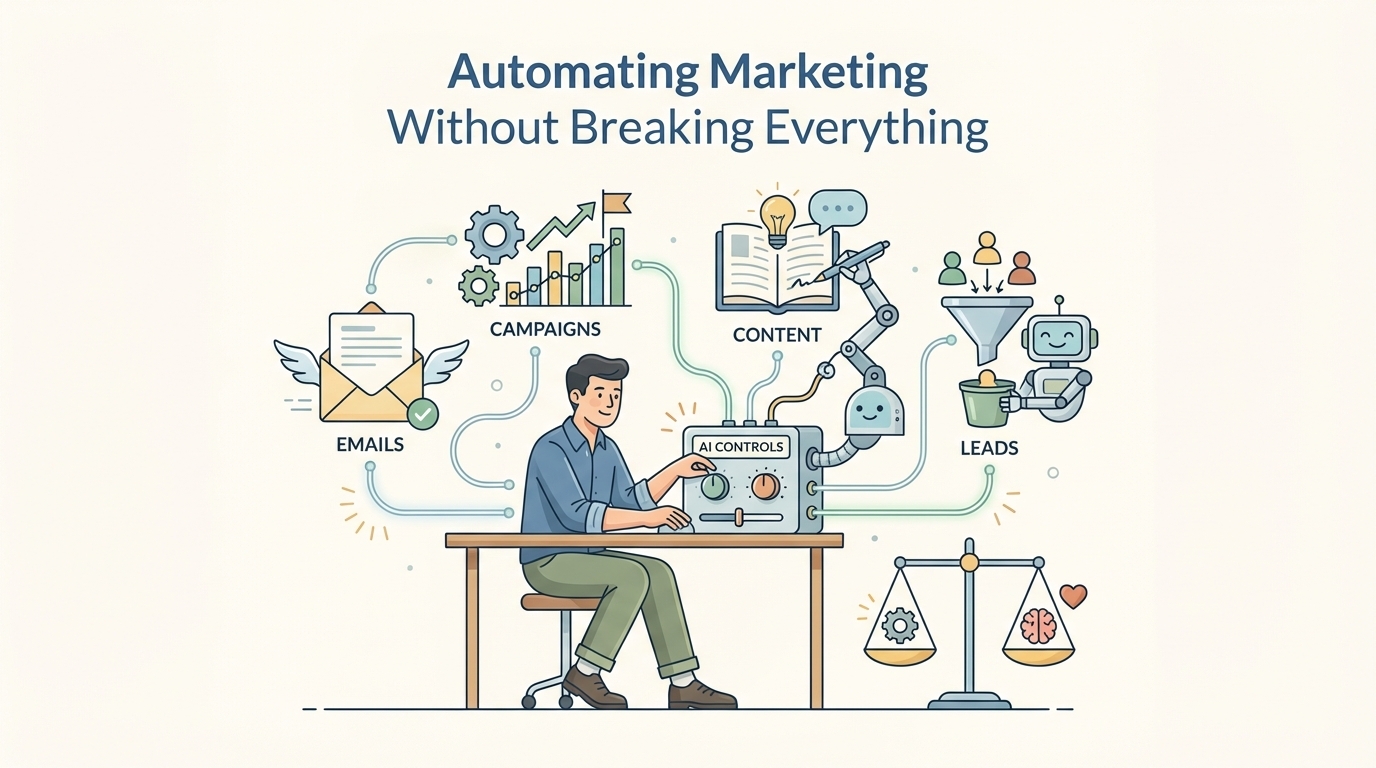
To safely automate marketing with AI, start with low-risk, high-impact workflows that have clear human oversight. Prioritize systems that assist, rather than ...
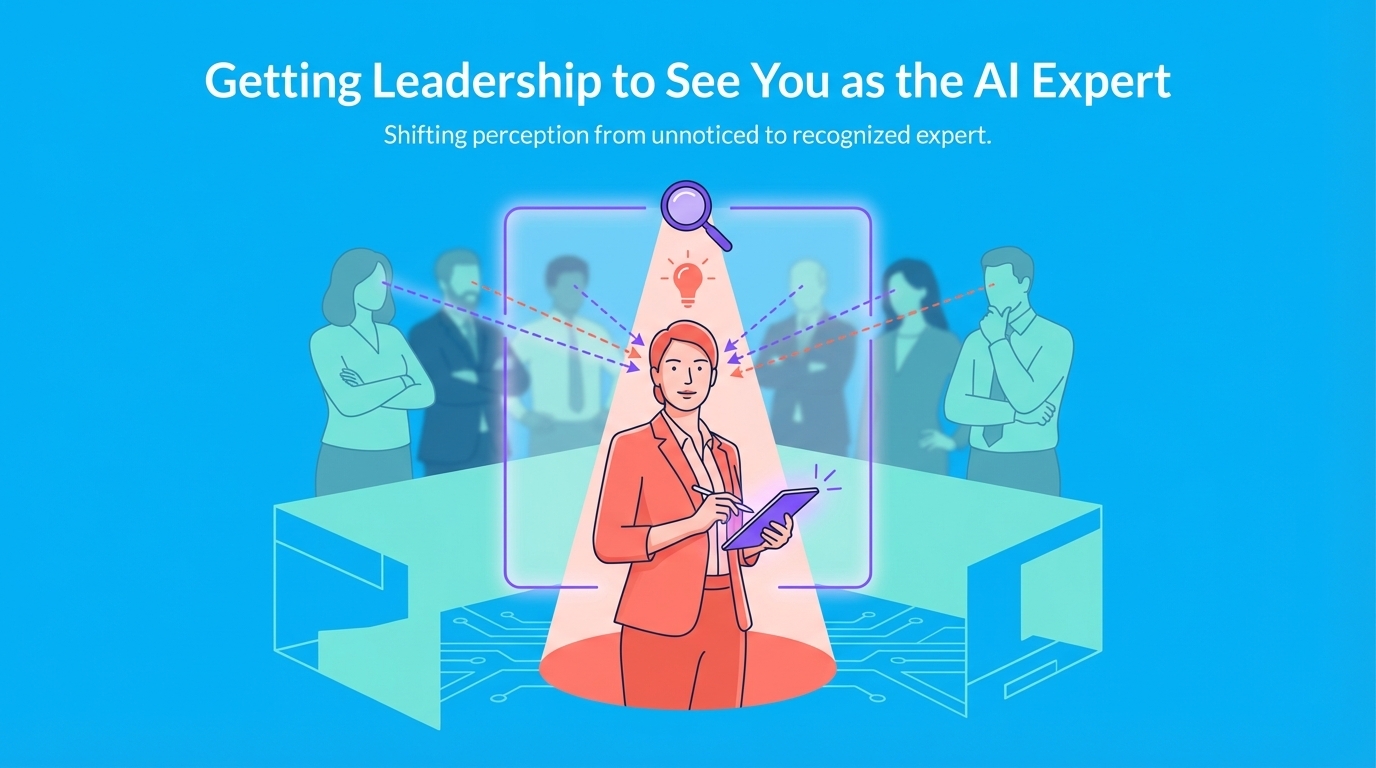
To convince leadership you are the company's AI expert, you must demonstrate measurable business impact. Shift your focus from AI theory and tools to ...
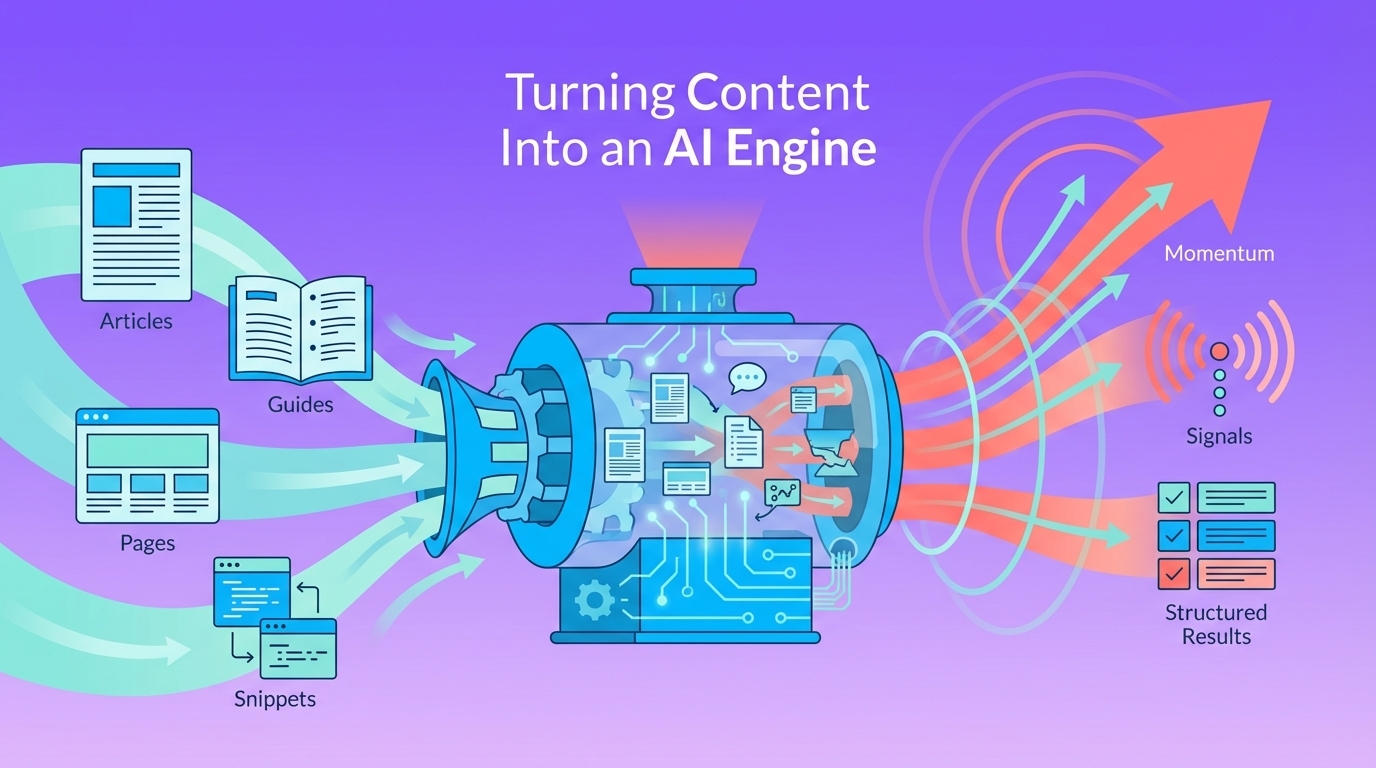
To turn your existing content into a reliable AI engine, you must make it operational. This involves organizing it into a private knowledge base using ...
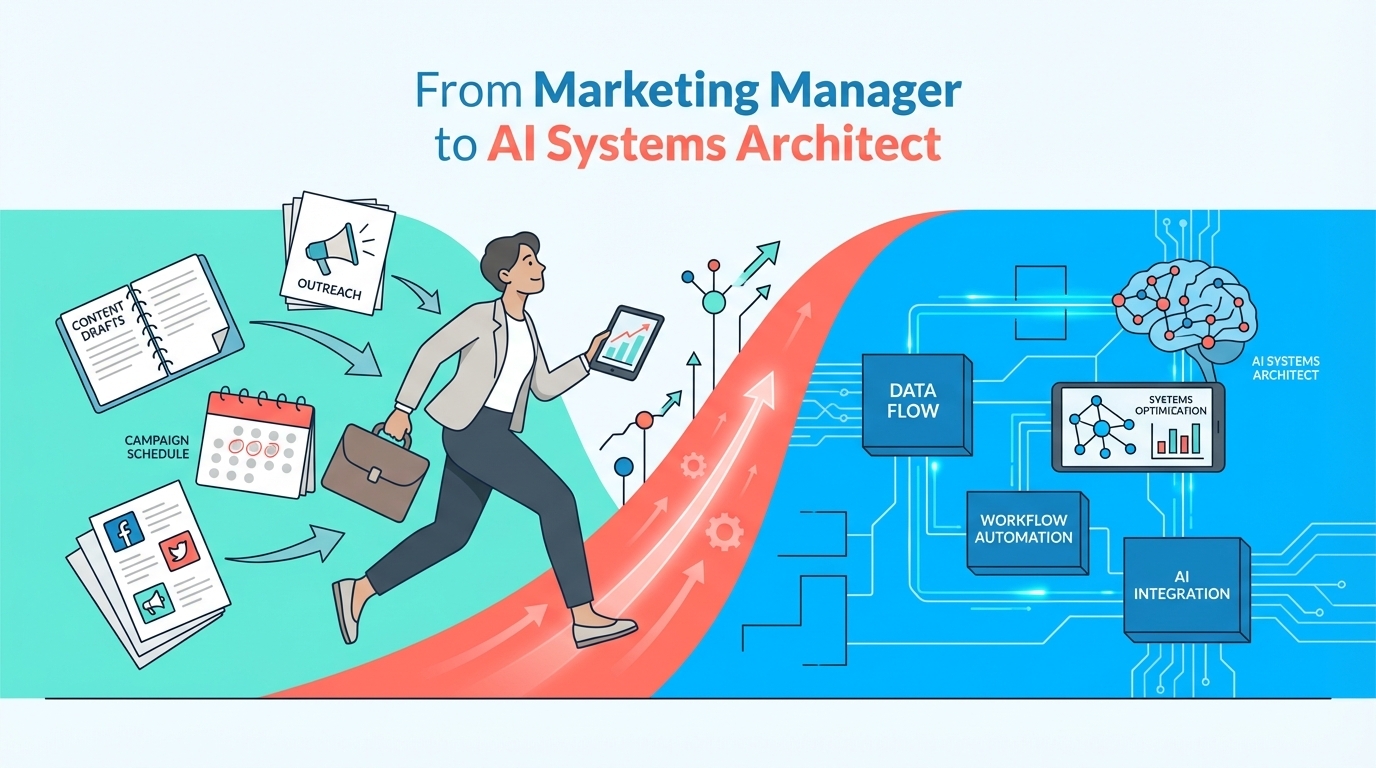
To transition from a Marketing Manager to an AI Systems Architect, you must shift your focus from managing campaigns to designing automated systems. This ...

Focus on automating a high-visibility process like content operations or lead qualification. Quick wins build the trust and political capital needed for larger ...
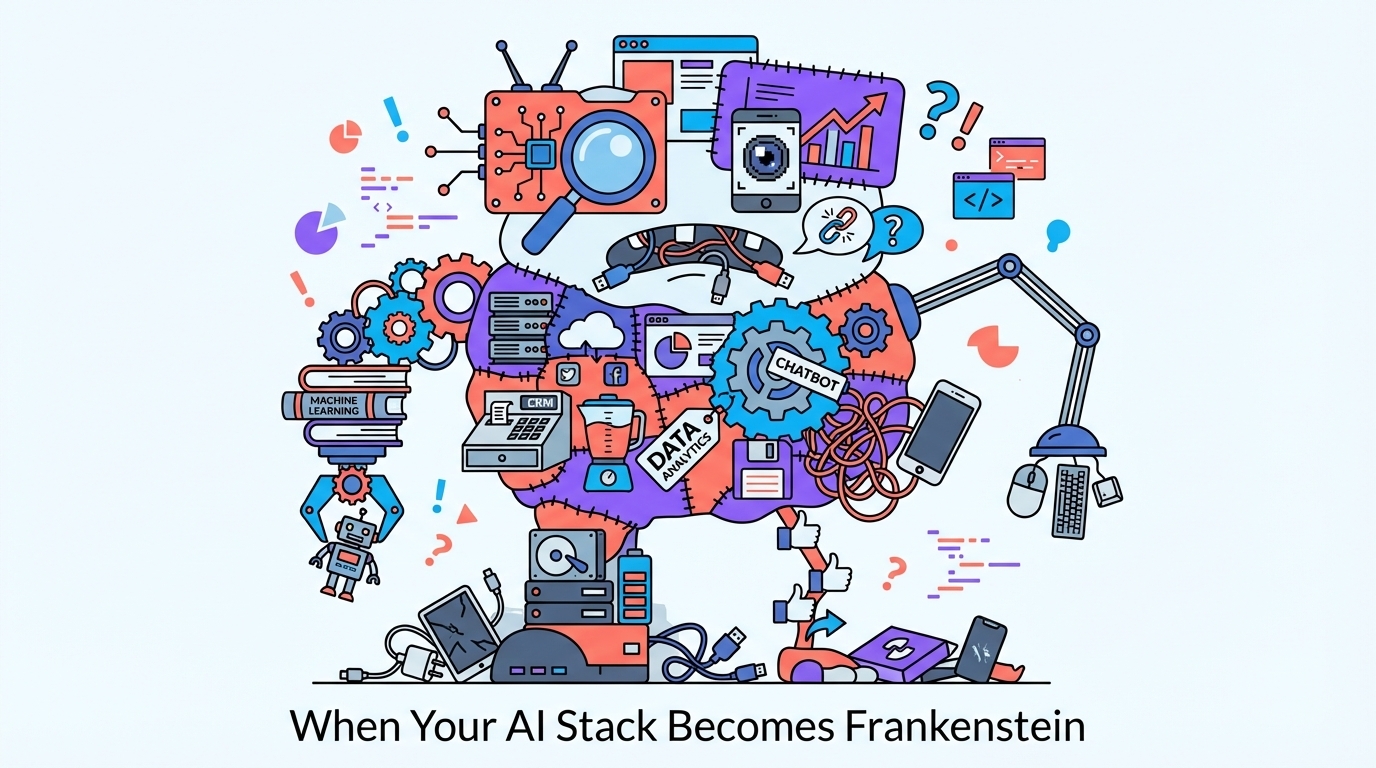
To avoid a Frankenstein AI stack, design it around core business jobs-to-be-done, a shared data layer, and clear ownership. Prioritize fewer, deeply integrated ...
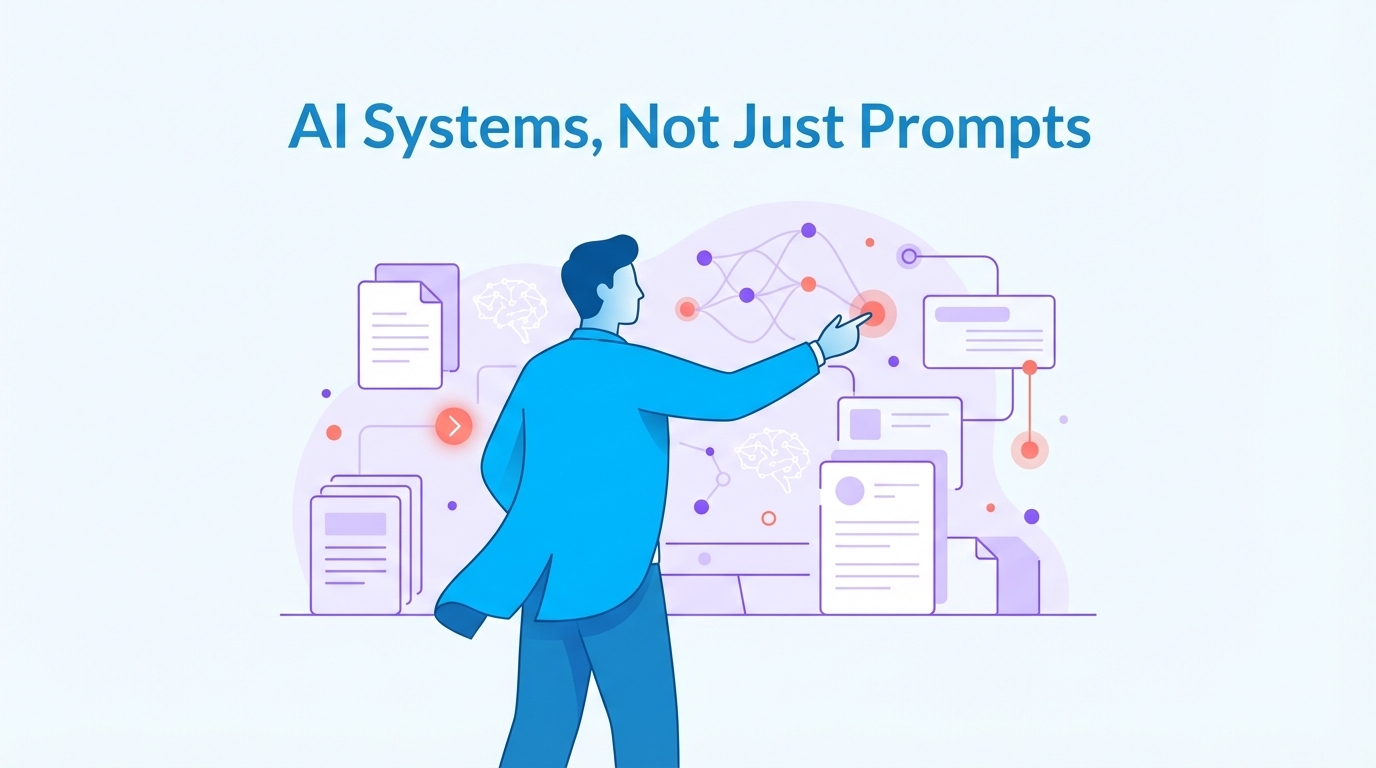
To build true AI systems, you must connect data, tools, and workflows to measurable business outcomes, moving beyond isolated prompts. A successful AI strategy ...
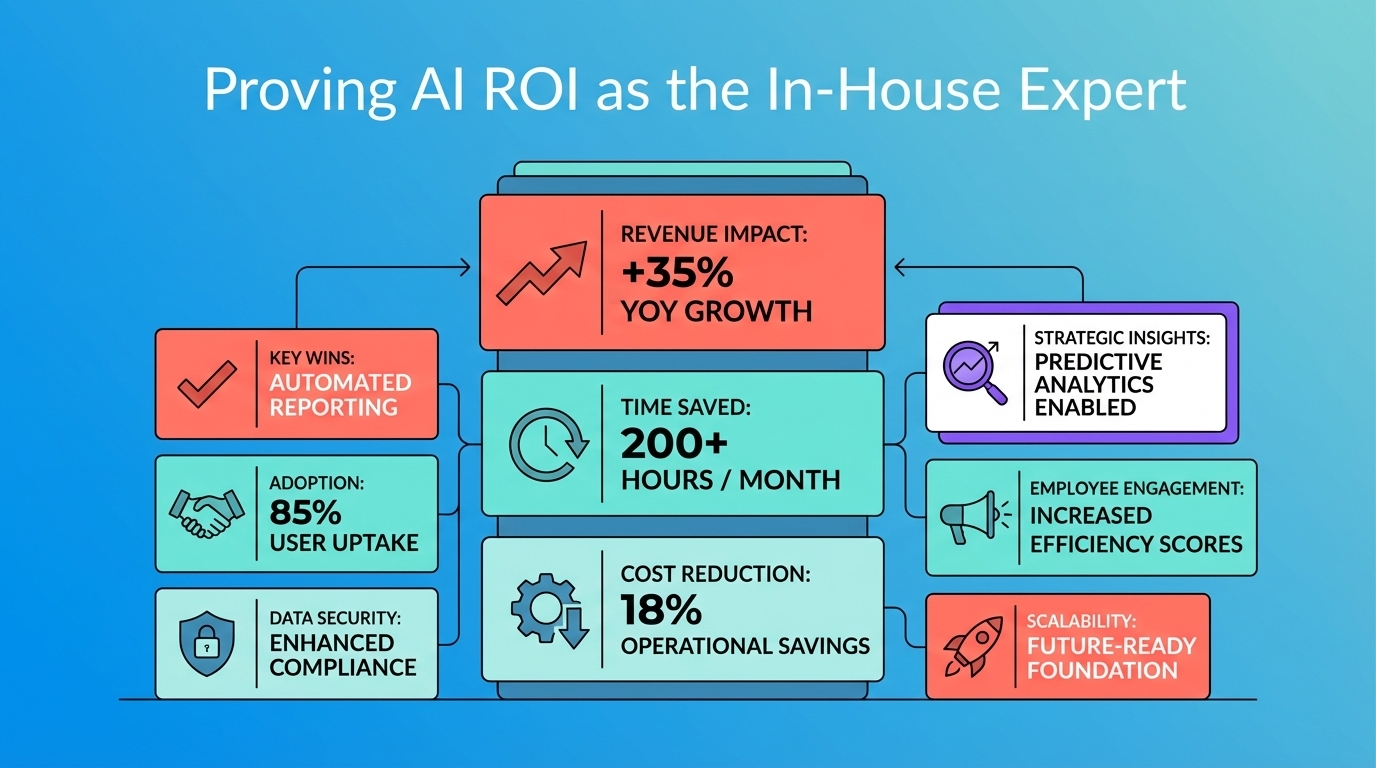
To prove AI ROI, focus on high-impact, low-complexity projects with clear baselines. Document efficiency gains and revenue impact meticulously. This ...
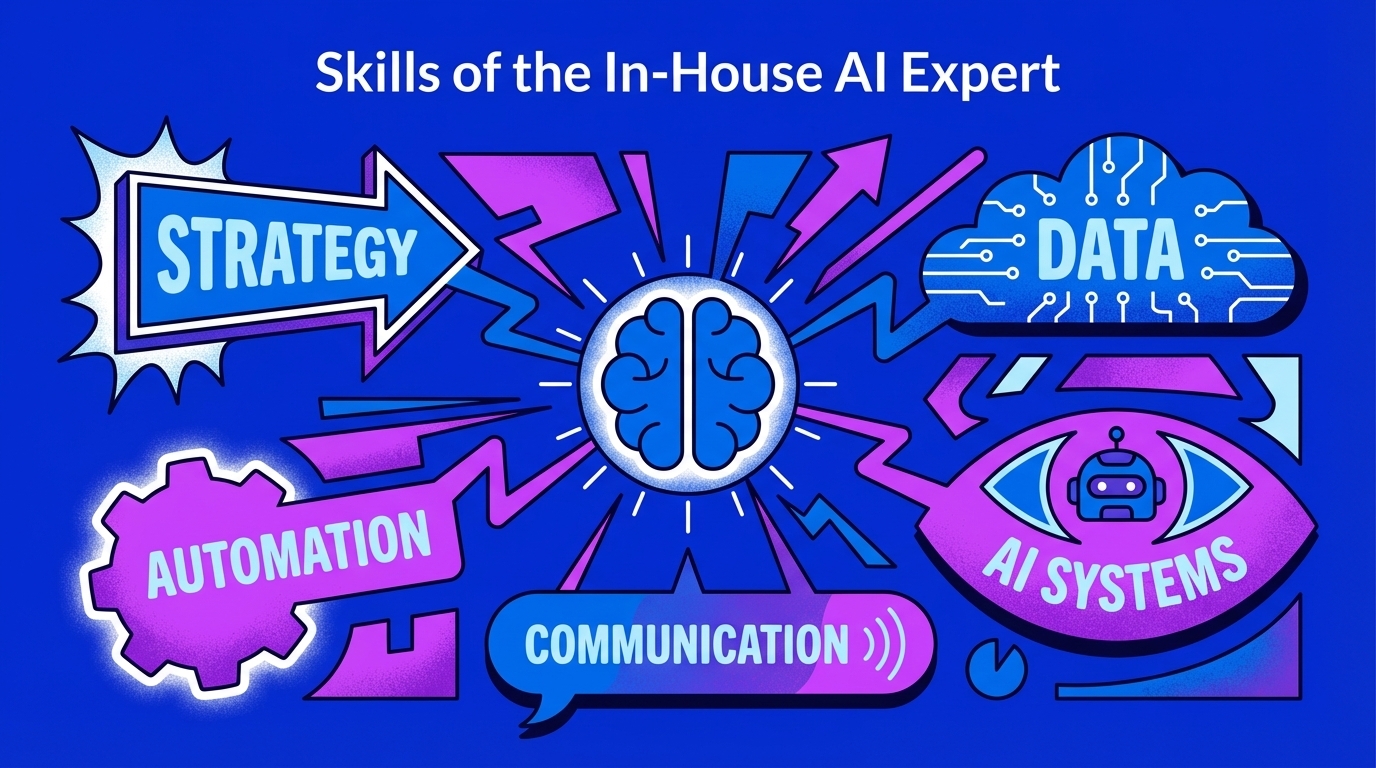
To become your team's in-house AI expert, you must master strategic system design, data fluency, automation leadership, ROI measurement, and change management. ...

Transition from AI hobbyist to strategist by shifting from isolated prompts to integrated systems. Master strategic outcomes, build measurable workflows, and ...
To become the in-house AI expert your company trusts, you must shift from being an AI enthusiast to a business problem-solver. Build credibility by delivering ...
Being the in-house AI expert in marketing means moving beyond prompts to architecting systems. You are responsible for setting AI strategy, establishing ...
To make AI training engaging for creative teams, frame it around real campaign challenges and visual tools. Focus on collaborative "build" sessions that let ...
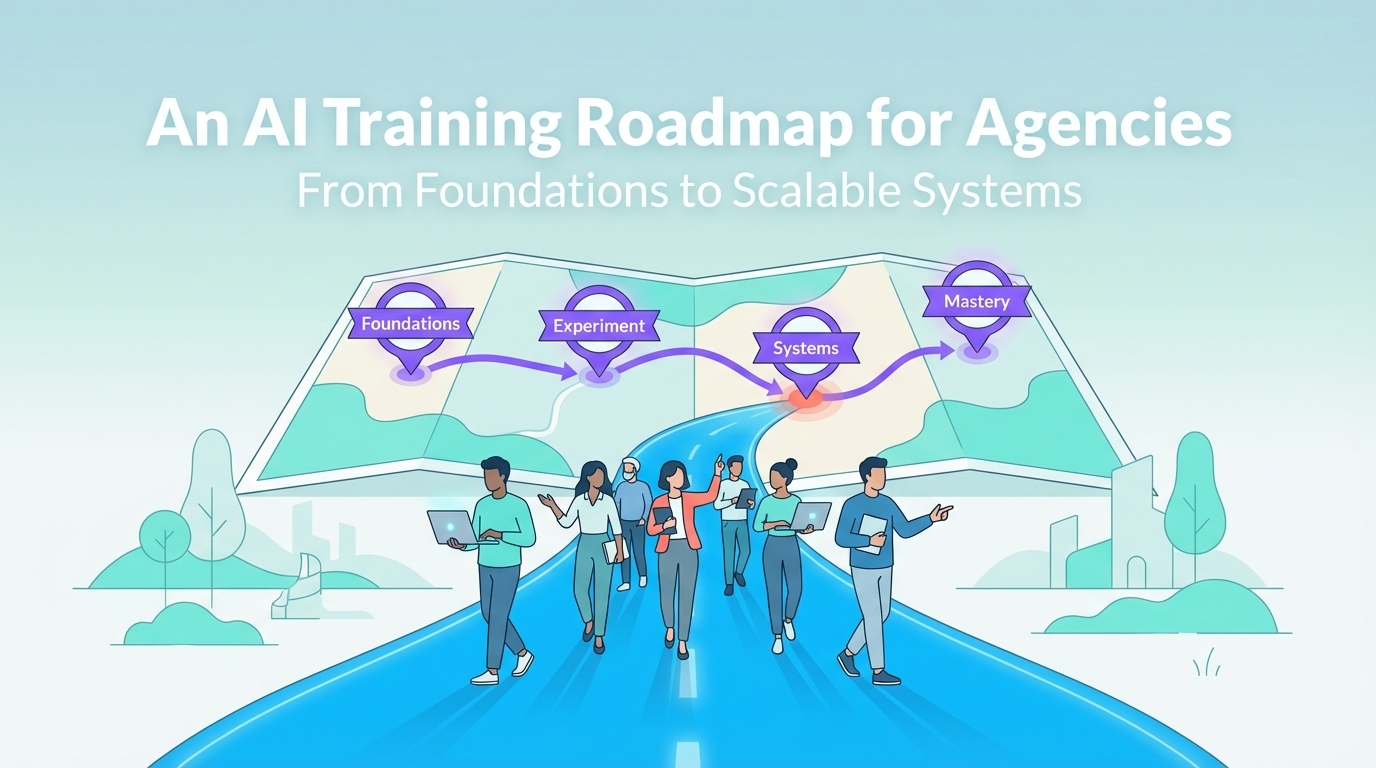
An effective AI training roadmap for a digital agency must include four distinct phases: foundational awareness, guided experimentation, system adoption, and ...
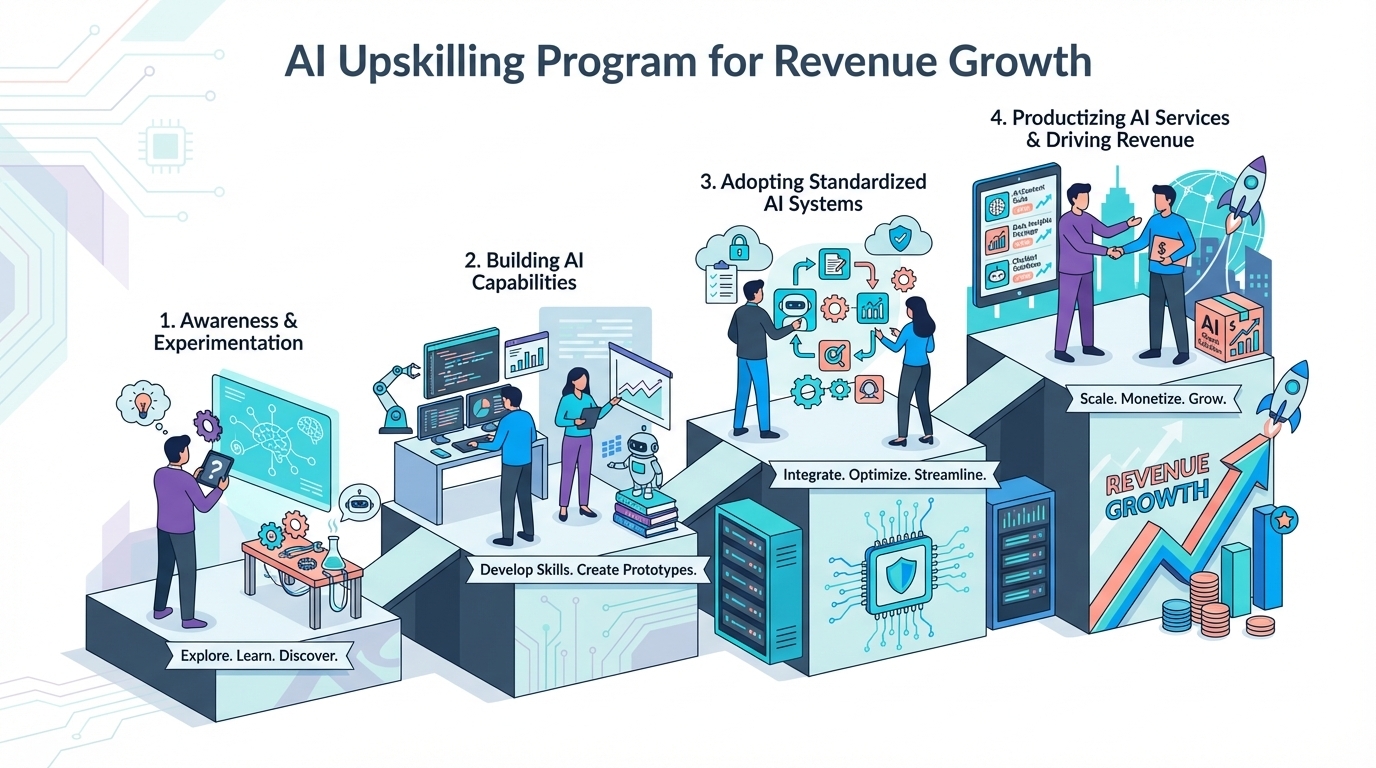
To create a revenue-driving AI upskilling program, agencies must structure it as a four-phase roadmap: Awareness, Experimentation, Adoption, and Mastery. Each ...
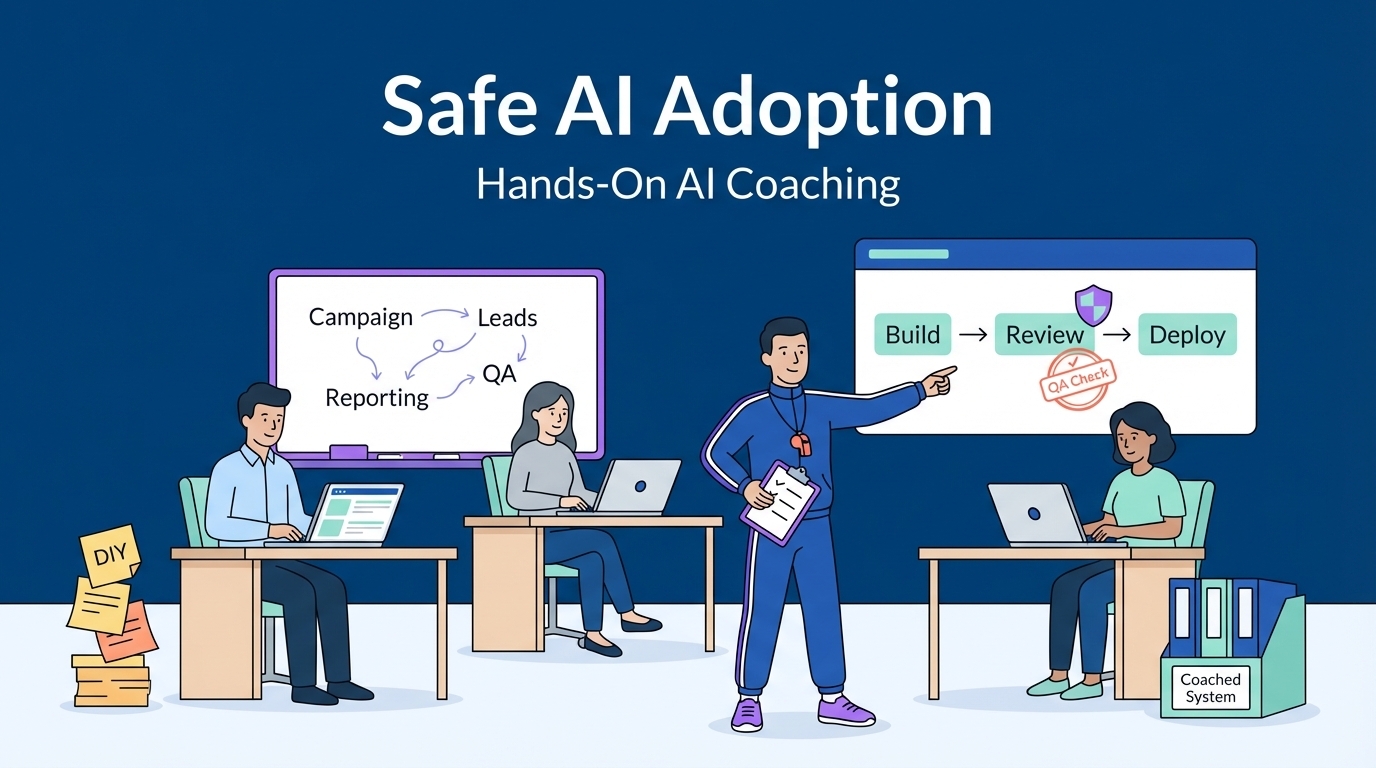
Hands-on AI coaching is the critical bridge between theory and practice. It provides a structured, guided environment that prevents critical misconfigurations, ...
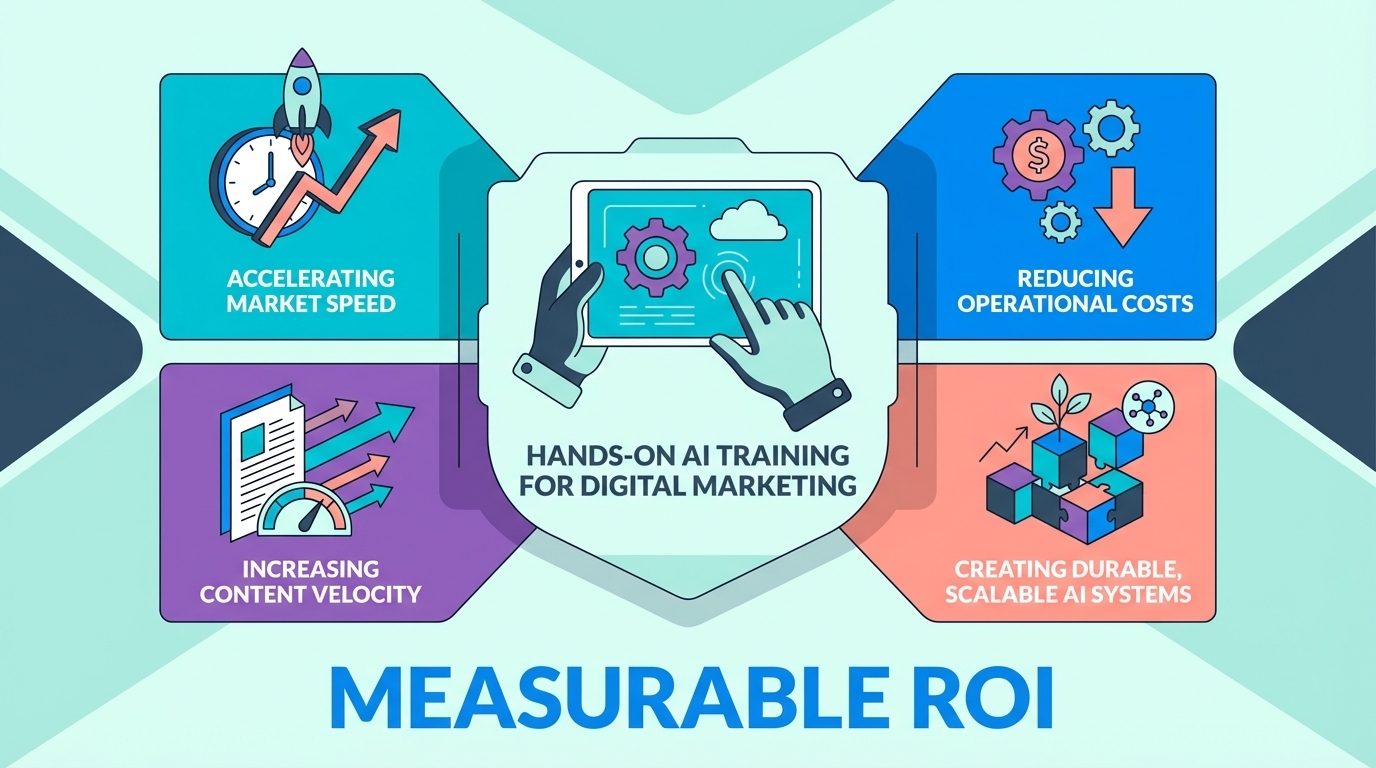
Hands-on AI training delivers immediate ROI by speeding up project delivery, reducing manual labor hours, increasing content output, and equipping teams with ...
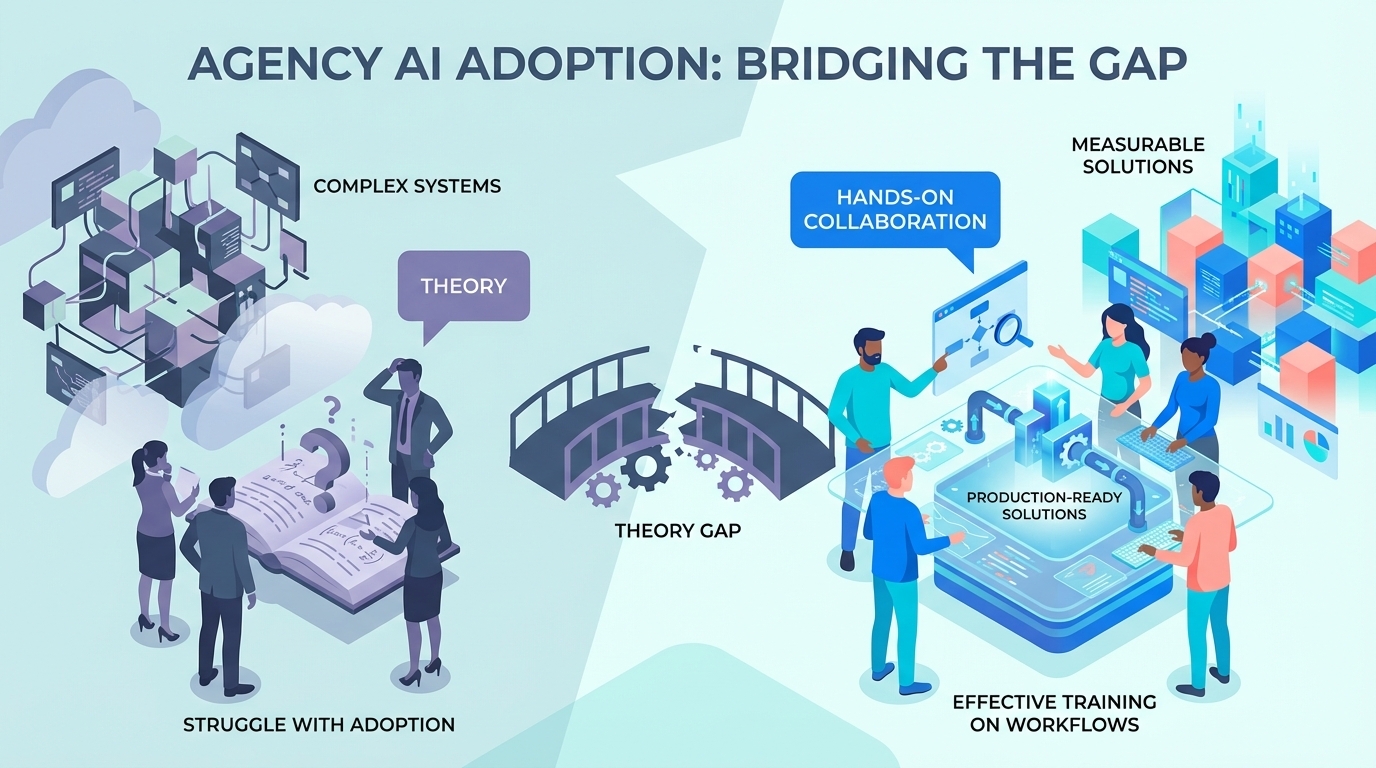
Agencies adopting AI struggle because theoretical knowledge doesn't translate to their messy, real-world tech stacks and client demands. Success requires ...
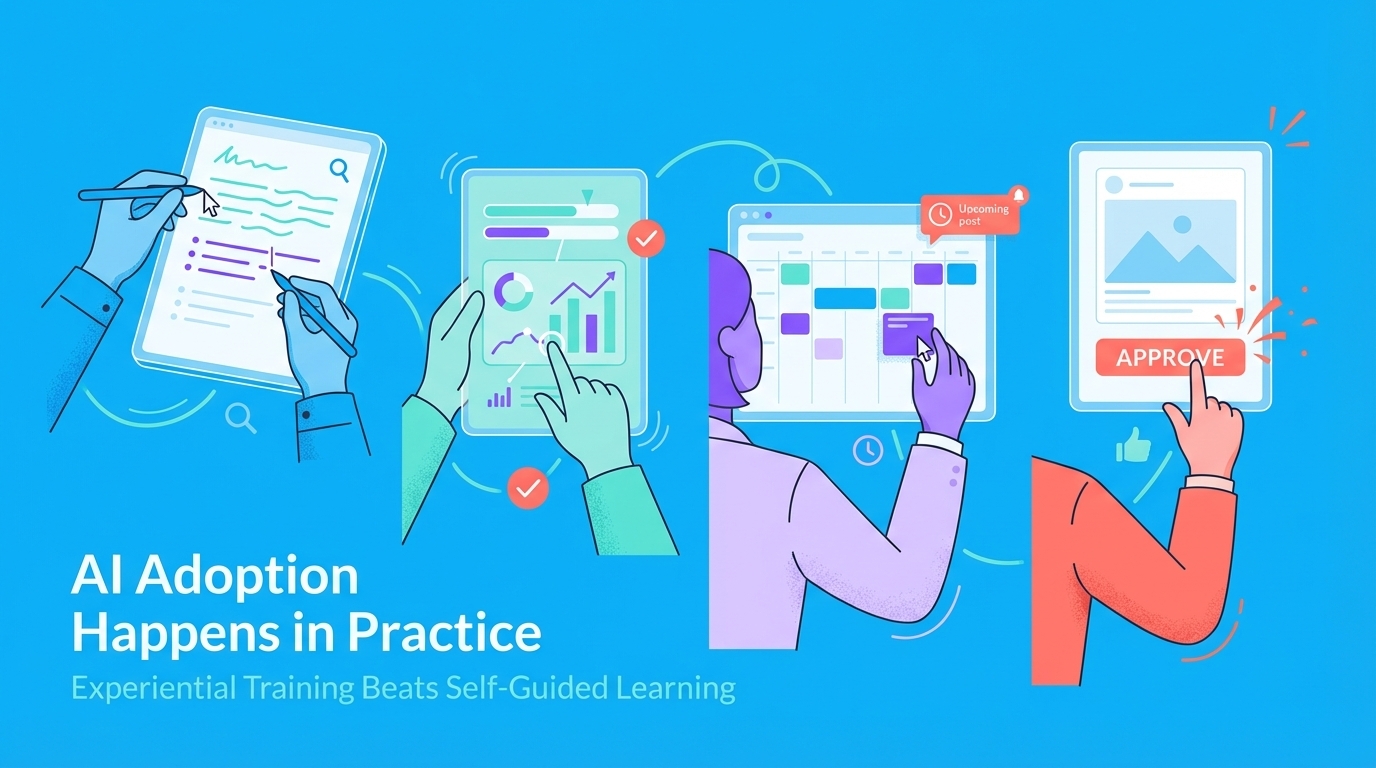
Experiential AI training builds muscle memory, creates shared processes, and delivers immediate, measurable results. This hands-on approach dramatically ...
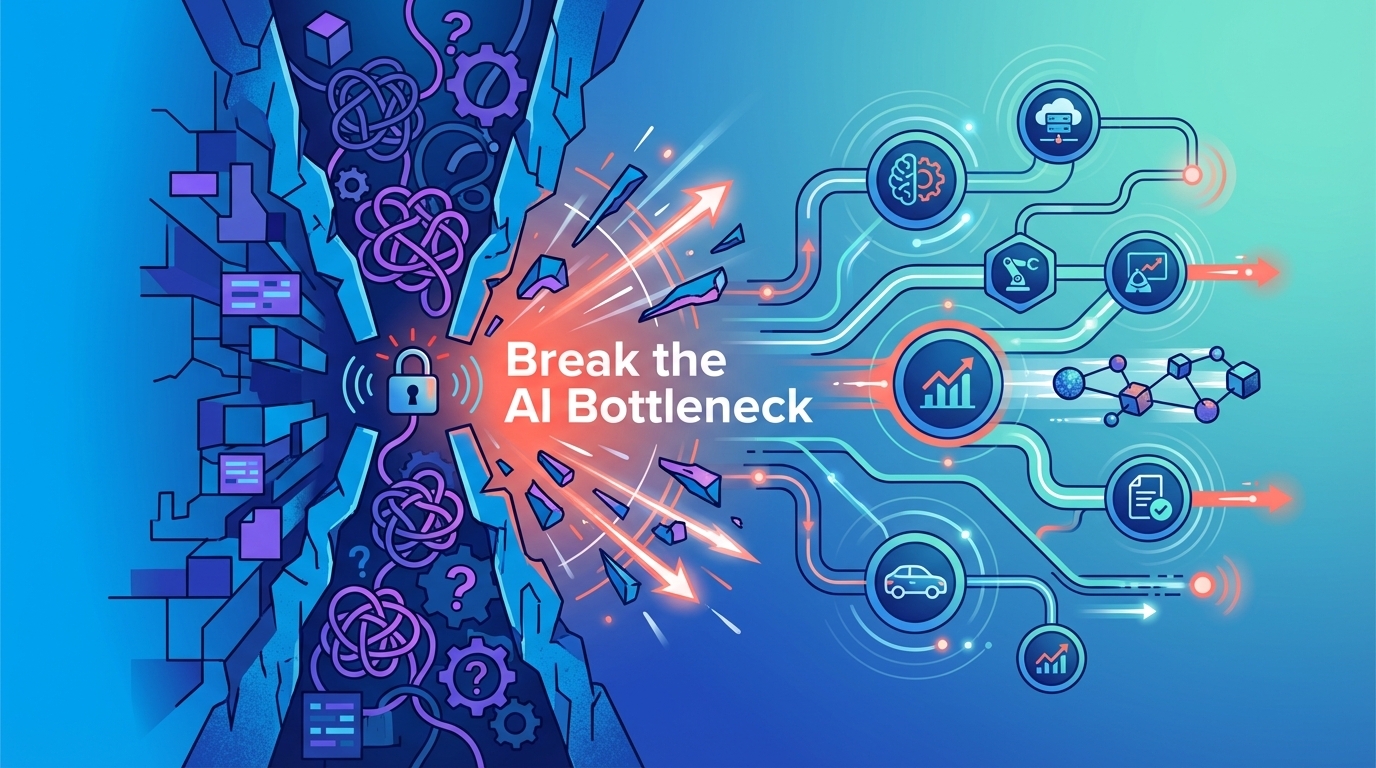
The fastest way for a marketing team to overcome AI implementation bottlenecks is through guided, hands-on training. This approach bypasses the slow, ...
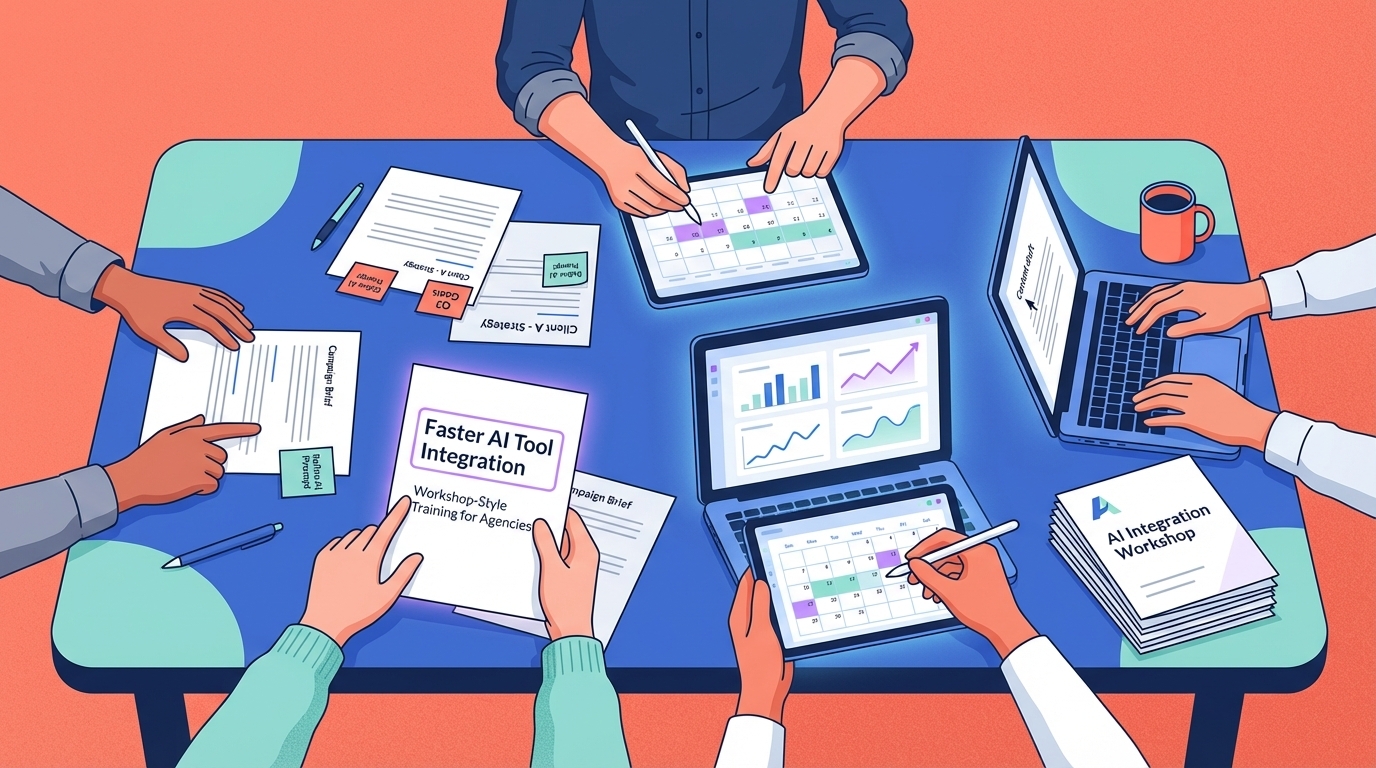
Workshop-style AI training helps agencies integrate tools like ChatGPT and Make.com faster by replacing theoretical learning with hands-on building, as ...
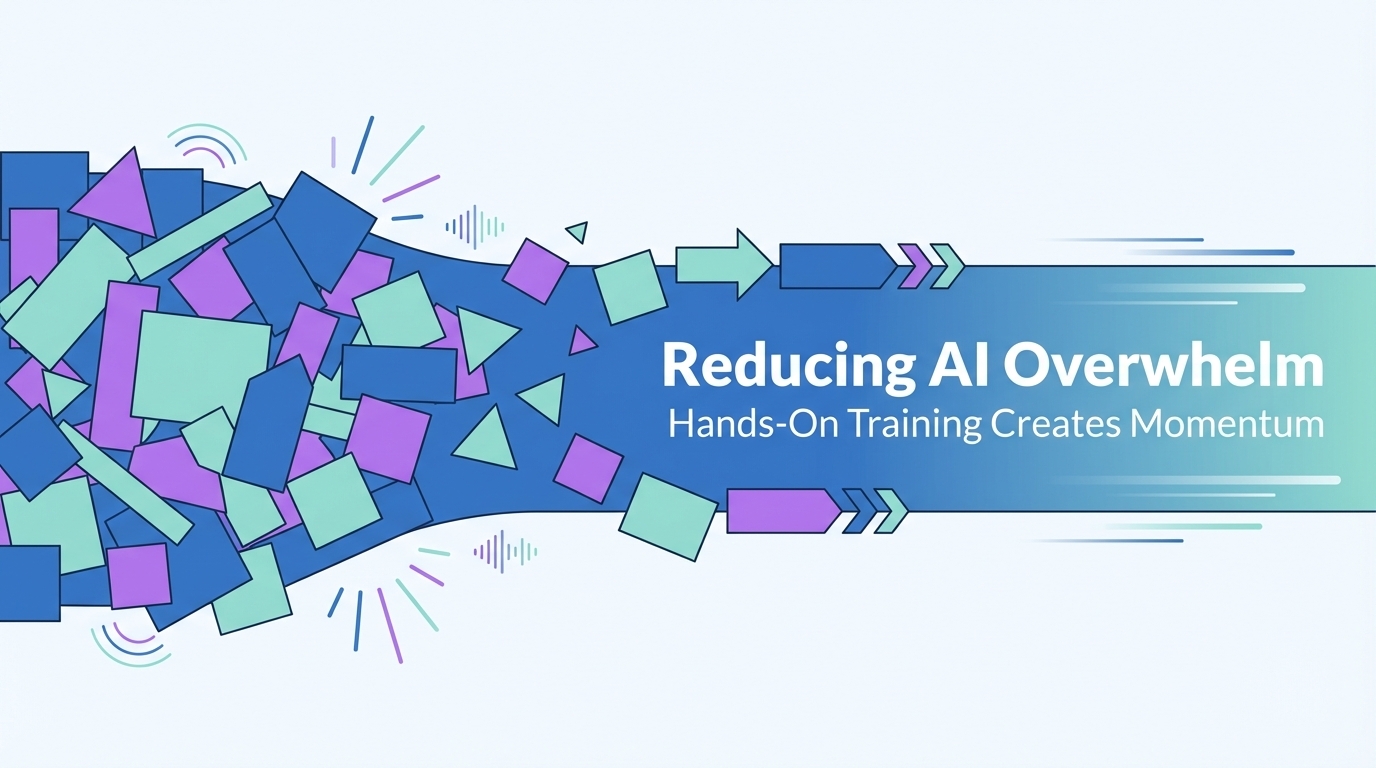
Yes. Hands-on AI training directly reduces the overwhelm marketers feel by replacing abstract theory with practical, repeatable skills. Guided, live sessions ...
Practical, hands-on AI training accelerates adoption by replacing passive theory with active building. Teams learn by implementing real-world automations ...

Hands-on AI training removes implementation barriers by replacing abstract theory with practical, repeatable systems. It solves confusion around tool ...
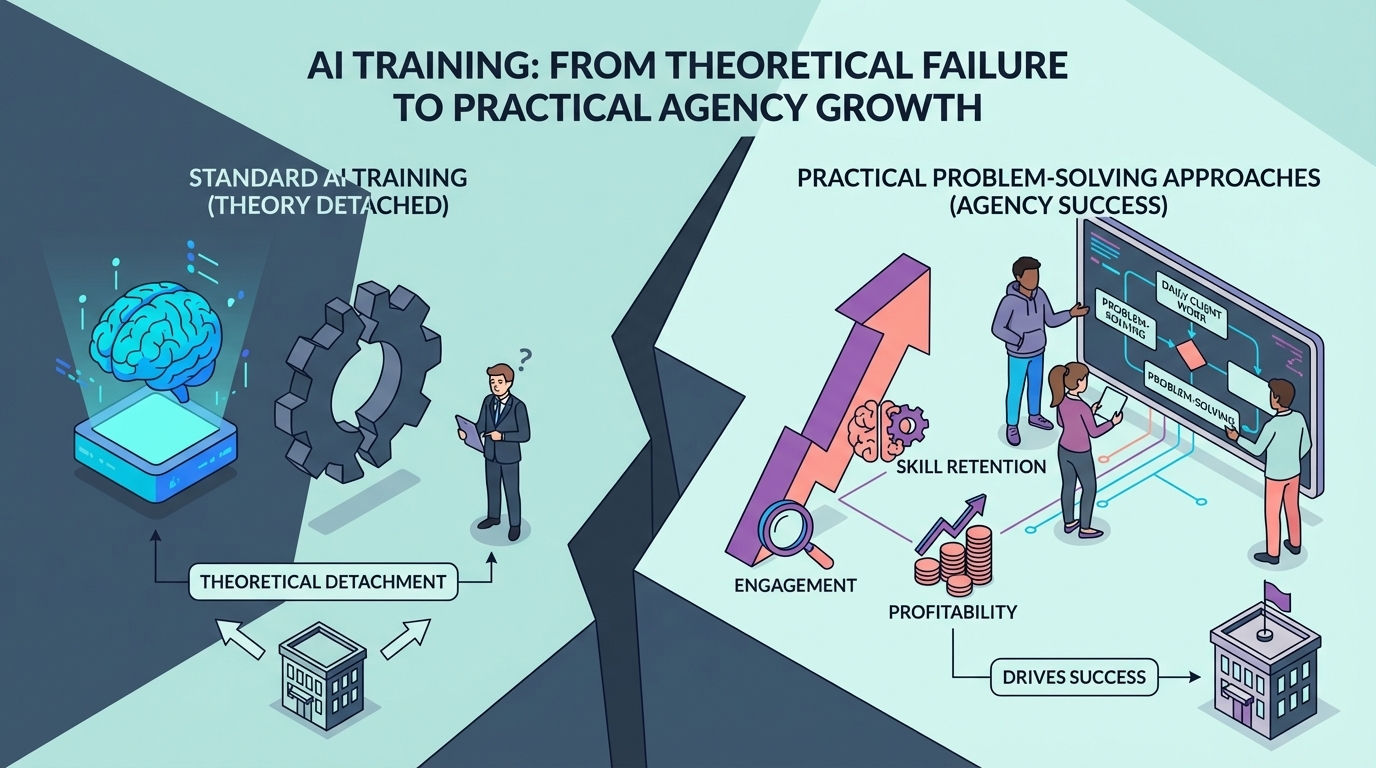
To make AI training engaging for agency teams, shift from passive lectures to active, hands-on workshops centered on real client problems. Prioritize building ...
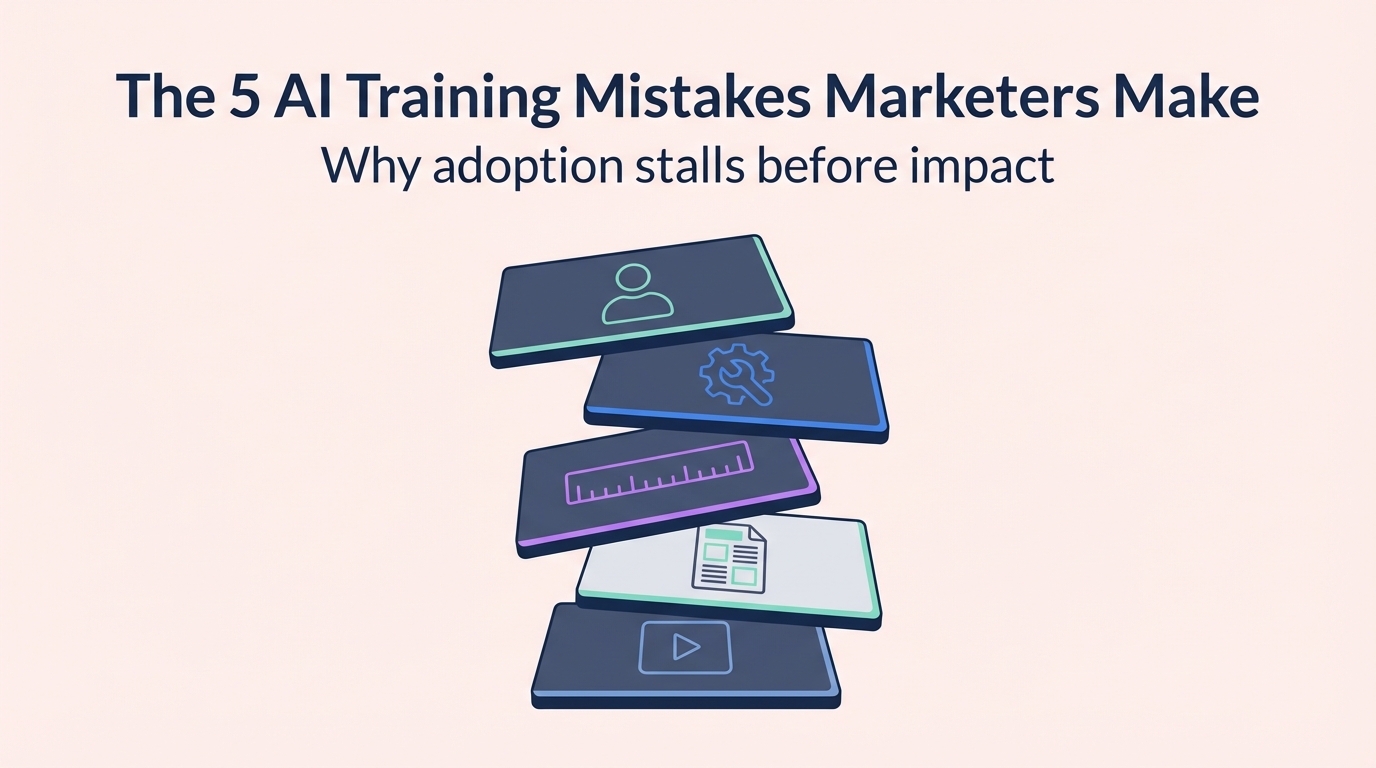
The biggest mistakes in AI training for marketers are choosing passive video courses over hands-on practice, accepting generic content instead of role-specific ...
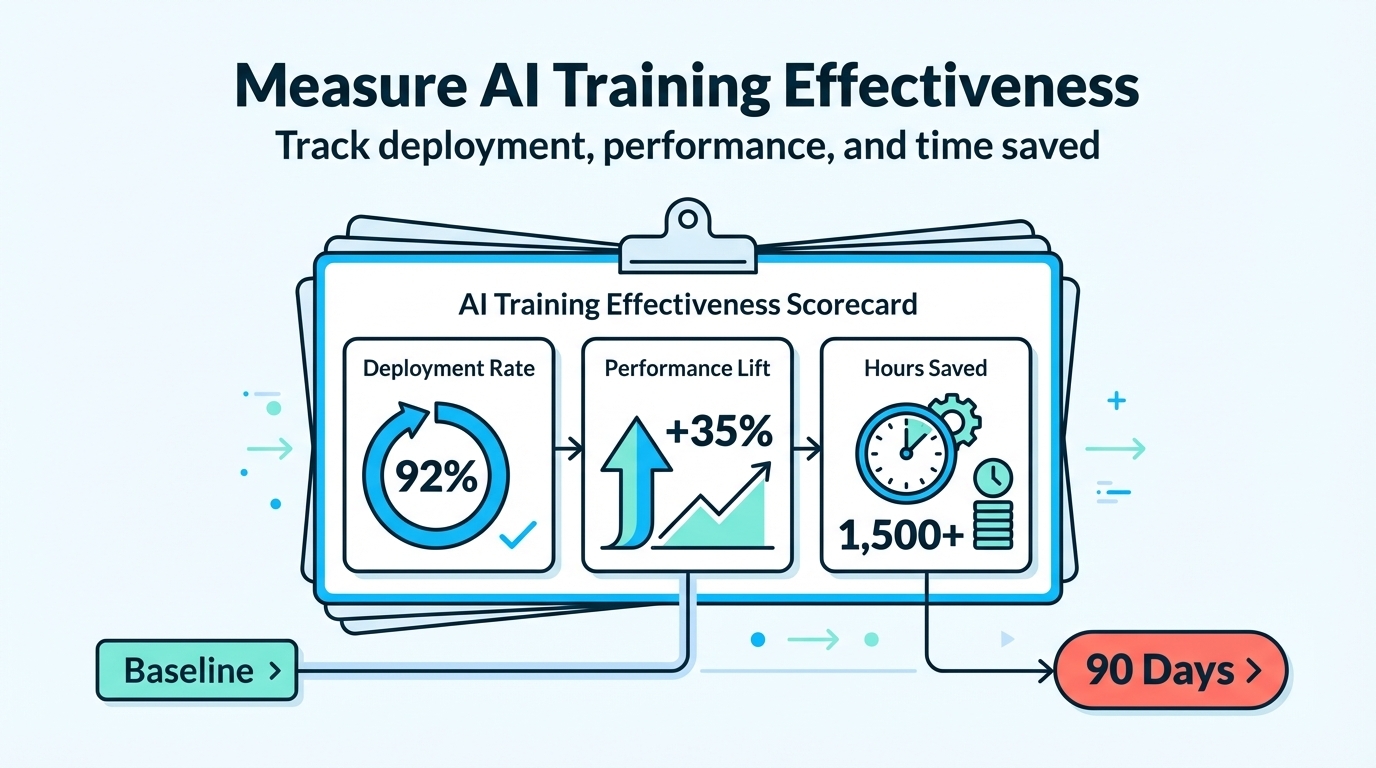
Measure AI training effectiveness by tracking three metrics: skill application rate (are learners deploying what they learned?), campaign performance ...
Skip the reading. Book your audit.
45 minutes with Rick. Tell us the bottleneck, we tell you whether AI is the answer.